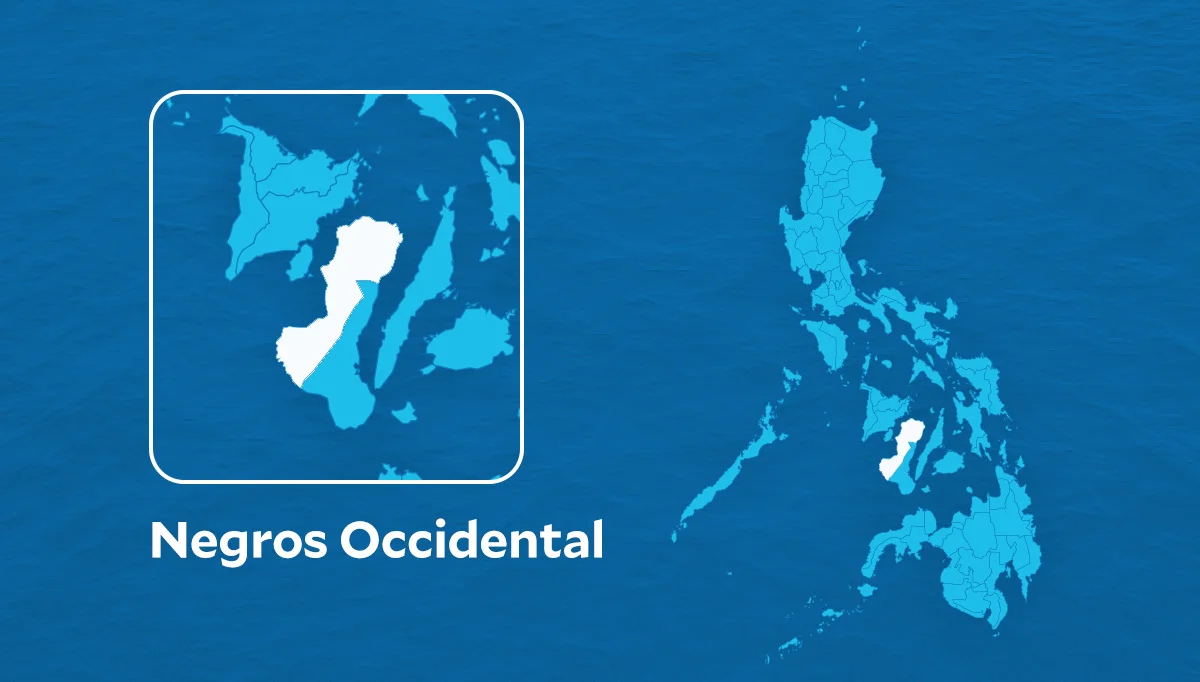
Ang Negros Occidental ay umuusbong bilang isang makapangyarihang pook sa pag-unlad ng renewable energy, na may kahanga-hangang malinis na potensyal ng enerhiya na 14,277.7 megawatts.
Isang opisyal ng Department of Energy (DOE) ang nag-anunsyo nito sa pagbubukas ng Negros Occidental Renewable Energy Expo 2026 noong Mayo 7.
Binanggit ni Ruby de Guzman, Assistant Director ng Renewable Energy Management Bureau ng DOE, na ang lalawigan ay nangunguna sa transisyon ng bansa patungo sa napapanatiling enerhiya.
Iba't Ibang Pinagmumulan ng Enerhiya
Ang masaganang potensyal ng renewable energy ay kinabibilangan ng 12,396 megawatts mula sa hangin, 1,787 megawatts mula sa solar, at 94.7 megawatts mula sa hydropower.
Ang mga numerong ito ay kumakatawan sa mga trabaho para sa mga komunidad, pamumuhunan para sa mga lokal na ekonomiya, mas matatag na seguridad ng enerhiya, at isang mas malinis na hinaharap para sa susunod na henerasyon.
Ruby de Guzman, DOE
Binigyang-diin ni De Guzman na ang lalawigan ay nagpapakita kung paano ang paglago ng ekonomiya ay maaaring umayon sa pangangalaga sa kapaligiran.
Mga Estratehikong Inisyatiba
Pinuri ng DOE ang pagtatatag ng Provincial Energy Development Council ng Negros Occidental, na nagpapadali ng mas mabilis na koordinasyon at nagpapalakas ng kumpiyansa ng mga mamumuhunan.
Tinalakay ni De Guzman, 'Ipinapakita nito ang proaktibong pamumuno at isang malinaw na pangako na gawing nangungunang sentro ang Negros Occidental para sa pag-unlad ng renewable energy sa bansa.'
Sa kasalukuyan, ang renewable energy ay bumubuo ng 25.4 porsyento ng pinagkukunan ng kuryente ng Pilipinas, na may layuning itaas ito sa 35 porsyento pagsapit ng 2030.
Ang Philippine Energy Plan ay naglalarawan ng mga estratehiya upang pahusayin ang renewable energy, kabilang ang pagpapabilis ng pag-unlad at pagsusulong ng mga electric vehicles.
Pakikilahok ng Komunidad
Binanggit din ni De Guzman ang Net-Metering Program, na nagbibigay insentibo sa mga sambahayan at negosyo na magpatupad ng mga solusyon sa renewable energy tulad ng mga rooftop solar systems.
Binigyang-diin niya ang papel ng mga lokal na pamahalaan sa pagpapadali ng mga permit at pagsusulong ng mga inisyatiba sa renewable energy.
Ang pinadali at epektibong mga lokal na proseso ay mahalaga sa pagpapabilis ng deployment ng distributed renewable energy.
Ruby de Guzman, DOE