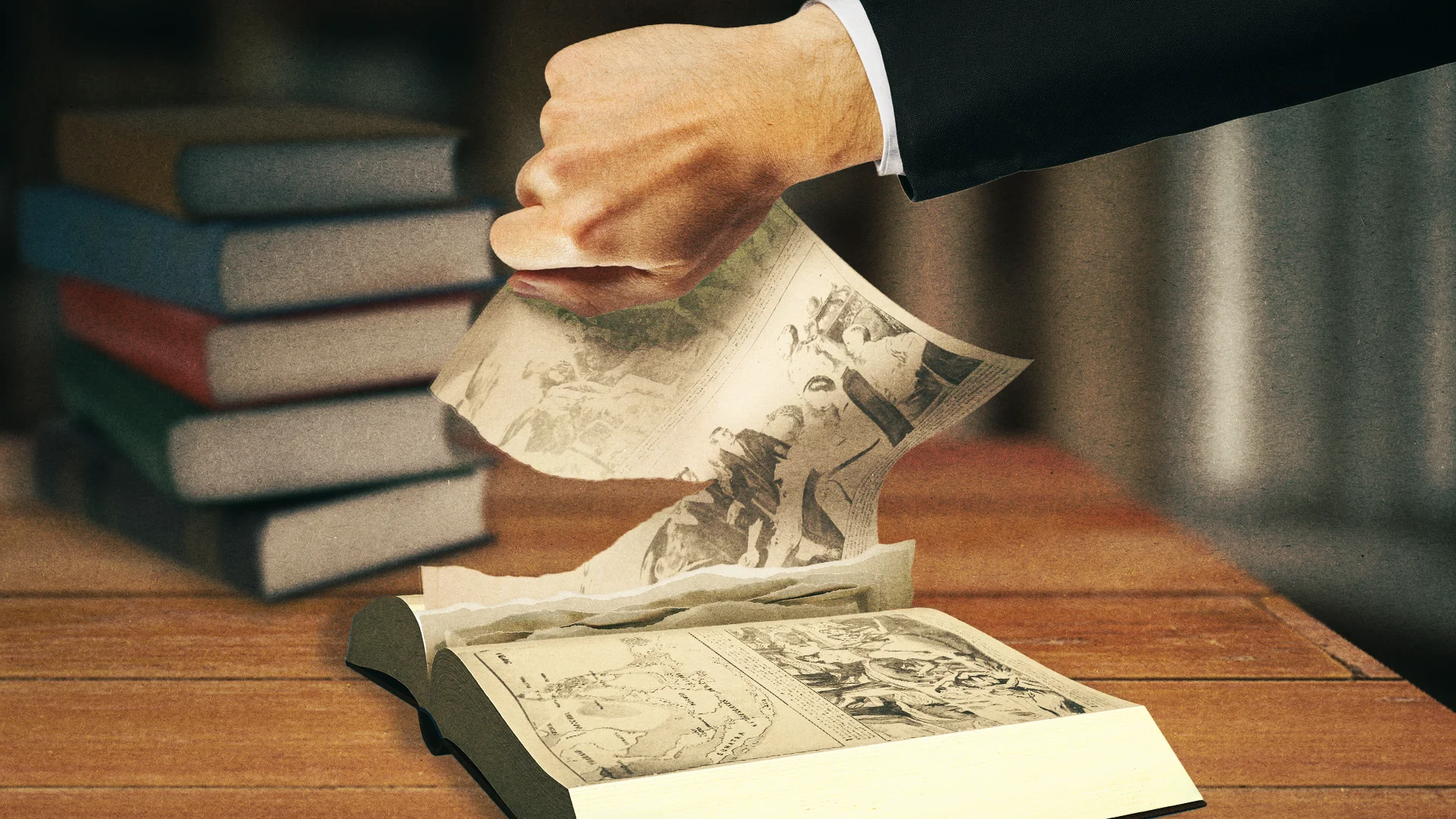
Ang debate ukol sa mga iminungkahing pagbabago sa General Education curriculum sa Pilipinas ay nagdulot ng malaking alalahanin sa mga guro at historyador. Isinasaalang-alang ng Commission on Higher Education (CHED) ang pagbawas sa mga kursong may kaugnayan sa kasaysayan, na kinatatakutan ng marami na maaaring magdulot ng malawakang epekto.
Sa kasaysayan, ang edukasyon sa Pilipinas ay nakaugnay sa mga dinamika ng kapangyarihan, na madalas na sumasalamin sa mga interes ng mga nasa kontrol. Mula pa noong panahon ng kolonyalismong Amerikano, ang mga reporma sa edukasyon ay ginamit upang hubugin ang kamalayan at pagkakakilanlan ng publiko. Ngayon, ang mga implikasyon ng mga pagbabago sa kurikulum ay malalim na umaabot sa lipunan.
Ang mga kabataan na nakikilahok sa mga kwentong kasaysayan ay mas malamang na aktibong makilahok sa buhay sibiko. Karaniwan silang sumusubaybay sa mga pampublikong isyu, bumoboto, at nakikilahok sa mga talakayan tungkol sa pamamahala. Ang kaalaman sa kasaysayan ay nagbibigay-daan sa mga indibidwal na ilugar ang kanilang sarili sa mas malawak na konteksto, na nagpapalakas ng pakiramdam ng panlipunang responsibilidad.
Ang Kahalagahan ng Konteksto ng Kasaysayan
Mahalaga ang pag-unawa sa kasaysayan para sa mga propesyonal sa iba't ibang larangan. Halimbawa, ang mga inhinyero na nagdidisenyo ng mga sistema ng kontrol sa baha ay kailangang isaalang-alang ang mga lokal na makasaysayang pattern ng paggamit ng lupa at pamamahala sa kapaligiran. Ang pagwawalang-bahala sa nakaraan ay maaaring humantong sa pag-uulit ng mga pagkakamali at hindi epektibong solusyon.
Sa urban planning, ang kakulangan ng makasaysayang pananaw ay maaaring magresulta sa mga patakaran na hindi nakatutugon sa mga ugat na sanhi ng mga isyung panlipunan, tulad ng mga impormal na pamayanan sa Metro Manila. Ang mga halimbawang ito ay nagdidiin na ang mga teknikal na kasanayan lamang ay hindi sapat nang walang konteksto na ibinibigay ng kasaysayan.
Ang pagbawas ng nilalaman ng kasaysayan sa edukasyon ay hindi lamang nagpapadali sa kurikulum; ito ay naglalagay sa panganib ng sobrang pagpapasimple ng mga kumplikadong kwento at paglilimita sa mga kasanayan sa kritikal na pag-iisip. Kapag ang kasaysayan ay naisantabi, ang maling impormasyon ay maaaring umusbong, na nagreresulta sa baluktot na pampublikong diskurso.
Mas Malawak na Impluwensya para sa Lipunan
Ang kasalukuyang diskurso sa reporma sa edukasyon ay dapat lumampas sa kahusayan at empleyabilidad. Dapat din nitong isama ang papel ng mga unibersidad sa paglinang ng mga kaalamang mamamayan na maaaring kritikal na suriin ang impormasyon at kilalanin ang mga makasaysayang pattern sa mga kontemporaryong isyu.
Habang ang lipunan ay nagmumuni-muni sa mga prayoridad nito sa edukasyon, mahalagang alalahanin ang mga salita ni George Santayana: 'Ang mga hindi marunong tumingin pabalik sa kanilang pinagmulan ay nakatakdang ulitin ito.' Ang kahalagahan ng kasaysayan sa paghubog ng ating hinaharap ay hindi maaaring maliitin.
“Ang mga hindi marunong tumingin pabalik sa kanilang pinagmulan ay hindi kailanman makararating sa kanilang destinasyon.”
José Rizal
Ang hinaharap ng edukasyong Pilipino ay nakasalalay sa pagtutugma ng teknikal na pagsasanay at kamalayang makasaysayan. Habang nagpapatuloy ang mga talakayan, mataas ang pusta para sa uri ng lipunan na lilitaw mula sa ating mga pagpipilian sa edukasyon.