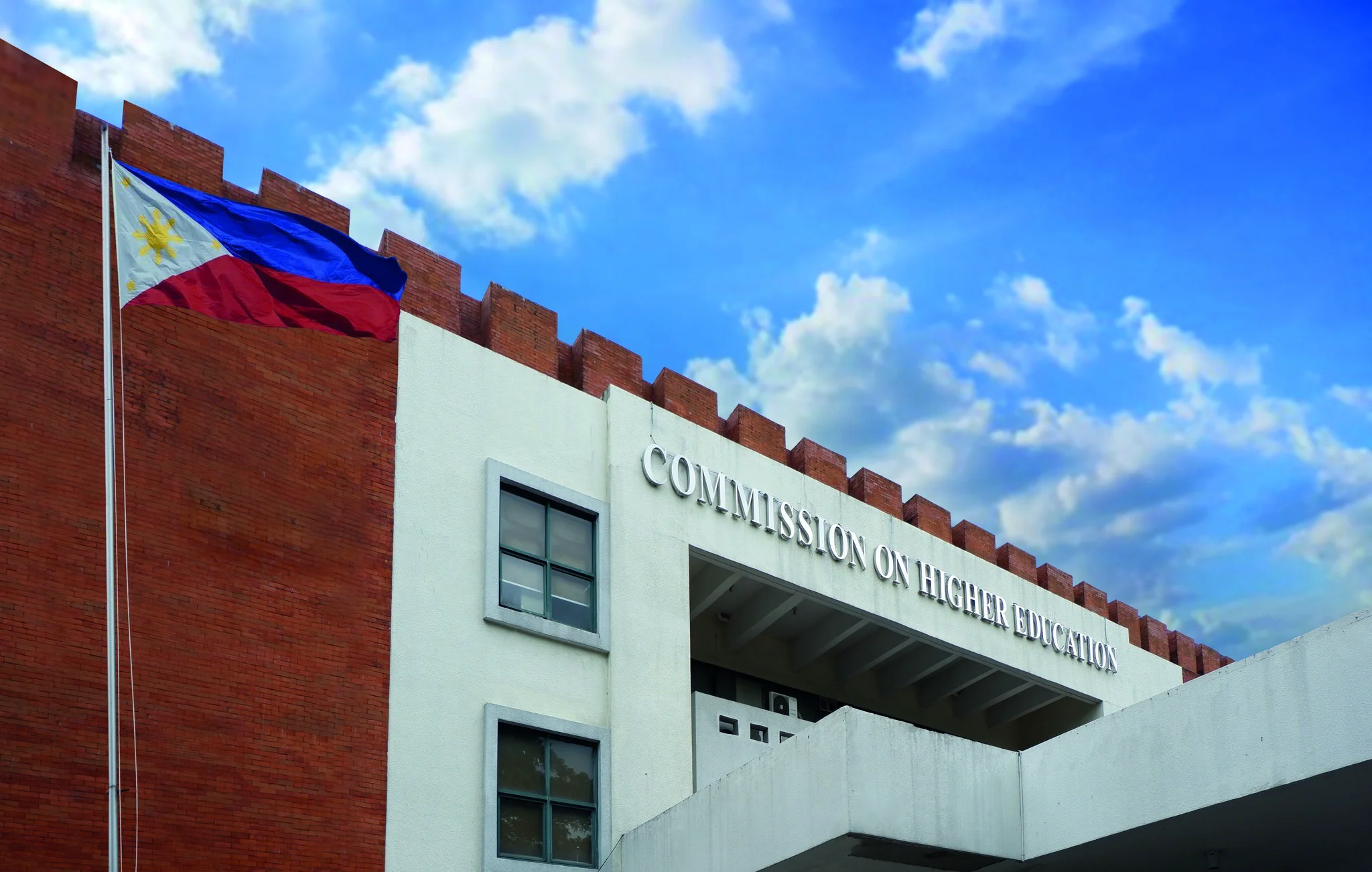
The Commission on Higher Education (CHED) in the Philippines has proposed a controversial plan to reduce general education (GE) units in college from 36 to 18. This plan is set for a pilot test during the 2026-2027 school year.
The move has been met with criticism from educational institutions, teachers, and various stakeholders. The reduction follows a previous cut in 2018, where GE units were decreased from 60.
New Courses Under the Proposed Curriculum
Under the new curriculum, future college students would take six core courses:
1. Professional Communication 2. Global Trends and Emerging Technologies 3. Data, Evidence, and Ethics in a Knowledge-Driven Society 4. Rizal and Philippine Studies 5. Labor Education 6. Institutional Course.
The course on Professional Communication will cover theories and digital literacy, while Global Trends and Emerging Technologies combines existing subjects. The Rizal course remains mandated by law, focusing on the life of the national hero.
Labor Education will introduce students to labor rights and workplace practices, fulfilling another legislative requirement. Critics argue that these topics could be integrated into existing courses.
Notably, Art Appreciation may be removed as it is already included in basic education.
Reasons for Curriculum Change
During a public hearing, CHED officials stated that the Philippines has one of the heaviest GE curricula globally. They asserted that many college students spend over a year on redundant courses that are also taught in senior high school.
We are spending approximately or even more than one academic year just to complete a general education that has already been found out to have repetitive characteristics.
Edizon Fermin, TPGE Chairperson
The proposed changes aim to eliminate redundancy and better align the curriculum with contemporary needs, particularly in digital literacy and sustainability.
Next Steps and Concerns
CHED plans to implement the new curriculum fully by the 2027-2028 school year, following a three-year transition period. However, many educators are concerned about the potential negative impacts on humanities and social sciences, as well as job security for faculty.
The commission is currently reviewing stakeholder feedback to finalize the proposed curriculum.