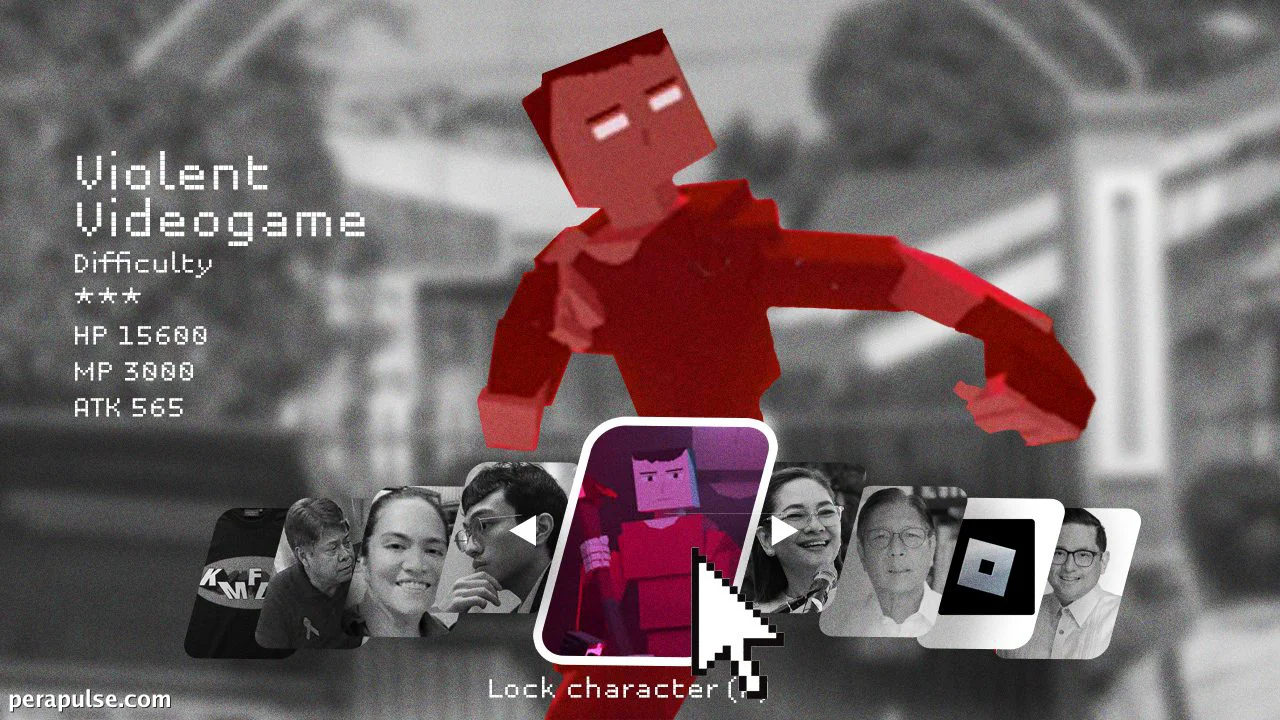
Ang pamamaril sa paaralan sa Tacloban na nag-iwan ng tatlong estudyante na patay at 20 iba pa na nasugatan ay nagpalala ng pagsusuri sa mga marahas na video game sa Pilipinas. Sa gitna ng trahedyang ito, pansamantalang ipinagbawal ng gobyerno ang larong GoreBox, na iniulat na nilalaro ng isa sa mga suspek.
Ang Mas Malawak na Usapan Tungkol sa mga Video Game
Critics argue that isolating video games from their social context overlooks their role in shaping youth culture. Many games function as social networks themselves, where players engage in discussions, share experiences, and build communities.
To single out — or defend — video games in isolation and outside the social networks and incentive structures where they thrive misses the point.
Gelo Gonzales, Journalist
Currently, two minors involved in the Tacloban shooting are under the custody of the social welfare department, facing serious charges. Investigators are examining multiple factors, including the role of video games in their actions.
The incident has prompted discussions about the responsibility of parents and educators in preventing violence. The Philippine National Police had previously warned about online extremism influencing youth, highlighting a concerning trend.
GoreBox, described as a physics-driven sandbox game, has drawn criticism for its graphic violence and was rated R18+ by the International Age Rating Coalition. Despite this, its developer declined to attend a Senate hearing on the matter.
As the government confronts these issues, experts emphasize the need for a collective approach. Parents, law enforcement, and gaming platforms must work together to create safer online environments for children.