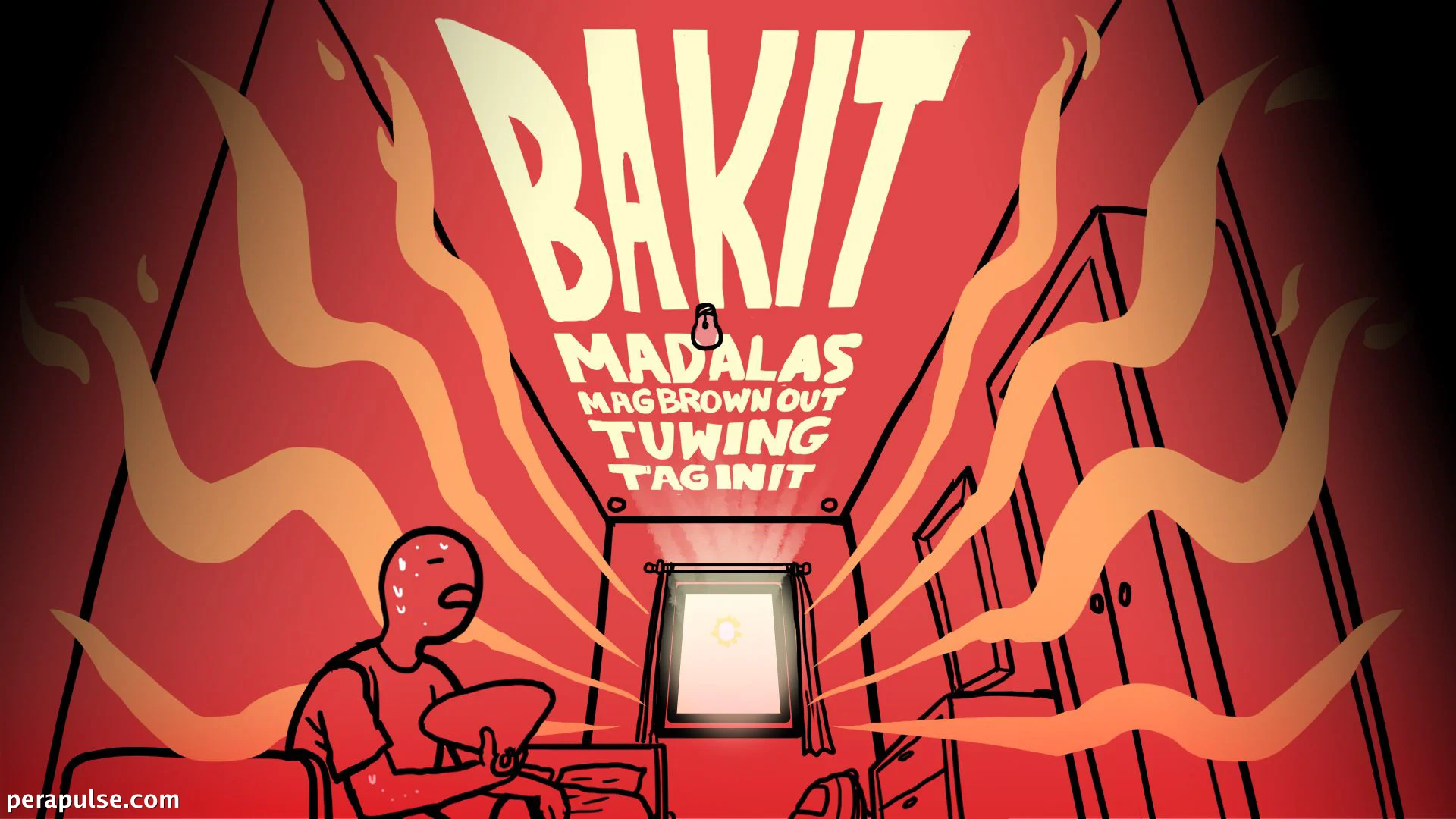
Ang mga brownout sa Pilipinas ay kadalasang umabot sa rurok sa mga buwan ng tag-init, na nagdudulot ng mga alalahanin sa mga residente na umaasa sa air conditioning at mga bentilador. Ang pagtaas ng demand sa enerhiya ay kasabay ng pinakamainit na panahon, na naglalantad ng mga kahinaan sa power grid ng bansa.
Ang Dilemma sa Demand ng Enerhiya
Sa panahon ng tag-init, ang pagkonsumo ng enerhiya ay makabuluhang tumataas habang ang mga sambahayan ay umaasa sa mga kagamitan sa pagpapalamig upang makayanan ang tumataas na temperatura. Ang pagtaas na ito sa demand ay kadalasang nagiging labis para sa umiiral na mga sistema ng suplay ng kuryente.
Ang pangunahing salarin ay nasa operasyon ng mga planta ng coal-fired, na bumubuo sa gulugod ng suplay ng enerhiya ng Pilipinas. Ang mga plantang ito ay nahihirapang matugunan ang biglaang pagtaas sa demand, na nagiging sanhi ng labis na pagkarga sa sistema na nagreresulta sa mga brownout.
Ang kasalukuyang imprastruktura ay hindi nakasabay sa lumalaking pangangailangan ng enerhiya ng populasyon, lalo na sa mga peak season. (cite: Institute for Climate and Sustainable Cities)
- Tumaas na demand sa enerhiya sa mga buwan ng tag-init
- Pag-asa sa mga planta ng coal-fired
- Mga hamon sa modernisasyon at pagpapanatili ng grid
Ang pana-panahong brownout ay nagha-highlight ng isang agarang pangangailangan para sa modernisasyon at pag-diversify ng mga pinagkukunan ng enerhiya. Habang lumalala ang pagbabago ng klima at lumalaki ang mga pangangailangan sa enerhiya, ang gobyerno ng Pilipinas ay nahaharap sa tumataas na presyon na mamuhunan sa renewable energy at pagbutihin ang imprastruktura ng grid.
Sa kasaysayan, ang Pilipinas ay nahirapan sa mga isyu sa suplay ng kuryente, partikular sa panahon ng tag-init. Ang mga nakaraang inisyatiba upang mapabuti ang kapasidad ng enerhiya ay nagbigay ng halo-halong resulta, na nag-iiwan sa marami na nagtataka kung ang bansa ay epektibong makakaangkop sa nagbabagong klima at mga pangangailangan ng populasyon.
Habang umuusad ang tag-init na ito, ang mga residente ay naiwan na nagtataka kung ang mga solusyon ay lilitaw sa tamang oras upang maiwasan ang karagdagang pagkaabala sa kanilang pang-araw-araw na buhay.