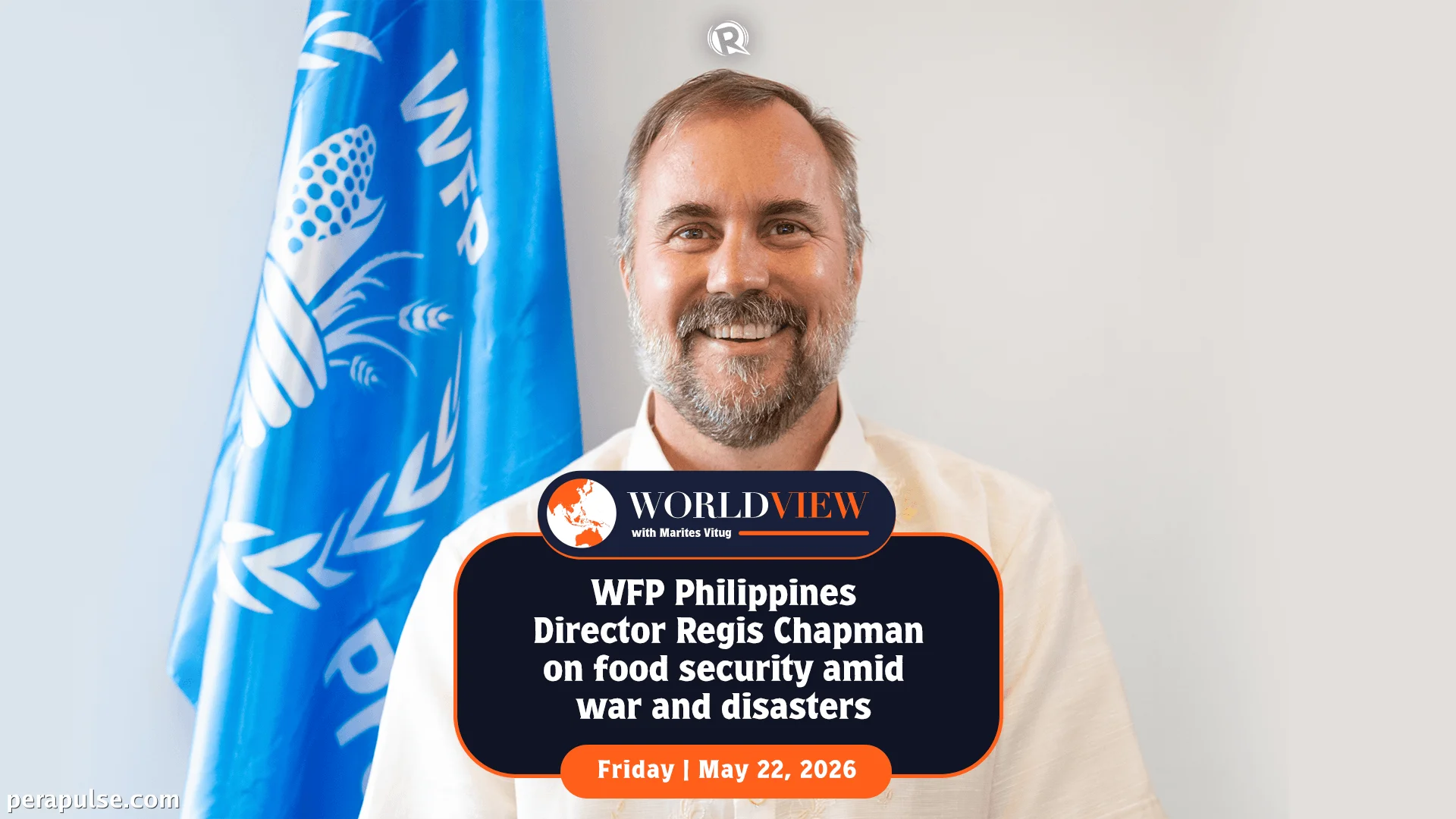
Ang Pilipinas ay nahaharap sa isang makabuluhang krisis sa seguridad ng pagkain, na pinalalala ng patuloy na mga kontrahan sa Gitnang Silangan at ang nalalapit na epekto ng El Niño. Nagbabala si Regis Chapman, ang kinatawan ng World Food Programme (WFP) sa Pilipinas, na ang mga salik na ito ay nagbabanta sa mahinang kadena ng suplay ng pagkain sa bansa.
Bilang isang net food importer, labis na umaasa ang Pilipinas sa mga panlabas na mapagkukunan para sa suplay ng pagkain nito. Ang mga pagka-abala sa pandaigdigang mga kadena ng suplay dahil sa mga internasyonal na kontrahan ay lalong nagpapahirap sa kakayahan ng bansa na makakuha ng mga mahahalagang kalakal.
Ang Nalalapit na Krisis sa Klima ay Nagpapalala sa mga Umiiral na Hamon
Bilang karagdagan sa mga isyung heopolitikal, ang Pilipinas ay naghahanda para sa isang malubhang El Niño, na inaasahang magkakaroon ng makabuluhang epekto sa lokal na produksyon ng agrikultura. Ang mga magsasaka ay nakakaranas na ng mga hindi kanais-nais na pattern ng panahon, na nagreresulta sa mas mababang ani at pagtaas ng presyo ng pagkain.
Laging bulnerable ang Pilipinas pagdating sa seguridad ng pagkain, at ang sitwasyon ay nagiging mas kritikal dahil sa iba't ibang pandaigdigang kaganapan at pagbabago ng klima. - Regis Chapman, WFP Philippines Chief
Regis Chapman, WFP Philippines Chief
- Ang Pilipinas ay isang net food importer, na nagdaragdag ng pag-asa sa mga pandaigdigang merkado.
- Inaasahang magkakaroon ng makabuluhang epekto ang El Niño sa mga ani at presyo ng agrikultura.
Aktibong nakikipagtulungan ang WFP sa gobyerno ng Pilipinas upang tugunan ang mga hamong ito. Ang pangangailangan ng sitwasyon ay humihingi ng komprehensibong mga estratehiya na hindi lamang tumutugon sa agarang kakulangan ng pagkain kundi pati na rin sa pagpapalakas ng mga mekanismo ng pangmatagalang seguridad ng pagkain.
Sa kasaysayan, ang Pilipinas ay naharap sa mga hamon sa seguridad ng pagkain, partikular sa mga panahon ng mga natural na sakuna at kawalang-tatag sa ekonomiya. Ang kasalukuyang pagsasama-sama ng mga pandaigdigang isyu ay maaaring magdulot ng muling pag-uulit ng mga nakaraang krisis maliban kung ang mga proaktibong hakbang ay ipinatupad.
Ang patuloy na pag-aaral ng WFP ay naglalayong tukuyin ang mga kritikal na kahinaan sa kadena ng suplay ng pagkain, na nagpapadali sa mga nakatutok na tugon upang mapagaan ang mga panganib na dulot ng mga internasyonal na kaganapang ito.