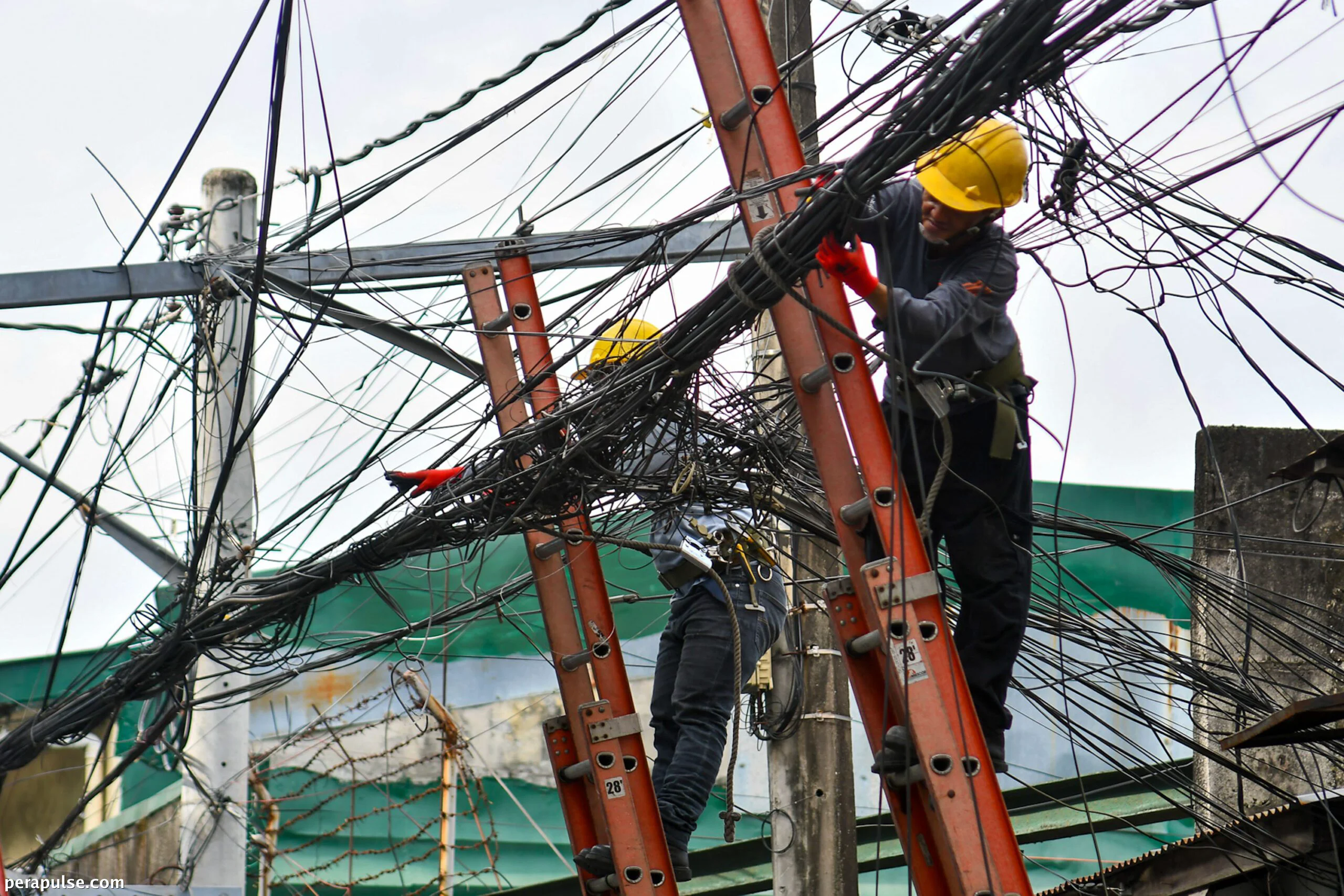
In the Philippines, system loss accounts for approximately 5% of the average Meralco electricity bill. This charge represents the difference between the electricity supplied to the grid and what is actually billed to customers.
What Constitutes System Loss?
System loss encompasses both technical losses—such as energy lost due to resistance in electrical wires—and non-technical losses, which include electricity theft and metering errors. The latter can be mitigated through improved infrastructure and operational practices.
‘System loss is not the fault of consumers,’ said President Ferdinand Marcos Jr. during his State of the Nation Address, calling for immediate amendments to current laws regarding this charge.
Ferdinand Marcos Jr., President of the Philippines
- System loss constitutes around 5% of a typical Meralco bill.
- Technical losses are largely due to unavoidable physical properties of electricity.
- Non-technical losses can be addressed with better metering and enforcement against illegal connections.
Historically, the Electric Power Industry Reform Act (EPIRA) allows utilities to recover system losses from customers. However, recent calls from lawmakers and the Department of Energy emphasize the need to revise this framework, arguing that consumers should not be responsible for avoidable losses.
The proposed changes would not only eliminate charges related to system loss from consumer bills but also address the value-added tax (VAT) on these charges. This initiative aims to protect consumers while maintaining a stable energy market that can attract necessary investments.
The Path Forward
For the proposed reforms to take effect, Congress must amend EPIRA, which has remained largely unchanged for over two decades. This would involve determining the specifics of which losses would be excluded from consumer charges and who would absorb the remaining costs.
As discussions continue, the focus remains on balancing consumer protection with the financial viability of the electricity sector, an essential service impacting millions of Filipinos.