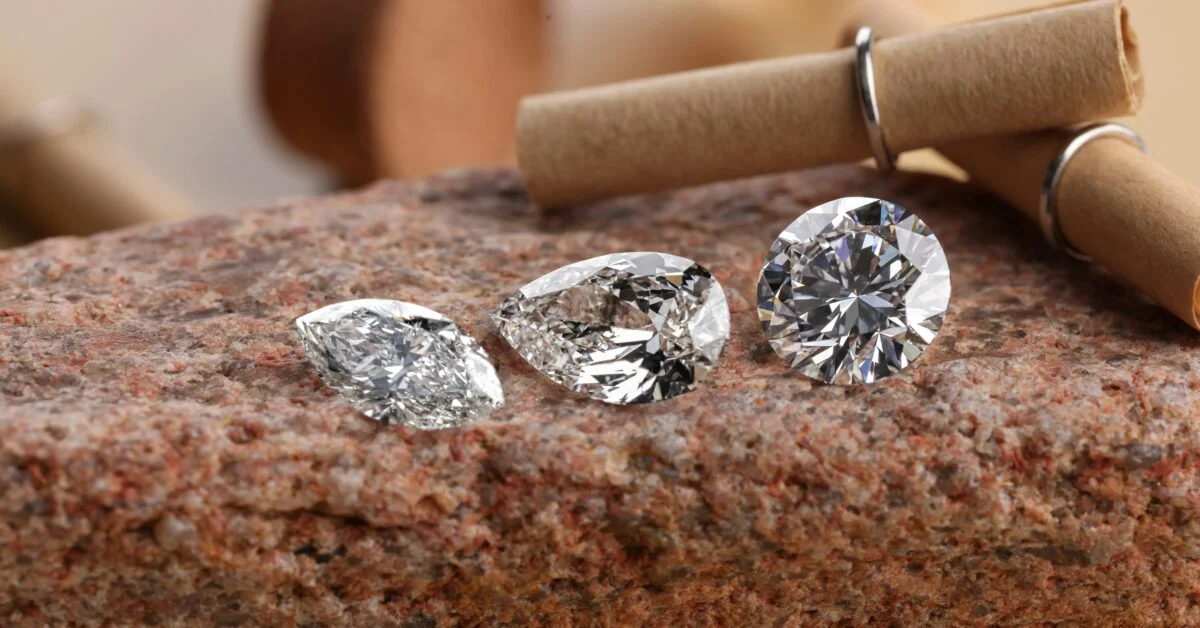
The luxury jewelry market is undergoing a significant transformation as lab-grown diamonds become increasingly popular. These artificial gems are challenging traditional beliefs about value and desirability.
Once seen as symbols of love and status, diamonds are now facing scrutiny as consumers question their authenticity and worth.
The Illusion of Scarcity
Historically, the diamond industry thrived on the concept of rarity, heavily marketed by companies like DeBeers. Their campaigns, including the famous slogan 'a diamond is forever,' created an illusion that shaped consumer expectations.
DeBeers controlled the supply chain, regulating the release of rough diamonds to maintain high prices. However, the rise of lab-grown diamonds has disrupted this model.
What happens to a diamond’s desirability when it can be easily manufactured in a lab?
CC Media
Lab-grown diamonds can be produced in significant quantities, leading consumers to question the meaning of forever when scarcity is no longer a factor.
Ethics and Value in the Jewelry Market
The ethical implications of diamond sourcing have also come to the forefront. Lab-grown diamonds eliminate concerns about child labor and conflict diamonds, prompting consumers to reevaluate their purchasing decisions.
As these alternatives gain acceptance, the traditional diamond's allure may diminish, especially when lab-grown options are available at a fraction of the cost.
Does a diamond engagement ring still carry the same meaning when you can get a stone for a fraction of the price?
CC Media
Despite my previous experience in luxury jewelry, I find myself ambivalent towards the industry. While jewelry holds sentimental value, lab-grown diamonds lack the stories that traditional gems possess.
The Future of Diamonds
The diamond market is at a crossroads. As consumers become more informed, the industry's future will depend on its ability to adapt to changing perceptions of value and ethics.
The question remains: can the diamond retain its status as a timeless symbol of love, or is it destined to become just another commodity?