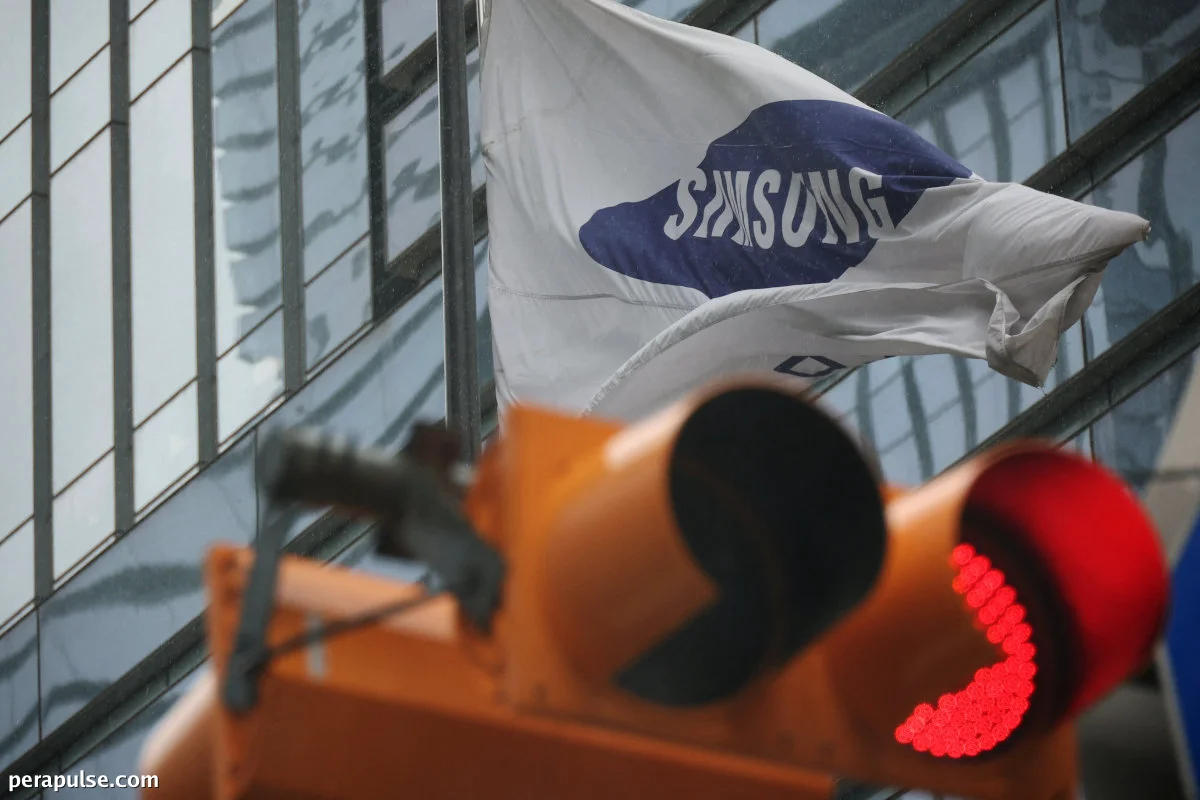
Samsung Electronics is set to experience a significant strike involving 48,000 workers beginning on May 21, following the breakdown of negotiations concerning bonus payments. This looming industrial action threatens both the South Korean economy and the global semiconductor supply.
Sticking Points in Negotiations
We express deep regret and feel disappointed but the union plans to go ahead with the strike according to the law.
Choi Seung-ho, Union Leader
Union leader Choi Seung-ho stated that the strike would proceed after management failed to agree on key issues, despite the involvement of government mediators. He reiterated the union's acceptance of a previous proposal, expressing disappointment over the management's stance.
In response, Samsung Electronics characterized the union's demands as excessive, arguing that agreeing to them would harm the company's management principles. The company reported a nearly 3% decline in stock prices following the strike announcement.
The South Korean government has indicated a willingness to intervene through emergency arbitration, a rare measure that could pause the strike for 30 days while negotiations are reinitiated. However, officials noted that discussions could still take place without immediate arbitration.
Samsung is pivotal to South Korea's economy, accounting for nearly 25% of the nation's exports and being the largest global producer of memory chips. Any disruption in production could exacerbate existing shortages in the semiconductor market, particularly during a period of heightened demand driven by the AI sector. This situation has led to growing concerns, prompting some analysts to note that Samsung's stock might react positively to potential resolutions, similar to past instances where negotiations were mediated. A recent report titled
Samsung Shares Surge 5% Following Government Mediation in Union Negotiations