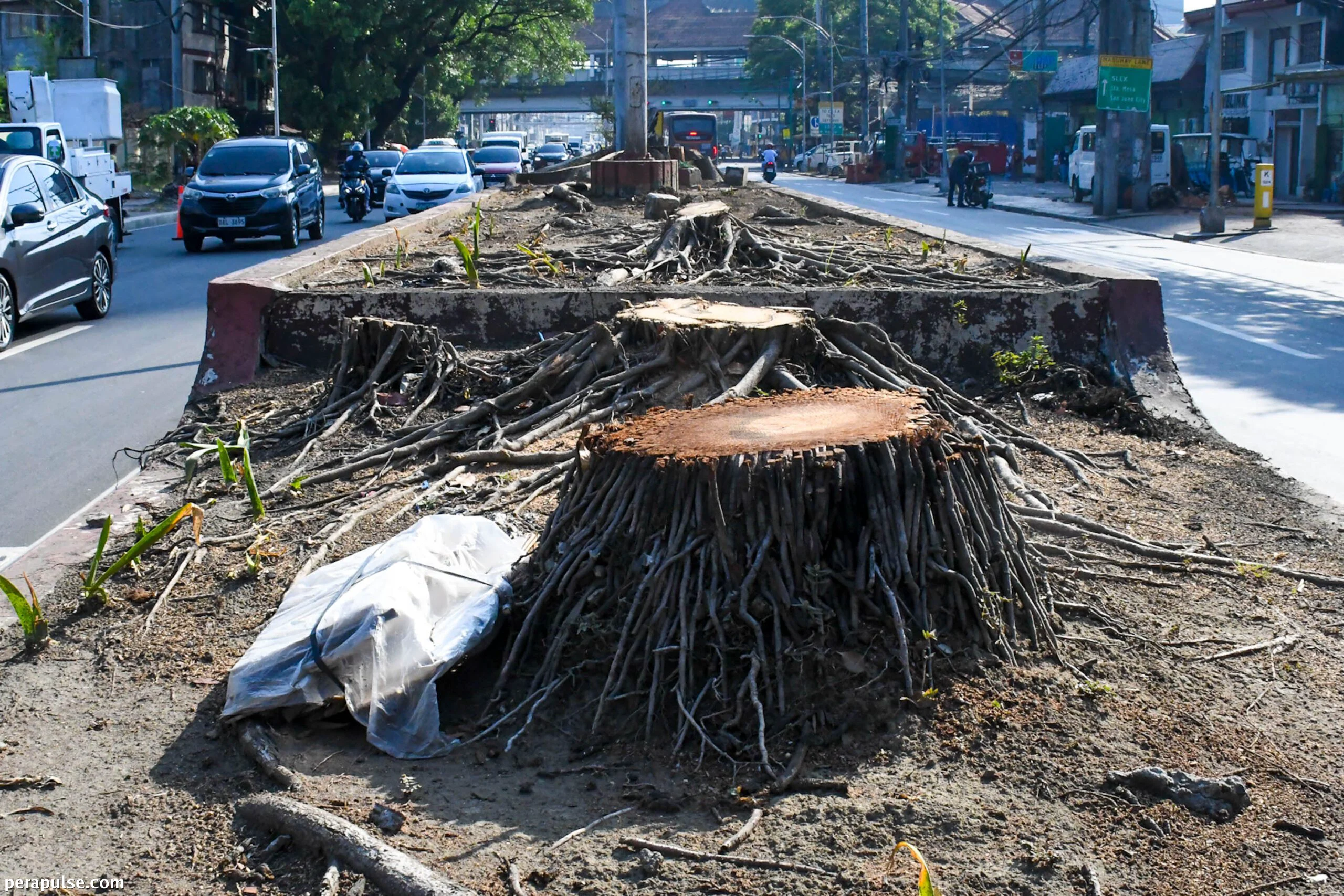
Ang Southern Access Link Expressway (SALEX), isang pangunahing proyekto sa inprastruktura na naglalayong pahusayin ang access sa New Manila International Airport ni Ramon Ang sa Bulacan, ay nagdulot ng makabuluhang mga alalahanin sa kapaligiran. Ang mga kamakailang aktibidad ng pagputol ng mga puno sa kahabaan ng Quirino Avenue ay nakakuha ng kritisismo mula sa mga tagapagtaguyod ng komunidad at mga environmentalist.
Noong Mayo 11, 2026, tinalakay ng mga opisyal ng gobyerno at ni Ang ang potensyal ng paliparan habang tinutugunan ang mga epekto ng sunog sa isang landfill sa Navotas. Binibigyang-diin ni Ang ang nakapagpapabago ng bagong kalsada, na sinasabing mababawasan nito ang oras ng biyahe mula sa Manila Hotel patungo sa Bulacan Airport sa loob lamang ng 15 minuto.
Ang San Miguel Corporation, na namamahala sa pag-unlad ng paliparan, ay nangako na ang proyekto ay walang gastos sa gobyerno, na umaecho sa mga katulad na pahayag na ginawa sa mga nakaraang kontrobersyal na proyekto, kabilang ang PAREX.
Mga Pagsalungat sa Kapaligiran at Komunidad
Ang pagputol ng mga puno sa kahabaan ng Quirino Avenue ay nakatagpo ng makabuluhang pagtutol. Ipinapahayag ng mga grupong pangkapaligiran na ang proyekto ay nagbabanta hindi lamang sa mga lokal na ekosistema kundi pati na rin sa mayamang pamana ng kultura ng Maynila. Tatlong estudyante ang nag-file para sa isang pansamantalang utos ng proteksyon sa kapaligiran sa gitna ng lumalalang mga alalahanin.
Bilang karagdagan sa SALEX, ang mga plano para sa Northern Access Link Expressway (NALEX) ay isinasagawa, na dinisenyo upang higit pang ikonekta ang Metro Manila sa paliparan. Ang malawak na network na ito, na sumasaklaw ng 136.4 kilometro, ay naglalayong mag-facilitate ng hanggang 100 milyong pasahero taun-taon.
“Bawat gastos ay magiging gastos. At hindi kami naniningil para dito. Maaaring isipin mo na ito ay negosyo, hindi ito. Ito ay serbisyo publiko.”
(cite: Ramon Ang, Business Magnate)
Ang mga kritiko ng mga proyekto sa pag-unlad ay nag-argumento na habang ang inprastruktura ay maaaring magdala ng paglago ng ekonomiya, madalas itong nagiging kapalit ng responsibilidad sa kapaligiran at panlipunan. Ang patuloy na pagputol ng mga puno ay nagbubukas ng mga tanong tungkol sa pangmatagalang pagpapanatili ng ganitong mabilis na urbanisasyon sa National Capital Region.
Habang ang lungsod ay nagbabago sa mga bagong kalsada at mga urban na estruktura, ang hinaharap ng Manila Bay at ng mga nakapaligid na kapitbahayan ay nakasuspinde sa isang maselang balanse sa pagitan ng pag-unlad at pangangalaga.