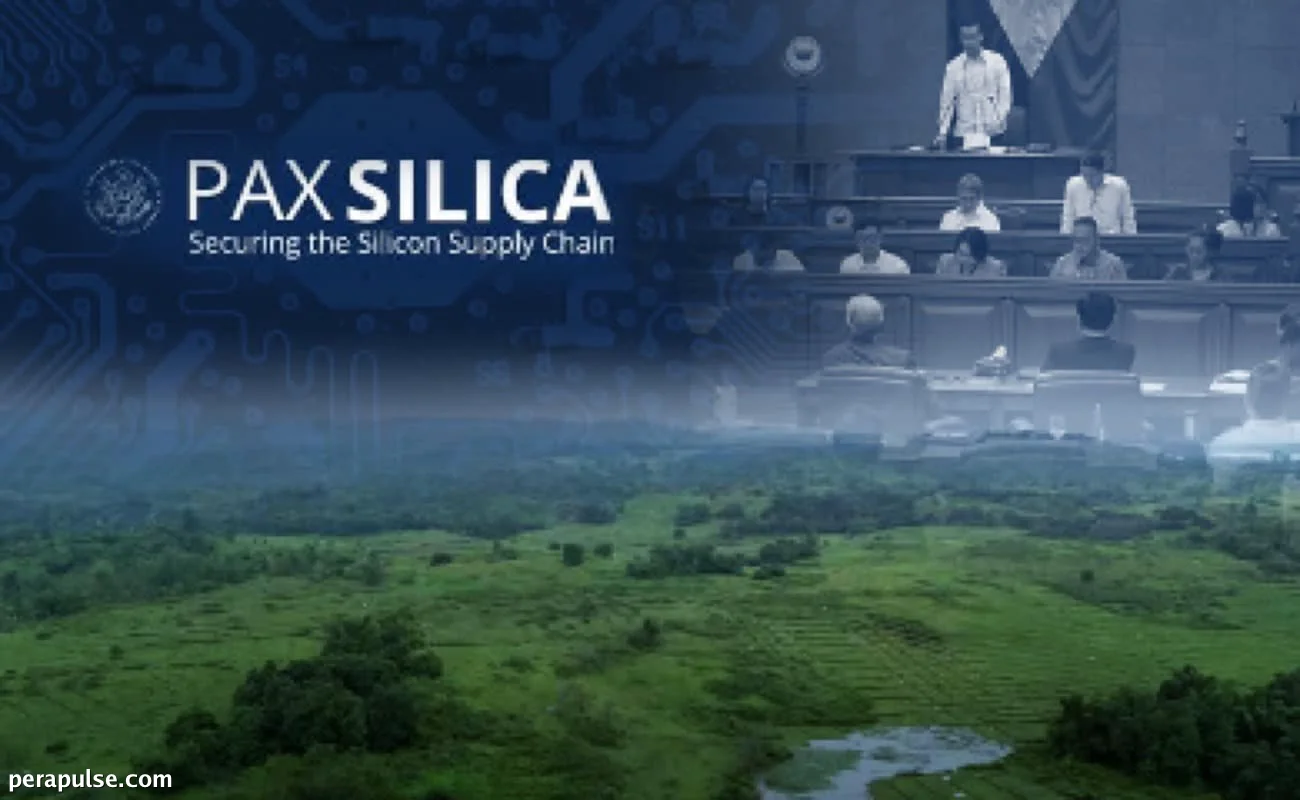
Ang ambisyosong Pax Silica initiative, na naglalayong magtatag ng isang high-tech manufacturing center sa Pilipinas, ay nasa ilalim ng pagsusuri habang hinihintay ang pag-apruba ng Senado. Nagpahayag ang mga eksperto na kung walang pangangasiwa ng lehislatura, maaaring ilantad ng proyekto ang bansa sa makabuluhang panganib.
Nagpatawag ng Eksperto para sa Pangangasiwa ng Senado
Ang pag-iwas sa mga safeguard na ito ay naglalagay sa panganib ng pagbagsak ng demokratikong pananagutan, nagpapalala ng kahinaan sa yaman, at nagbabanta sa pangmatagalang katatagan.
(cite: Dr. Teodoro Mendoza, Retired UP Agricultural Scientist)
- Ang Pax Silica ay naglalayong ilagay ang Pilipinas sa pandaigdigang supply chains para sa mga kritikal na teknolohiya.
- Kung walang pangangasiwa, maaaring humantong ang proyekto sa pagkaubos ng tubig at pagtaas ng strain sa enerhiya.
Binibigyang-diin ni Dr. Teodoro Mendoza, isang retiradong propesor ng crop science mula sa University of the Philippines Los Baños, ang pangangailangan para sa komprehensibong pag-aaral at pampublikong konsultasyon. Itinampok niya na ang pakikilahok ng Senado ay mahalaga upang iayon ang proyekto sa mga pambansang layunin para sa katatagan at pamamahala ng yaman.
Ang iminungkahing sentro, bahagi ng Luzon Economic Corridor, ay naglalayong pahusayin ang papel ng Pilipinas sa pandaigdigang supply chains para sa mga semiconductor at artificial intelligence. Gayunpaman, nagbabala si Mendoza na maaari rin itong humantong sa mga pasanin sa pananalapi at pagkasira ng kapaligiran kung hindi ito maayos na mapamahalaan.
Nagsimula na si Senate President Sherwin Gatchalian ng mga talakayan tungkol sa proyekto, na binibigyang-diin ang kahalagahan ng pangangasiwa sa pagtugon sa mga potensyal na panganib. Habang sinusuri ng Senado ang inisyatiba, nagkaroon ng mga alalahanin tungkol sa epekto nito sa kapaligiran at pagpapanatili.
Mga Posibleng Bunga ng Kawalang-Aksyon
Itinuro ni Mendoza na kung walang interbensyon ng Senado, maaaring mangailangan ang proyekto ng humigit-kumulang 500,000 cubic meters ng tubig araw-araw, na naglalagay sa panganib ng makabuluhang pagkaubos ng aquifer. Iminungkahi niya na ang pagtatakda ng mga limitasyon sa paggamit ay makakatulong upang mabawasan ang mga panganib na ito.
Dagdag pa, maaaring hilingin ng Senado sa Department of Energy na tiyakin na ang mga renewable energy resources ay kasabay ng paglago ng industriya, lalo na't ang inaasahang pangangailangan ng enerhiya ng proyekto ay 3 gigawatts.
Ang mga implikasyon sa pananalapi ay isa ring alalahanin, dahil ipinahayag ni Mendoza na kung walang pangangasiwa, ang mga nakatagong subsidyo ay maaaring umabot sa P50 bilyon, na nagdaragdag sa pasanin ng utang ng bansa. Iminungkahi niya na ang mga independiyenteng pagsusuri ay makakatulong upang mabawasan ang mga panganib na pinansyal na ito.
Epekto sa Seguridad ng Pagkain
Malaki ang mga kinakailangan sa lupa ng proyekto, na maaaring humantong sa pagbabago ng mga lupain ng agrikultura sa mga lalawigan tulad ng Tarlac at Pampanga. Nagbabala si Mendoza na maaaring magresulta ito sa makabuluhang mga hamon sa seguridad ng pagkain, dahil ang paglihis ng lupa para sa industriyal na paggamit ay maaaring magpataas ng pagdepende sa mga pag-import ng pagkain.
Bilang pangwakas, ang pangangailangan para sa pangangasiwa ng lehislatura sa Pax Silica project ay kritikal upang maiwasan ang mga nakakapinsalang epekto sa mga yaman at pamamahala ng Pilipinas. Habang nagpapatuloy ang mga talakayan, ang kinalabasan ay maaaring magtakda ng precedent para sa mga susunod na malakihang inisyatiba sa bansa.