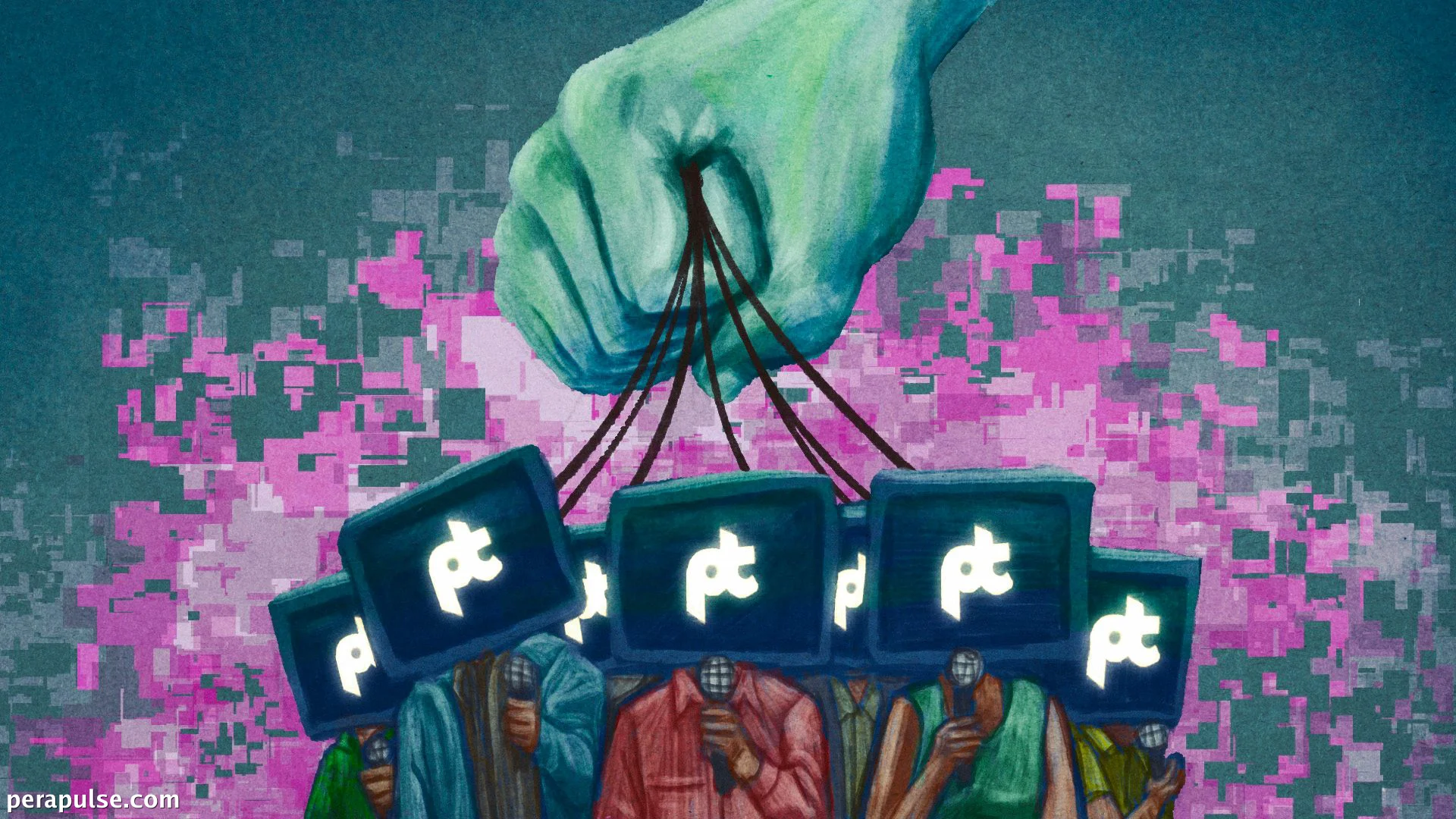
Ang Pilipinas Today ay napapansin dahil sa mga kahina-hinalang gawi sa pamamahayag at kakulangan ng transparency. Ang platform, na iniulat na nagpapatakbo na may badyet na
Ang Illusion ng Pamamahayag
May karapatan ang mga tao na malaman kung ano ang kanilang kinokonsumo, kung sila ay kumokonsumo ng pamamahayag, adbokasiya, advertising, public relations, o nilalaman o materyales ng komunikasyon sa politika.
(cite: Ron Jabal, PAGEONE Group CEO)
Ang paunang pagsusuri ng mahigit 1.3 milyong mga post mula sa Pilipinas Today ay nagpapakita na isang makabuluhang bahagi ay nagsisilbing propaganda para sa mga political figure. Halimbawa, ang mga post ay nagha-highlight ng mga inisyatiba ng gobyerno ngunit nakatuon nang husto sa mga opisyal sa likod nito, kadalasang walang kritikal na pagsusuri.
Ang 'news cards' ng platform—maikli, nakaka-engganyong mga post sa social media—ay hindi nag-uugnay sa mga komprehensibong kwento at kulang sa atribusyon ng may-akda. Ang format na ito ay idinisenyo upang mabilis na ipakalat ang impormasyon nang walang rigor ng tradisyunal na pamamahayag.
Isang PR Front?
Ang pagmamay-ari ng Pilipinas Today ay konektado sa Sartine IT Solutions, isang kumpanya na may kasaysayan ng political consulting at potensyal na ugnayan sa mga kampanya ng maling impormasyon. Ito ay nagdudulot ng mga tanong tungkol sa mga motibasyon sa likod ng nilalaman na nilikha.
Ang mga kamakailang imbestigasyon ay nag-ugnay sa Sartine sa mga diumano'y operasyon ng troll na dati nang nagmanipula ng mga naratibo sa social media sa panahon ng mga eleksyon, kapwa sa Pilipinas at sa ibang bansa.
Pagpapakahulugan sa 'Pink Slime Journalism'
Si Cheryll Soriano, isang propesor sa komunikasyon, ay nagbigay-diin sa terminong 'pink slime journalism' upang ilarawan ang mga outlet tulad ng Pilipinas Today. Ang terminong ito ay tumutukoy sa mga organisasyon na nagpapakita ng kanilang sarili bilang mga mapagkakatiwalaang pinagkukunan ng balita habang nagtutulak ng mga partisan na agenda.
Ang mga ganitong operasyon ay maaaring magbaluktot ng pampublikong persepsyon, lalo na sa panahon ng mga eleksyon kung saan ang maling impormasyon ay maaaring makabuluhang makaapekto sa mga desisyon ng mga botante. Binibigyang-diin ng beteranong mamamahayag na si Inday Espina-Varona na ang mga pagkakaiba sa pagitan ng lehitimong balita at bayad na nilalaman sa politika ay naging mapanganib na malabo.
Ang kakulangan ng mahigpit na regulasyon sa mga platform ng social media ay nagpapahintulot sa paglaganap ng mga ganitong pahina, na nagha-highlight ng pangangailangan para sa mas malaking pananagutan sa digital na pamamahayag.
Pag-navigate sa Kinabukasan ng Balita
Parehong hinihimok ng mga iskolar at mamamahayag ang publiko na kritikal na suriin ang mga pinagkukunan ng kanilang impormasyon. Habang patuloy na kumakalat ang maling impormasyon, ang pagtukoy sa kredibilidad ng mga pinagkukunan ng balita ay mas mahalaga kaysa dati.
Dapat ding tugunan ng mga tagagawa ng patakaran at mga kumpanya ng social media ang mga butas na nagpapahintulot sa mga entidad tulad ng Pilipinas Today na magpatakbo sa ilalim ng anyo ng lehitimong pamamahayag nang walang pananagutan.