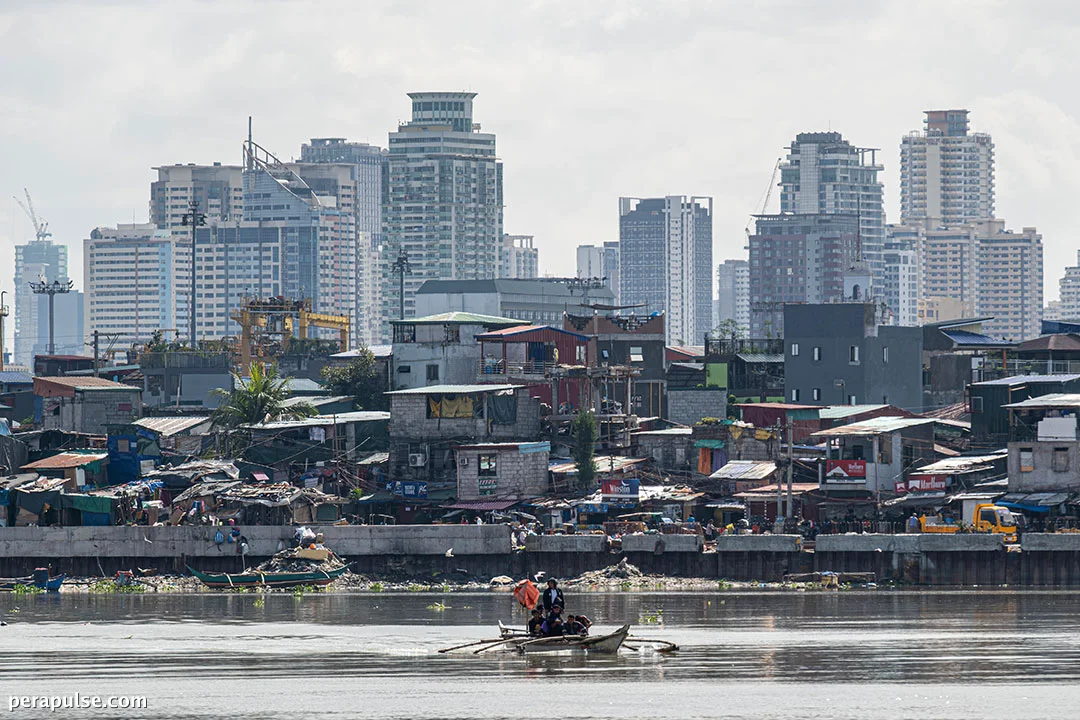
Nakahanda ang Pilipinas na panatilihin ang kanyang katayuan bilang isang upper-middle income country (UMIC) sa kabila ng mga kapansin-pansing hamon sa ekonomiya sa unang kalahati ng taon. Ang pagtatayang ito ay nagmula sa Department of Economy, Planning, and Development.
Tiniyak ni Economy Secretary Arsenio M. Balisacan sa publiko na ang kasalukuyang pagbagal ay hindi makakapinsala sa katayuan ng bansa bilang UMIC standing, na binibigyang-diin na ang gross national income (GNI) per capita ay nananatiling positibo.
Kung ang ekonomiya ay bumagsak nang husto, maaari itong makaapekto sa katayuan ng bansa. Ngunit kahit ang pagtukoy sa ating klasipikasyon ay hindi nakabatay sa isang taon ng pagganap.
(cite: Arsenio M. Balisacan, Economy Secretary)
Ang ekonomiya ng Pilipinas ay lumago ng 2.3% lamang sa ikalawang kwarter, na hindi umabot sa nakaraang taon na 5.4% na rate ng paglago. Ito ay nagdadala sa unang kalahating paglago sa 2.6%, na mas mababa sa binagong target ng gobyerno na 3.5%-4.5% para sa 2026.
Sa kabila ng mas mabagal na paglago, hinuhulaan ng ANZ Research ang isang pagbawi, na tinatayang isang 3.9% growth rate para sa taon, na binabanggit ang potensyal na momentum mula sa pagtaas ng gastusin sa imprastruktura.
Gayunpaman, nagbabala ang mga eksperto na ang patuloy na pagbagsak ay maaaring maglagay sa panganib sa makitid na margin sa itaas ng threshold ng kita ng World Bank. Kamakailan ay na-classify ang Pilipinas bilang isang UMIC matapos maabot ang GNI per capita na $4,850, na $214 lamang sa itaas ng benchmark ng World Bank.
Itinuro ng ekonomistang si Ser Percival K. Peña-Reyes ng Ateneo na kahit ang klasipikasyon mismo ay maaaring maging secure, ang mga implikasyon para sa pangkaraniwang Pilipino ay dapat suriin. Binibigyang-diin niya na ang pamamahagi ng kita at ang kalidad ng buhay ay dapat mapabuti kasabay ng mga sukatan ng ekonomiya.
Tinutukoy ni Marco Antonio C. Agonia mula sa University of Asia and the Pacific na ang pagpapanatili ng UMIC status ay hindi awtomatikong nagpapahiwatig ng kalusugan ng ekonomiya o pinabuting pamantayan ng pamumuhay para sa populasyon.
Habang humaharap ang ekonomiya sa potensyal na mga hamon, dapat ipagpatuloy ng gobyerno ang mga pagsisikap nito upang matiyak na ang paglago ng ekonomiya ay nagiging konkretong benepisyo para sa mga mamamayan nito.