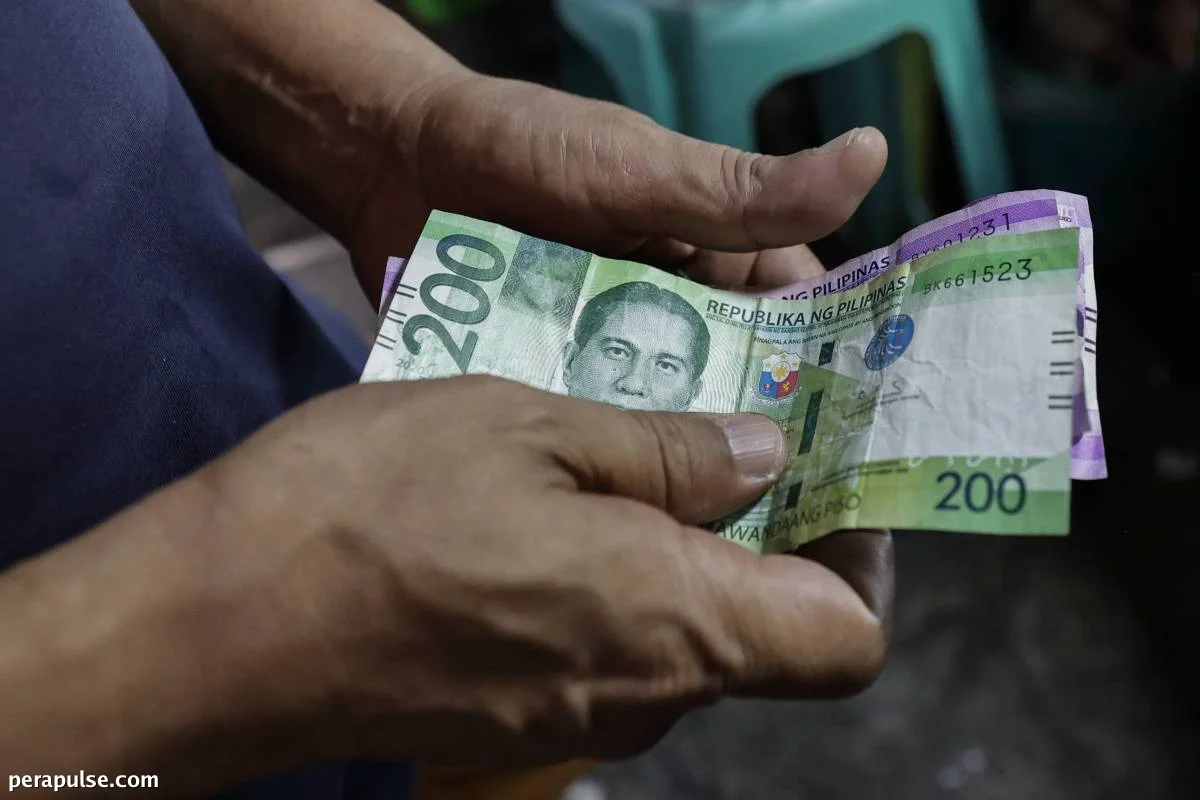
The Philippine peso is projected to weaken further, potentially reaching P63 to the dollar, according to a report from BMI, a unit of Fitch Group. This prediction comes amid renewed conflicts in the Middle East and rising global energy prices.
Economic Factors Impacting the Peso
A renewed escalation in the US-Iran conflict, US dollar firmness and seasonal peak in import demand will weigh on the peso in the near term.
BMI Report
The peso recently closed at P61.587:$1, reflecting a slight gain of 3.3 centavos. However, the currency has been underperforming since the onset of the US-Iran conflict in late February.
Rising oil prices have exacerbated the Philippines' trade deficit, as the country relies heavily on imported oil. BMI noted that the import growth rate surged to 22.1 percent from March to May, compared to 7.9 percent in earlier months.
The forecast suggests that while the peso might strengthen to around P61.00 by the end of 2026, adverse conditions, including weak foreign direct investment (FDI) inflows and heightened geopolitical tensions, will likely hinder any substantial recovery.