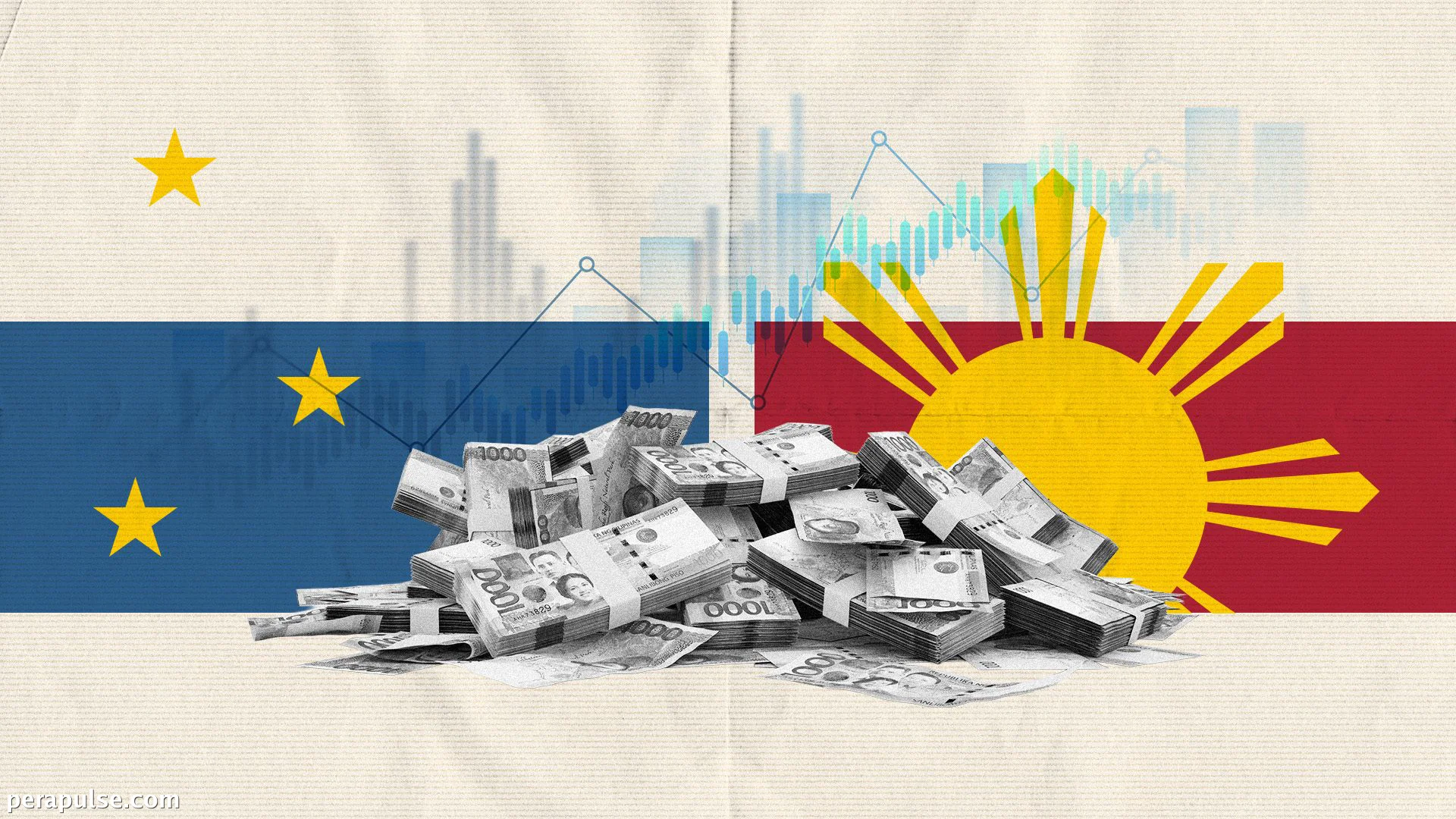
On July 1, 2026, the World Bank announced that the Philippines has officially transitioned to an upper-middle income country (UMIC). This milestone ends a nearly four-decade long period within the lower-middle income bracket.
The Philippines achieved a gross national income (GNI) per capita of $4,850 in 2025, surpassing the UMIC threshold of $4,636. However, this advancement prompts a critical examination of what this status truly means for the average Filipino.
A Long Journey to Upper-Middle Income
The road to this classification has been lengthy, heavily shaped by sustained economic growth since the early 2000s. Despite this achievement, many Filipinos express skepticism about how this designation translates to improved living conditions.
The GNI per capita is a crude average and does not reflect income distribution within the country.
Economist Expert
- GNI per capita does not account for wealth inequality.
- Real wages have stagnated despite economic growth.
- Many Filipinos feel disconnected from this economic milestone.
While the government heralds this status as a 'vote of confidence' for future investments, the reality on the ground reveals a different picture. Challenges such as inflation and stagnant wages continue to plague many citizens, undermining the perceived benefits of this economic upgrade.
Moreover, the Philippines may face challenges in maintaining this status. As an upper-middle income country, access to concessional loans and foreign aid may diminish, potentially increasing the cost of investment at a time when robust economic growth is crucial.
The comparison with Vietnam, which also reached upper-middle income status, highlights significant differences. Vietnam's GNI of $4,970 surpasses the threshold by a larger margin, and its economic growth remains more robust.
In light of these factors, the question is not merely one of celebration but of sustainability. Can the Philippines build on this status without exacerbating existing inequalities? The path forward requires careful policy planning and a focus on inclusive growth.