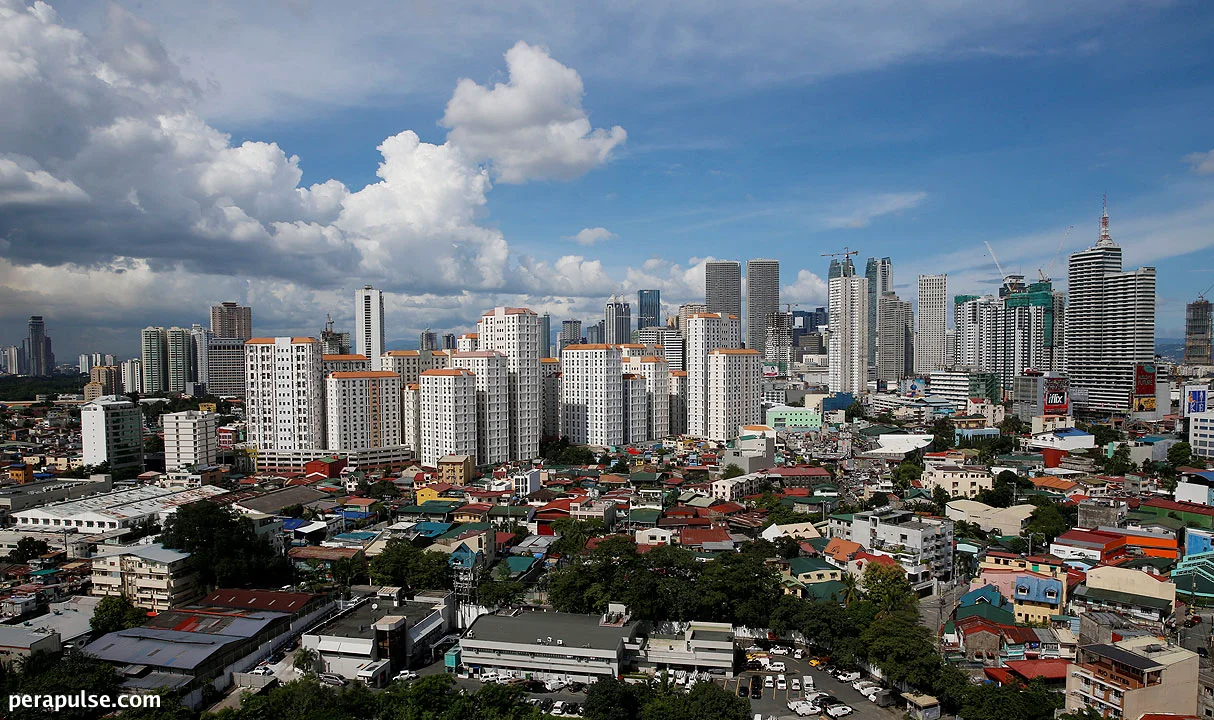
The Philippine property sector is anticipated to experience a slowdown in the second half of 2026, driven by elevated oil prices and ongoing inflation. This situation is prompting developers to reconsider project timelines and strategies.
Developers Adjust Strategies Amid Economic Pressures
The Middle East covered about 18% of total remittances to the Philippines in 2025, so that is pretty significant.
Joey Roi Bondoc, Director for Research at Colliers Philippines
- Higher fuel and construction costs
- Weaker consumer purchasing power
- Delays in project construction and marketing
Analysts warn that the combination of increased fuel prices, construction costs, and high borrowing rates will likely impact residential, retail, and hospitality segments significantly. In contrast, demand for industrial and outsourcing properties may still provide some level of support.
Joey Roi Bondoc of Colliers Philippines highlighted that the regional conflict is straining supply chains and affecting buyers' purchasing power. This could lead to developers postponing projects to better align with anticipated demand.
Claro dG. Cordero, Jr. from Cushman & Wakefield noted that while oil markets may stabilize eventually, the ripple effects on transportation and utility costs will further squeeze household budgets.
With around seven years' worth of unsold condominium inventory in Metro Manila, many developers are shifting their focus toward horizontal housing projects in provinces like Cavite, Laguna, and Batangas. These areas are seeing stronger demand from end-users, particularly from overseas Filipino workers.
Despite the challenges, some segments such as logistics and industrial developments are expected to perform well, benefiting from supply chain adjustments.
John Corpus from Savills Philippines emphasized that the economic landscape is prompting businesses to be more selective in their expansion strategies, especially with looming geopolitical risks and domestic uncertainties.
Analysts suggest that developers should prioritize operational efficiency and invest in cost-saving measures like renewable energy systems to navigate these turbulent times.