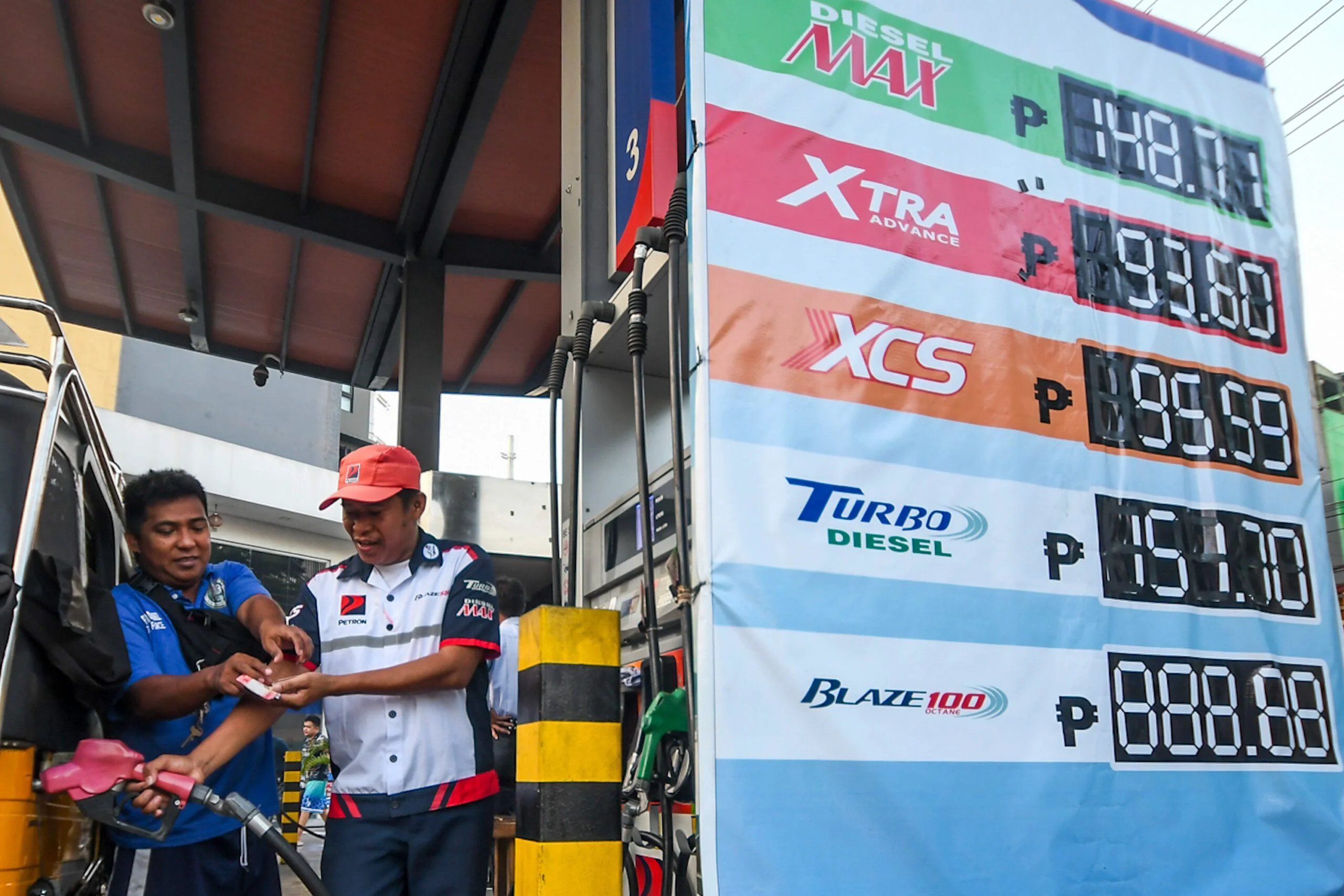
Ang ekonomiya ng Pilipinas ay lumago ng 2.8% lamang sa unang kwarter ng 2026, isang makabuluhang pagbagsak mula sa 5.4% na paglago na nakita sa parehong panahon noong nakaraang taon. Ang pagbagsak na ito ay iniuugnay sa epekto ng patuloy na pagtaas ng presyo ng langis at isang iskandalo sa korupsiyon na kinasasangkutan ang mga proyekto sa kontrol ng baha.
Inilabas ng Philippine Statistics Authority ang mga numerong ito noong Mayo 7, na nagpapakita na ang paglago ay bumagsak nang malayo sa naituwid na target ng gobyerno na 5% hanggang 6%, na naibaba na mula sa orihinal na 6% hanggang 7%. Inaasahan din ng mga analyst ang isang rate ng paglago na 3.4%.
Epekto ng Tumataas na Presyo
Inaasahang bababa ang pagkonsumo ng mga sambahayan habang ang patuloy na alitan sa Gitnang Silangan ay nagdudulot ng pagtaas ng presyo ng gasolina at pagkain, na nag-aambag sa mga rate ng implasyon na umabot sa pinakamataas na antas mula pa noong dekada 1990.
Bilang tugon sa tumataas na kapaligiran ng implasyon, muling nagpatuloy ang Bangko Sentral ng Pilipinas sa pagtaas ng mga rate ng interes noong Abril. Ngayon, inaasahan ng sentral na bangko ang isang average na rate ng implasyon na 6.3% para sa 2026.
Ang pananaw sa ekonomiya ay nakababahala habang humihina ang paggastos ng mga sambahayan dahil sa parehong panlabas at panloob na presyon.
Economic Analyst