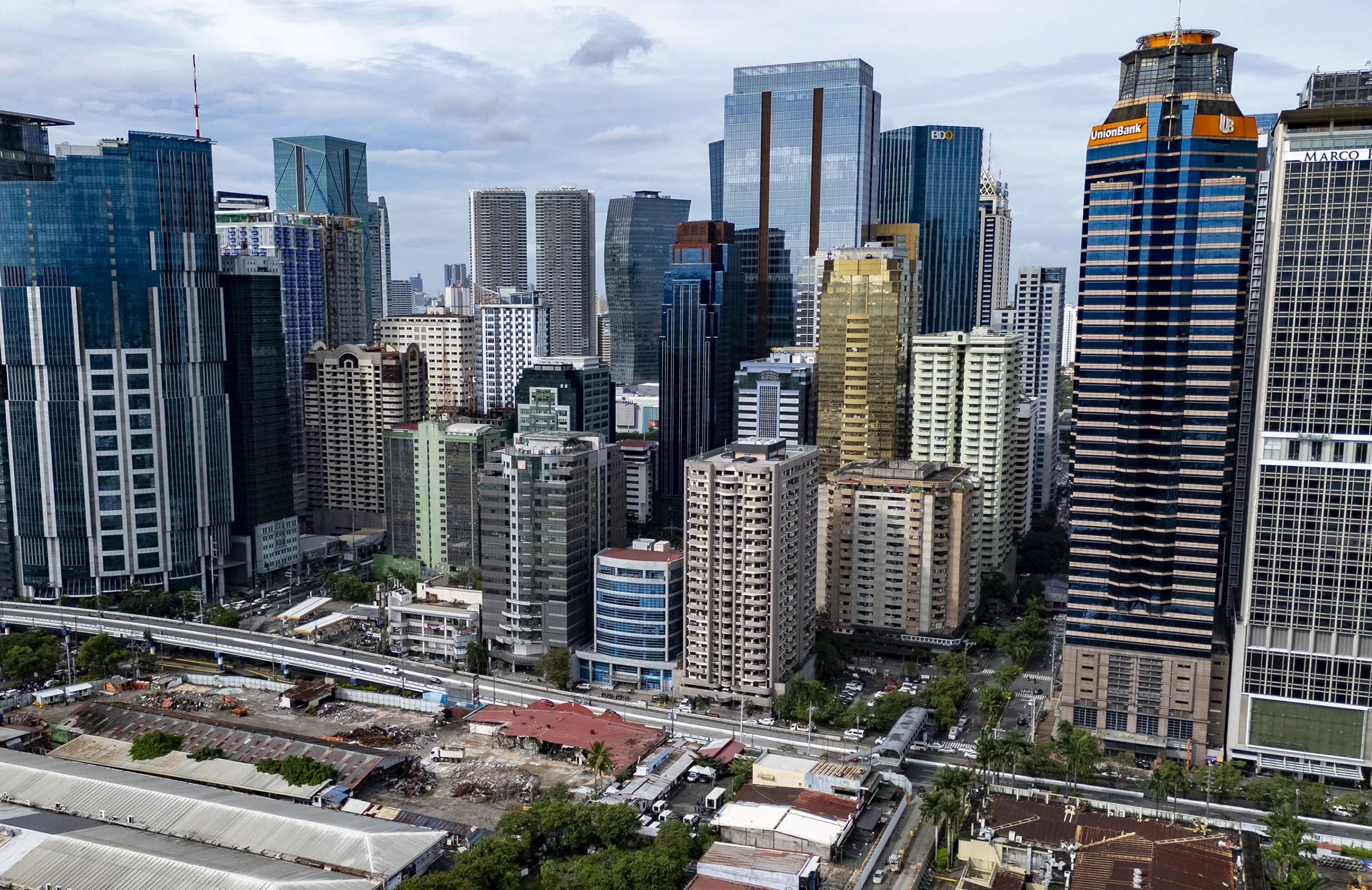
Tinatayang lumago ang ekonomiya ng Pilipinas ng 3.4% sa unang kwarter ng 2026, ayon sa mga pagtataya ng mga ekonomista. Ito ay isang bahagyang pagbuti mula sa paglago ng 3% noong nakaraang kwarter, ngunit nananatili itong mas mababa sa target ng gobyerno na 5% hanggang 6%.
Ang mga numero ng paglago ay lumitaw sa gitna ng mahina at marupok na pagbangon, na naapektuhan ng pagtaas ng presyo ng enerhiya sa buong mundo na konektado sa mga patuloy na hidwaan sa Gitnang Silangan.
Inaasahang ilalabas ng Philippine Statistics Authority ang opisyal na datos ng GDP sa Mayo 7.
Tinutukoy ni Nicholas Mapa, punong ekonomista ng Metropolitan Bank & Trust Co., na habang ang paglago ay bumalik, ito ay patuloy na humaharap sa mga hamon. Binanggit niya na ang mga sambahayan ay nahihirapan sa mataas na utang at tumataas na presyo.
Ang paglago ay nananatiling mababa habang ang mga sambahayan ay nagsisikap na pamahalaan ang antas ng utang at makipagsapalaran sa tumataas na presyo.
Nicholas Mapa, Metropolitan Bank & Trust Co.
Ipinapakita ng mga kamakailang ulat na maaaring hindi rin umabot ang paggastos ng gobyerno, na higit pang nagpapahirap sa mga pagsisikap sa pagbangon ng ekonomiya.
Ang mabagal na paglago noong huli ng 2025, na siyang pinakamabagal sa loob ng 16 na taon maliban sa mga pagkaabala na dulot ng pandemya, ay pinalala ng isang iskandalo ng korupsiyon na nagpasira sa tiwala ng publiko at paggastos.
Nagbabala ang mga ekonomista na ang mga panlabas na presyon, partikular mula sa Gitnang Silangan, ay patuloy na nagdadala ng mga panganib. Inaasahan ni Sarah Tan mula sa Moody’s na ang mga salik na ito ay magkakaroon ng negatibong epekto sa paggastos ng mga mamimili at mga aktibidad sa pag-export.
Ang mga ito ay magkakaroon ng epekto sa kakayahan ng mga mamimili na bumili, damdamin ng negosyo at mga pag-export sa unang kwarter.
Sarah Tan, Moody's
Samantala, inaasahan ng mga analyst sa Capital Economics na habang ang paglago ay maaaring bumuti sa unang bahagi ng 2026, ang epekto ng mga tensyon sa heopolitika ay hadlang sa karagdagang pagpapalawak ng ekonomiya.