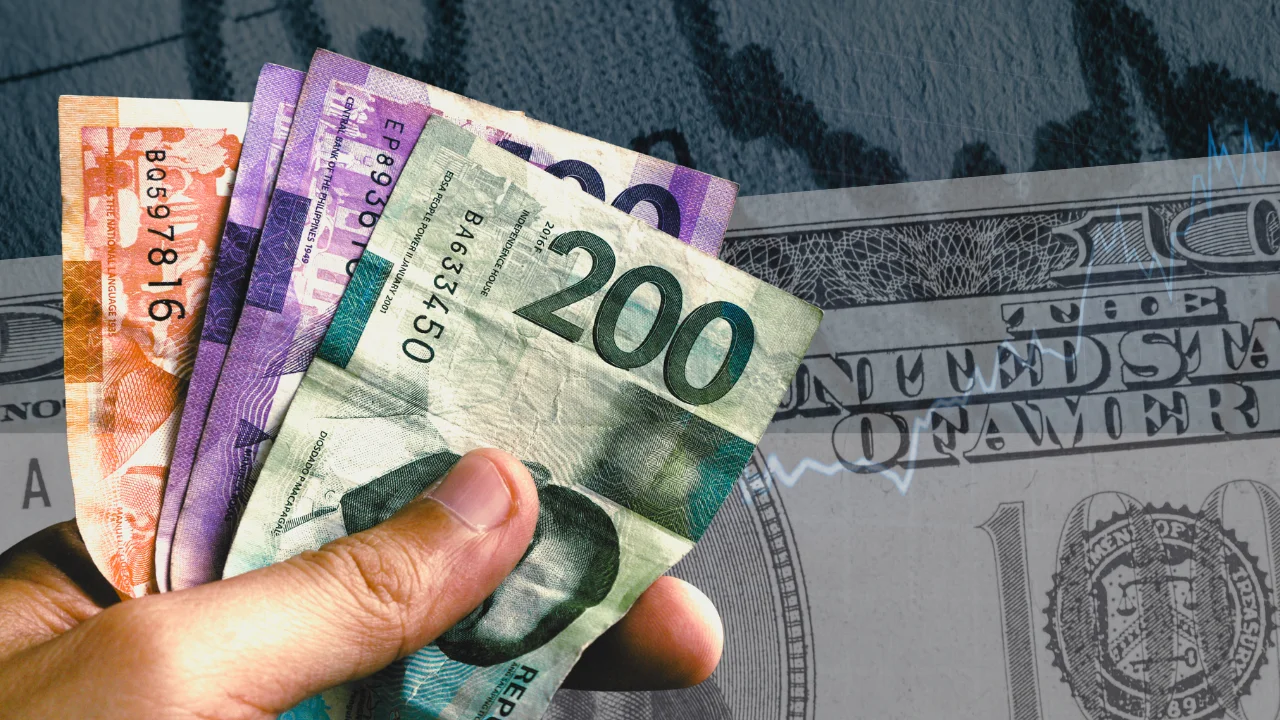
Inaasahan ng mga analyst sa MUFG Global Markets Research na ang piso ng Pilipinas ay maaaring bumagsak pa sa pagitan ng 62 at 63 kada dolyar. Ang forecast na ito ay naapektuhan ng patuloy na digmaan sa Gitnang Silangan at mga matigas na patakaran ng US Federal Reserve.
Sa kasalukuyan, ang baseline estimate ng MUFG ay nagpapakita na ang piso ay makikipagkalakalan sa pagitan ng 60.5 at 61.5 sa malapit na hinaharap. Gayunpaman, nagbabala ang bangko na ang pinalawig na hidwaan at naantalang pagbabawas ng rate ng Fed ay maaaring magpalala ng presyon sa pera.
Sa isang senaryo ng panganib ng pinalawig na hidwaan, patuloy naming nakikita ang piso ng Pilipinas na mahina at ang USD/PHP ay tumataas patungo sa 62 hanggang 63, lalo na kung ito ay pinagsama sa isang matigas na Fed.
MUFG Global Markets Research
Noong nakaraang linggo, umabot ang piso sa isang bagong rekord na mababang 61.75 bago bahagyang makabawi. Nagsara ang mga merkado noong Biyernes bilang paggunita sa Araw ng Paggawa.
Kamakailan ay pinanatili ng Fed ang benchmark interest rate sa pagitan ng 3.5% at 3.75%, na binibigyang-diin ang patuloy na mga alalahanin sa inflation na pinapagana ng tumataas na pandaigdigang presyo ng enerhiya. Ang desisyong ito ay nagpapatibay sa dolyar, na nag-aambag sa pagbagsak ng piso.
Habang ang mas mahinang piso ay maaaring makabuti sa mga overseas Filipino workers sa pamamagitan ng pagtaas ng halaga ng mga remittance at pagbibigay sa mga exporter ng kompetitibong bentahe, itinaas din nito ang halaga ng mga imported na kalakal at pinabigat ang pasanin ng piso sa mga utang sa banyagang pera.
Sa kabila ng kamakailang pagbagsak, itinaas ng Bangko Sentral ng Pilipinas (BSP) ang pangunahing interest rate nito ng isang-kapat na puntos sa 4.5% noong Abril 23, na nagmarka ng unang pagtitigas sa mahigit dalawang taon.
Tumingin sa hinaharap, inaasahan ng MUFG na ang naantalang pagpapagaan ng Fed simula Setyembre, kasama ang potensyal na pagtaas ng rate ng BSP, ay maaaring makatulong sa pag-stabilize ng piso.
Gayunpaman, binanggit din ng bangko na ang piso ay nananatiling undervalued kumpara sa patas na halaga, na nagpapahiwatig na maaaring tumagal ng humigit-kumulang pitong buwan para sa exchange rate na makapag-adjust nang makabuluhan.