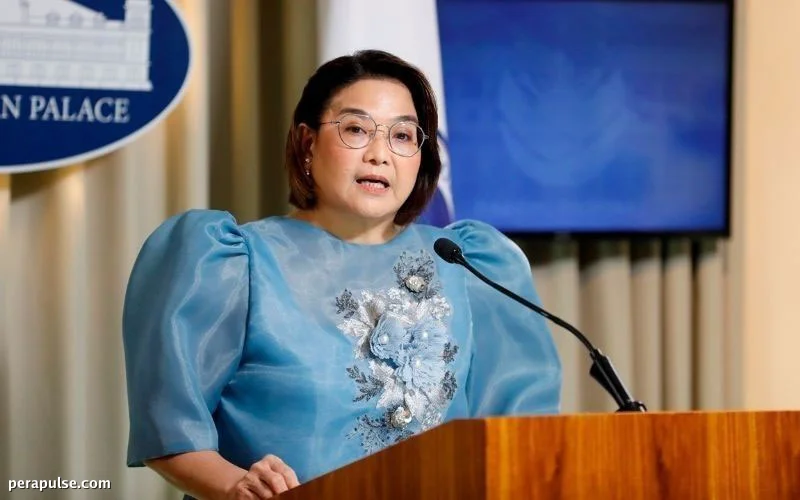
The Philippine government, through the Palace, has stated that the country’s recent classification as an upper-middle income country (UMIC) will not lead to immediate changes in the terms of its multilateral loans.
Transition Period for Loan Adjustments
The effect on multilateral loans will not be immediate... if any, it will be minuscule.
Clarissa A. Castro, Palace Press Officer
- UMIC status was assigned by the World Bank last week.
- The proposed 2027 government budget is P7.2 trillion, a 6% increase.
During a briefing, Press Officer Clarissa A. Castro emphasized that multilateral development institutions generally observe a transition period before adjusting lending terms for countries that achieve a higher income classification.
According to Castro, any potential adjustments to loan rates are unlikely to be felt in the next three years. She cited Finance Secretary Frederick D. Go, who noted that the institutions typically wait before implementing changes.
The Department of Budget and Management has outlined that the 2027 budget, accounting for 21.7% of the gross domestic product, will remain unaffected by this new status in the immediate term.
While the Palace confirmed that the transition period for the UMIC classification could lead to changes in the financing landscape, it also indicated that current borrowing strategies and budget plans will remain intact.
The World Bank's reclassification of the Philippines reflects the country’s sustained economic growth, yet it may limit access to concessional financing typically available for lower-income nations.