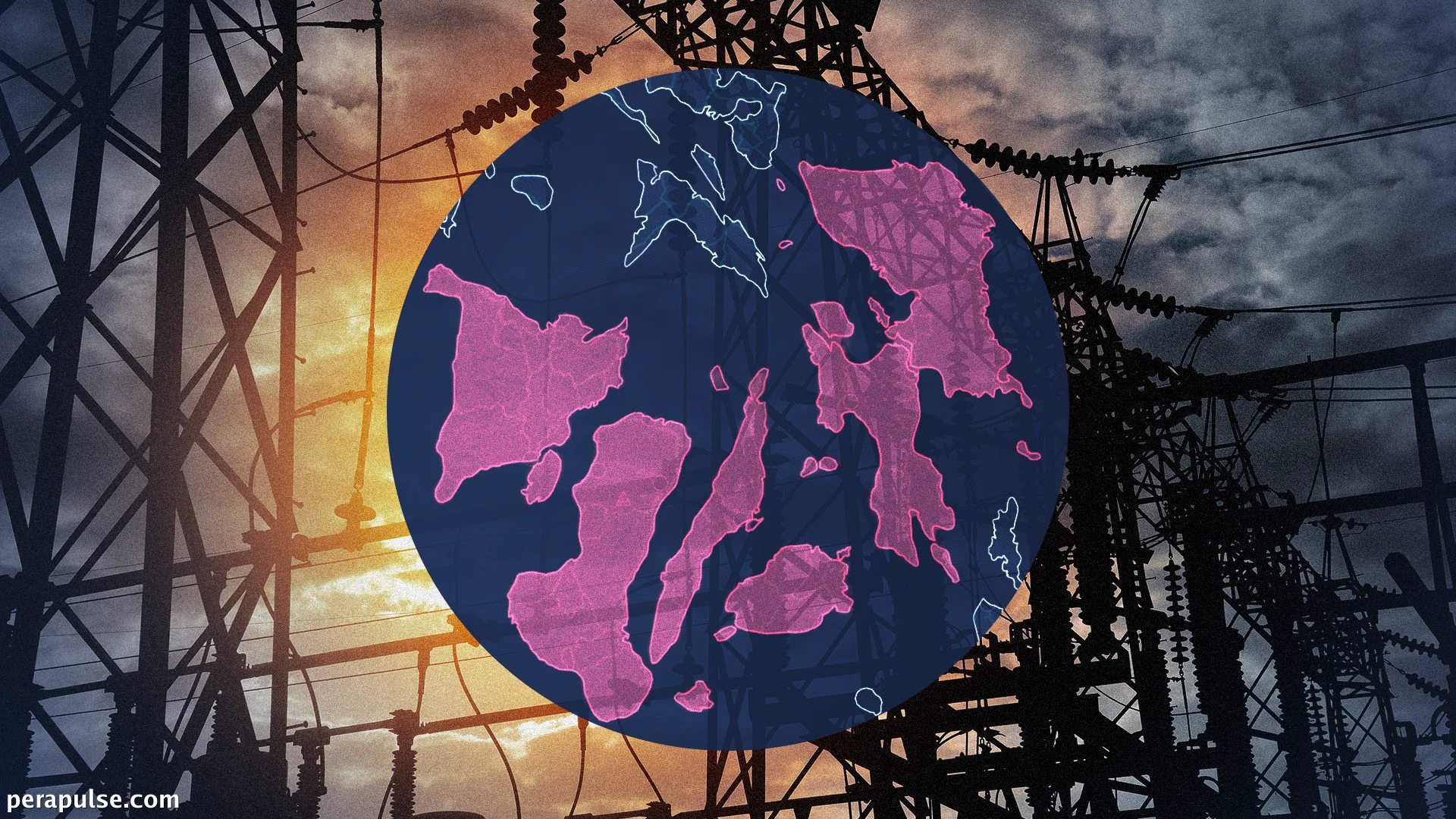
The Visayas region, which boasts over 50% of its power generation from renewable sources, is bracing for a challenging energy landscape in 2027. The Department of Energy (DOE) warns that unplanned outages, particularly among coal-powered plants, may lead to several red alerts due to rising demand and system failures.
Energy Secretary Sharon Garin has pointed to inadequate planning and a lack of ancillary services procurement agreements (ASPAs) as key issues. The National Grid Corporation of the Philippines (NGCP) reported that over 1,500 megawatts of power were unavailable in September, exacerbated by forced outages.
Power Plant Outages and Their Implications
Unplanned and extended outages from coal power plants are the primary driver of these frequent grid alerts.
Institute for Climate and Sustainable Cities (ICSC)
The dependence on coal remains significant in the Visayas, with one in three power plants fueled by it, contributing approximately 1,267 megawatts of dependable capacity. The energy mix varies significantly across the region's sub-grids.
Cebu, in particular, has been heavily impacted by outages, with its coal plants generating over 82% of its energy. The island's reliance on coal has made it vulnerable to disruptions, particularly during peak demand periods.
Future Directions and Solutions
Looking ahead, the DOE anticipates new base-load plants to come online between 2028 and 2030, primarily from coal, nuclear, diesel, and geothermal sources. However, experts like Alberto Dalusung III recommend focusing on decentralized energy solutions and battery energy storage systems (BESS) to enhance grid resilience.
The call for BESS deployment aims to provide immediate energy discharge during peak demand and create localized energy generation systems, which could significantly reduce reliance on large power plants.