The Philippines is grappling with significant hurdles in its energy sector, characterized by soaring electricity prices and persistent supply alerts. In the Visayas region alone, nearly 130 yellow and red alerts have been reported since January 2026, indicating a pressing need for reform.
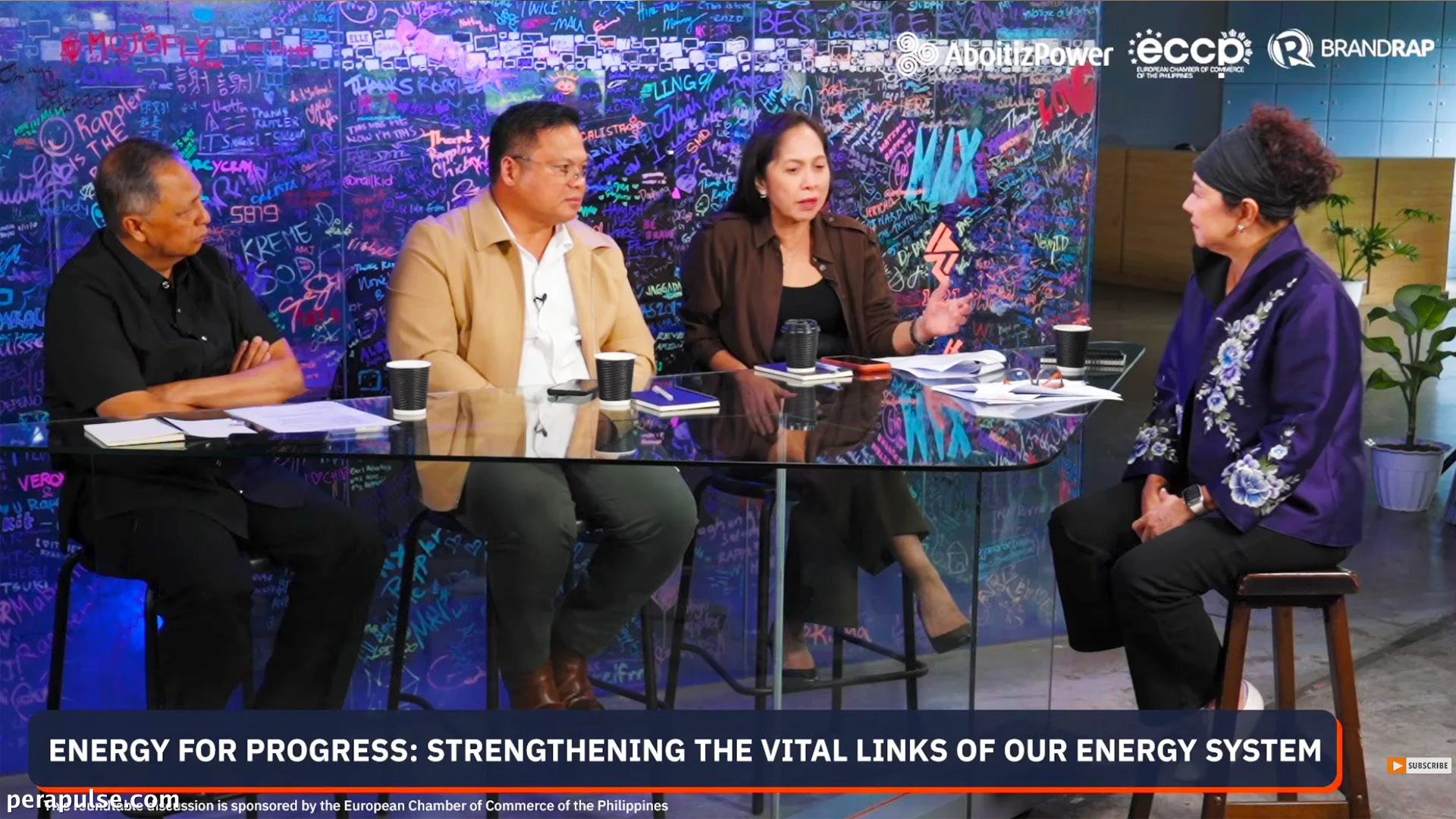
During a recent roundtable titled "Energy for Progress: Strengthening the Vital Links of our Energy System," key stakeholders, including Energy Secretary Sharon Garin and Energy Regulatory Commission Chairperson Atty. Francis Saturnino Juan, discussed the factors contributing to the current energy crisis.
“We experience red and yellow alerts for various reasons, including supply shortages and delays in power plant constructions,” said Atty. Francis Saturnino Juan, ERC Chairperson.
Atty. Francis Saturnino “Nino” Juan, Chairperson and CEO, Energy Regulatory Commission
The panel emphasized the importance of modernizing regulations to accommodate new energy technologies. Secretary Garin noted that the government's energy mix needs to evolve, incorporating renewable sources alongside traditional baseload power to meet growing demand.
- Create new regulations to enhance grid efficiency.
- Explore distributed generation methods to ensure consistent supply.
Del Mundo, an academic expert, pointed out that project delays exacerbate the electricity supply crisis, which negatively impacts economic stability. He highlighted the need for strategic procurement by distribution utilities to foster new capacity and stability in the energy market.
The roundtable also discussed enhancing the role of electric cooperatives in underserved areas. Garin suggested consolidating smaller cooperatives into larger entities to improve efficiency and reduce rates.
In a country prone to climate issues, innovative energy solutions, such as agrivoltaics—using land for agriculture under solar panels—were proposed. This approach could address both land and energy needs effectively.