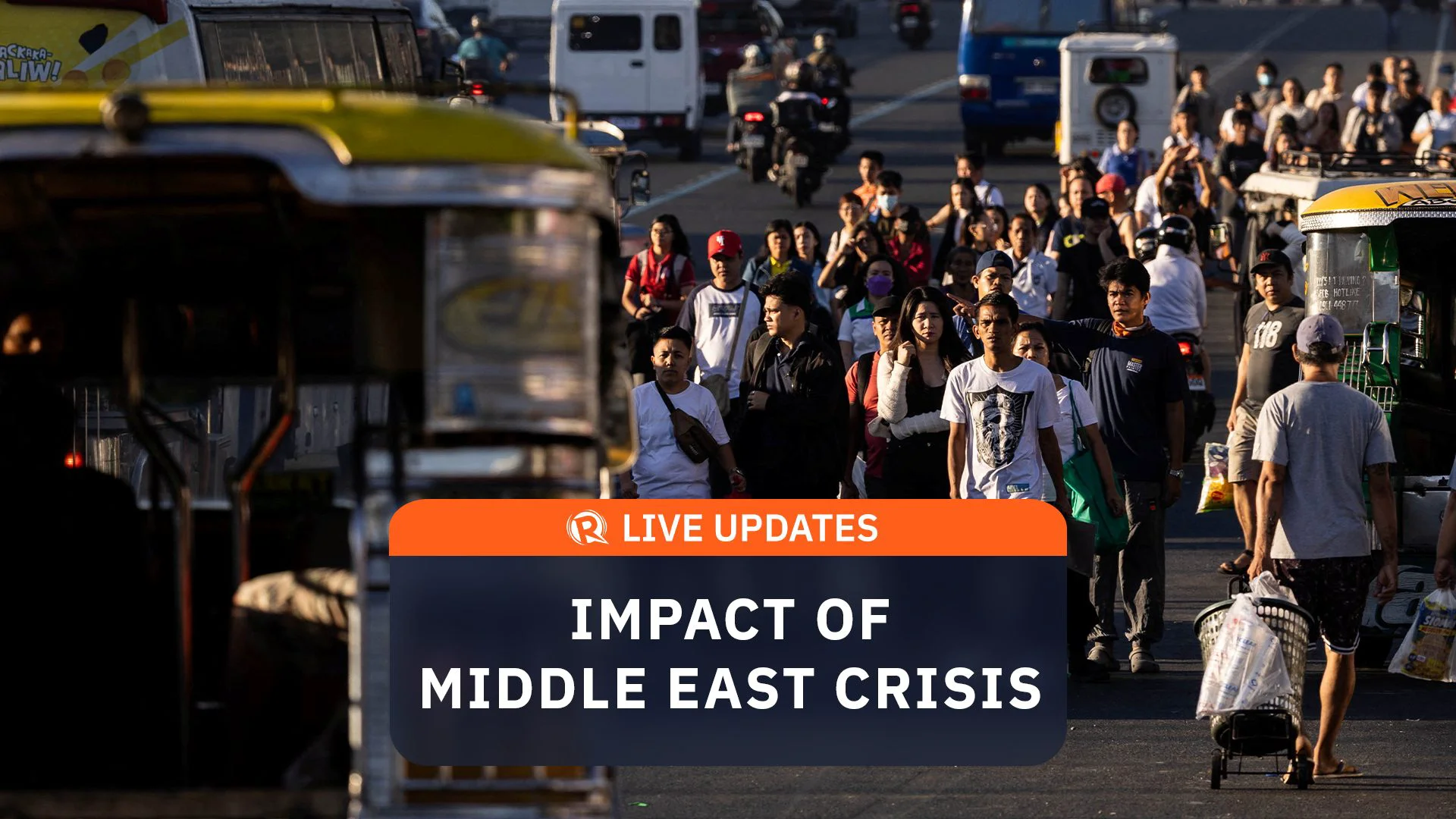
Nararamdaman ng Pilipinas ang mga epekto ng lumalalang labanan sa Gitnang Silangan, partikular ang digmaan na kinasasangkutan ng Estados Unidos at Israel laban sa Iran. Ang krisis na ito ay nag-trigger ng estado ng pambansang emergency sa enerhiya, na nagresulta sa pinakamataas na presyo ng langis sa kasaysayan.
Habang tumataas ang mga gastos sa langis sa loob ng bansa, iba't ibang industriya kabilang ang transportasyon, kalakalan, at agrikultura ay nahaharap sa tumitinding presyon. Ang pagtaas ng presyo ay nakaapekto sa mga manggagawa at mamimili.
Ang kaligtasan ng mahigit 2 milyong Pilipino na nagtatrabaho sa Gitnang Silangan ay nasa panganib din. Ang gobyernong Pilipino ay nag-facilitate ng repatriation ng higit sa 6,000 manggagawa, na ngayon ay humaharap sa isang hindi tiyak na hinaharap.
Pinakabagong Balita
Noong Abril 2026, nakaranas ang Pilipinas ng makabuluhang pagtaas sa implasyon, ngayon ay nasa 7.2%, na siyang pinakamataas na antas sa loob ng tatlong taon. Ang pagtaas na ito ay kasunod ng tuloy-tuloy na pag-akyat mula sa 4.1% noong Marso 2026.
Ang pagtaas ng implasyon na ito ay ang ikalimang sunud-sunod na buwan ng pagtaas, na nagdudulot ng seryosong pag-aalala tungkol sa kawalang-tatag ng ekonomiya.
Philippine Statistics Authority
Ang piso ng Pilipinas ay umabot din sa bagong rekord na pinakamababa laban sa dolyar ng US, na nag-trade sa P61, na nagpapalala sa mga hamon sa ekonomiya na kaugnay ng patuloy na labanan.
Bilang tugon sa krisis, pinalawig ng US ang isang waiver na nagpapahintulot sa Pilipinas na bumili ng langis mula sa Russia, isang hakbang na naglalayong tiyakin ang suplay ng enerhiya sa gitna ng pandaigdigang kawalang-tatag.
Isang kamakailang pag-aaral ang nagpakita na ang mga sari-sari store sa Pilipinas ay nakakita ng nakakagulat na 90% na pagtaas sa benta noong Marso 2026 habang inaangkop ng mga mamimili ang kanilang mga gawi sa paggastos sa gitna ng krisis.
Habang umuusad ang sitwasyon, patuloy kaming magbibigay ng real-time na mga update sa epekto ng krisis sa Gitnang Silangan sa Pilipinas.