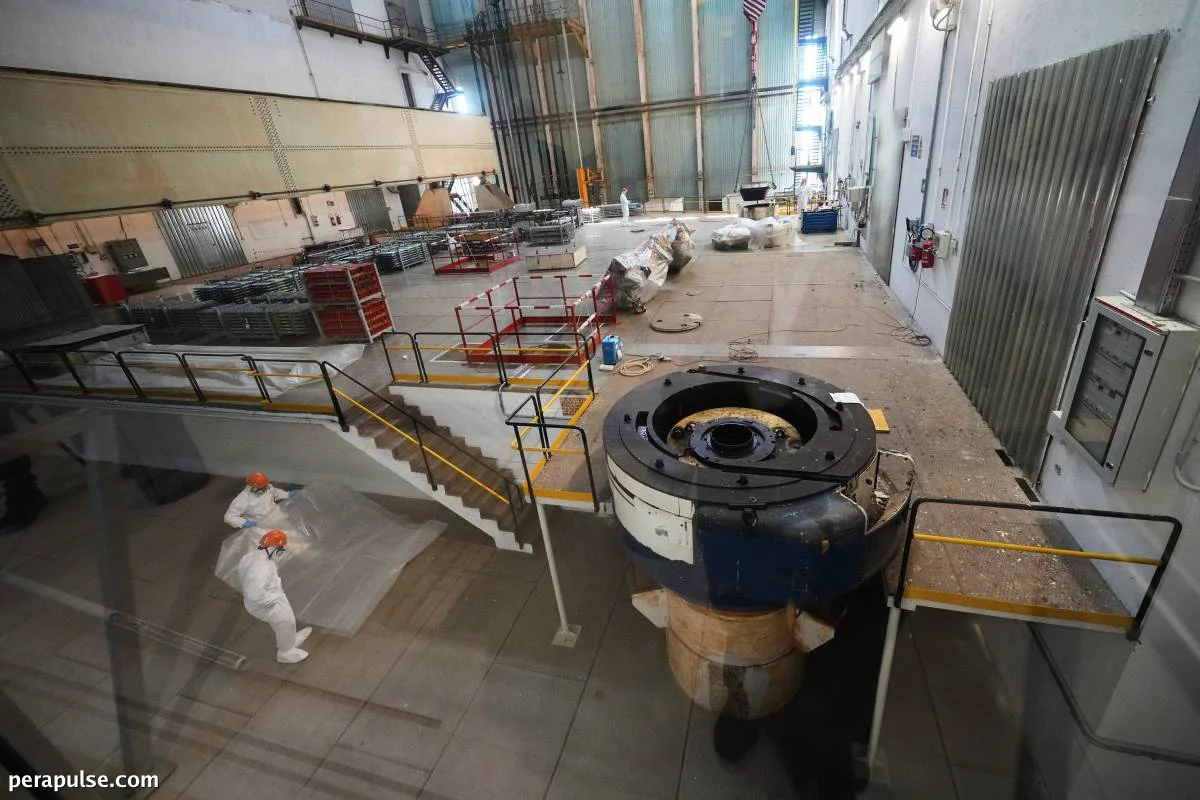
Sa isang makabuluhang pagbabago sa patakaran, ang gobyerno ng Italya ay nagtatrabaho upang buhayin ang enerhiyang nuklear, apat na dekada pagkatapos ng sakuna sa Chernobyl na nagdulot ng pambansang pag-ayaw sa atomic power. Layunin ng administrasyon ni Premier Giorgia Meloni na mapabuti ang seguridad sa enerhiya sa gitna ng mga geopolitical na tensyon, partikular ang mga krisis na nagmumula sa mga digmaan sa Ukraine at Iran.
Isang Bagong Perspektibo sa Enerhiyang Nuklear
Ang tungkulin ng gobyerno sa sandaling ito ay lumikha ng mga kondisyon upang ang mga magpapasya sa mga pasilidad ay makakagawa ng desisyon. (cite: Gilberto Pichetto Fratin, Ministro para sa Kapaligiran at Seguridad sa Enerhiya)
- Inaasahang maipapasa ang batas para sa mga teknolohiyang nuklear ng susunod na henerasyon sa susunod na linggo.
- Tumutok sa maliliit na modular na reaktor (SMRs) sa halip na malalaking planta.
Layunin ng batas ng gobyerno na maglatag ng isang legal na balangkas para sa mga advanced na teknolohiyang nuklear, na nagpapahintulot para sa paglisensya ng reaktor, mga pamantayan sa kaligtasan, at pamamahala ng basura sa loob ng isang taon. Ang inisyatibong ito ay sumusunod sa makasaysayang pagtanggi ng Italya sa kapangyarihang nuklear, na nag-disassemble ng programa nito matapos ang isang referendum noong 1987, at isang pangalawang pagkabigo upang buhayin ito matapos ang sakuna sa Fukushima.
Hindi tulad ng ibang mga bansang Europeo na yumakap sa kapangyarihang nuklear upang palakasin ang seguridad sa enerhiya, nahaharap ang Italya sa hamon ng muling pagtatayo ng isang industriya na nawasak dekada na ang nakalipas. Itinuro ng ministro ng enerhiya na ang demand para sa kuryente ay maaaring tumaas ng 30% sa susunod na dekada, na nangangailangan ng isang magkakaibang halo ng enerhiya.
Ang suporta ng publiko ay tila nagbabago, lalo na sa mga kabataang Italyano. Isang survey noong Hunyo 2026 ang nagpakita na 55% ng mga Italyano ay pabor sa pag-unlad ng mga planta ng nuklear ng susunod na henerasyon. Ang trend na ito ay iniuugnay sa isang mas batang demograpiko na nakikita ang enerhiyang nuklear bilang isang napapanatiling solusyon sa halip na isang relikya ng mga nakaraang sakuna.
Si Viviana Cruciani, na namamahala sa pag-disassemble sa planta ng kuryente ng nuklear sa Latina, ay nakapansin sa paghahating henerasyonal na ito. Ipinahayag ng mga kabataang Italyano ang pag-asa tungkol sa papel ng kapangyarihang nuklear sa pagtugon sa pagbabago ng klima at mga pangangailangan sa enerhiya.
Gayunpaman, may mga hamon pa rin. Nagtatanong ang mga kritiko tungkol sa ekonomikal na kakayahan ng kapangyarihang nuklear, na binabanggit ang mataas na gastos sa konstruksyon at potensyal na pagtutol ng publiko sa mga lokasyon ng reaktor. Ang kakulangan ng pambansang imbakan para sa basura ng nuklear ay higit pang nagpapalubha sa sitwasyon.
Habang umuusad ang Italya, ang tanawin ng politika ay maaaring magbago nang malaki batay sa opinyon ng publiko tungkol sa mga lokasyon ng reaktor at pamamahala ng basura. Ang potensyal para sa mga hinaharap na referendum ay nakabitin kung may mga tiyak na plano na ipapasa.