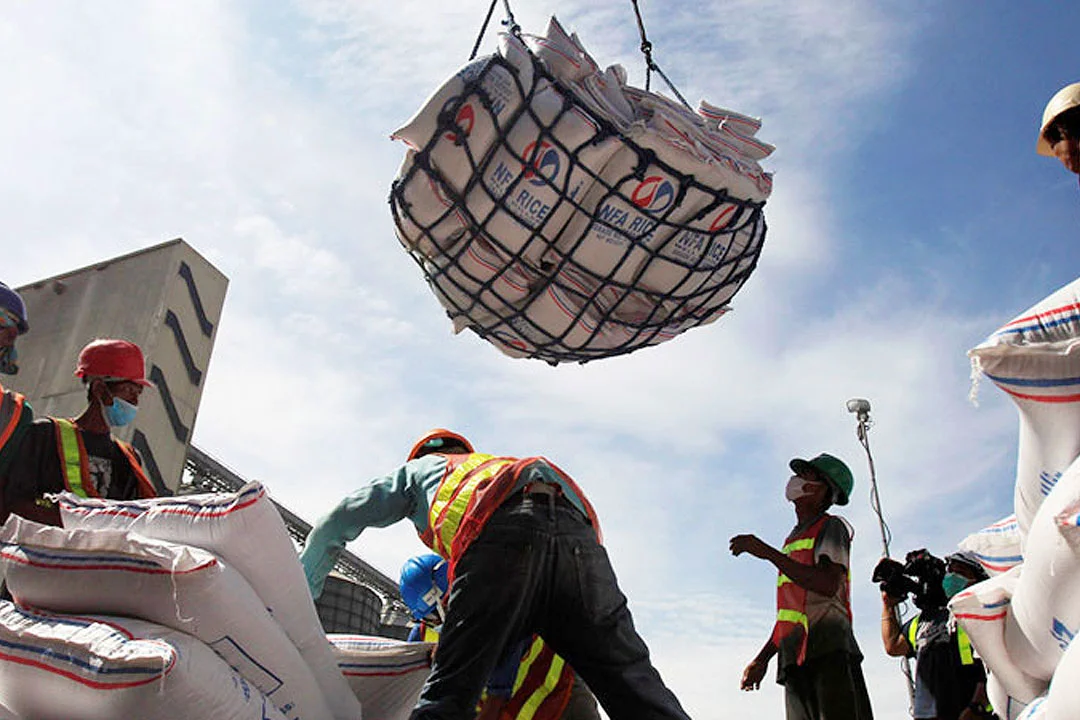
Si Pangulong **Ferdinand R. Marcos, Jr.** ay nagpatupad ng price cap na P50 bawat kilogram sa imported na bigas, isang mahalagang pangunahing pagkain para sa maraming pamilyang Pilipino. Ang desisyong ito ay naganap habang ang bansa ay humaharap sa tumataas na implasyon at isang patuloy na emergency sa enerhiya.
Ang bagong regulasyon, na nakasaad sa **Executive Order No. 118**, ay nilagdaan ni **Executive Secretary Ralph G. Recto** noong Mayo 13. Itinatakda nito ang price ceiling sa 5% na sirang imported na bigas para sa paunang 30-araw na panahon, na may pagsusuri tuwing 15 araw upang suriin ang pangangailangan para sa mga pagbabago.
Epekto sa mga Pamilyang Pilipino
Para sa maraming Pilipino, ang bigas ay hindi lamang pangunahing pagkain kundi isang pangangailangang pang-diyeta. Inaasahang magbibigay ang price cap ng agarang ginhawa sa mga mamimili na humaharap sa tumataas na gastos dulot ng implasyon, na umabot sa tatlong taong pinakamataas na 7.2% noong Abril.
Layunin ng hakbang na ito na pigilan ang mga pang-aabuso sa merkado tulad ng profiteering, na tinitiyak na ang bigas ay mananatiling maaabot at abot-kaya. Ang pamahalaan ni Ginoong Marcos ay nasa ilalim ng presyon upang patatagin ang mga presyo ng pagkain sa gitna ng tumataas na gastos na pinapagana ng mga pandaigdigang kaganapan, tulad ng patuloy na hidwaan sa Iran.
May pangangailangan para sa mga agarang hakbang upang protektahan ang mga mamimili sa pamamagitan ng pagpigil sa profiteering at iba pang mapang-abusong gawi sa merkado, at upang matiyak ang sapat na suplay, makatwirang pagpepresyo, at accessibility ng bigas para sa mga Pilipino.
(cite: Executive Order No. 118)
Ang **Philippine Competition Commission** at mga kaugnay na departamento ay inatasan na targetin ang mga kartel at pigilan ang mga anti-competitive na gawi sa merkado ng bigas. Bukod dito, ang **Bureau of Customs** ay binigyan ng kapangyarihan na sugpuin ang hoarding at smuggling, na pinatitibay ang pangako ng pamahalaan sa makatarungang gawi sa merkado.
Ang pamahalaan ay nakapagpatupad na ng ilang mga hakbang pang-emergency, kabilang ang mga targeted subsidies at suspensyon ng buwis sa mga pangunahing gasolina, upang mapagaan ang mga epekto ng krisis sa enerhiya. Habang umuusad ang sitwasyon, ang mga patakarang ito ay masusing susubaybayan upang matiyak na epektibo nilang pinoprotektahan ang mga mamimili.