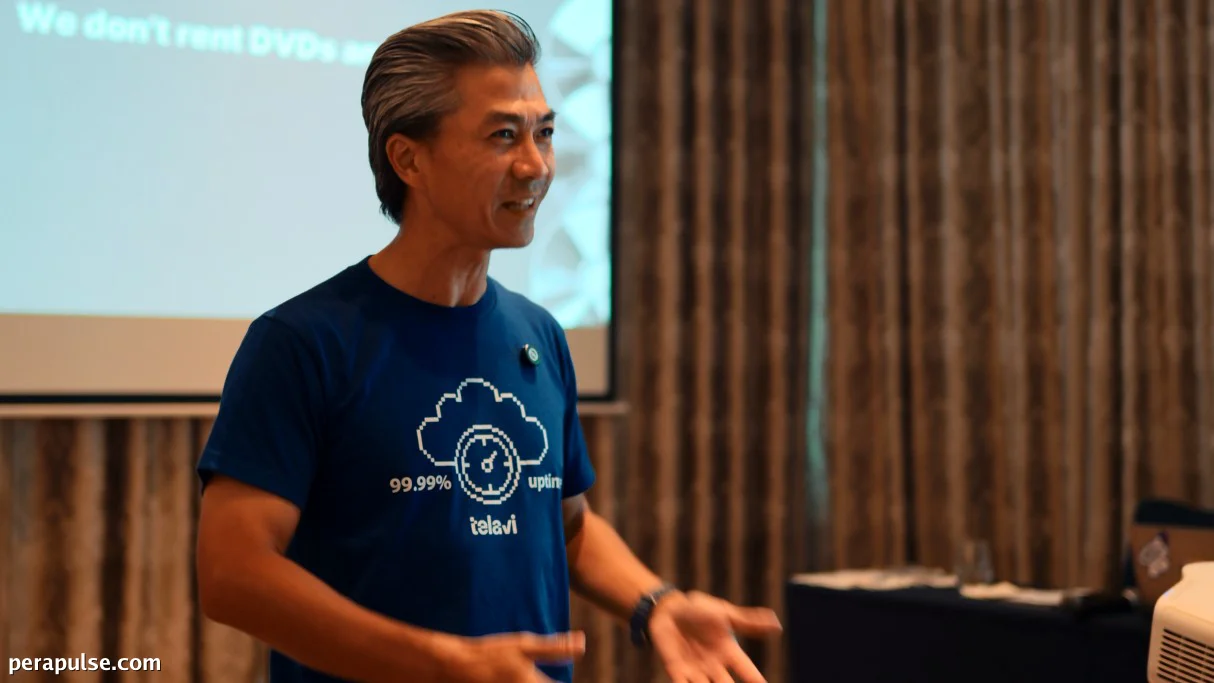
Ang Telavi, isang Filipino cloud communications company, ay tumutugon sa isang kritikal na hamon sa negosyo: ang mga pagkalugi sa pananalapi na nagmumula sa mga hindi nasagot na tawag ng customer. Sa mga istatistika na nagpapakita na humigit-kumulang 30% ng mga papasok na tawag sa negosyo ay hindi nasasagot, ang potensyal na pagkalugi sa kita ay nakakabigla.
Sa isang kamakailang media briefing, ibinahagi ni Erwin Co, CEO ng Telavi, ang mga pananaw kung paano nabibigo ang mga tradisyonal na sistema ng landline sa mga negosyo. Halimbawa, ang isang retailer ay nawalan ng humigit-kumulang P1 milyon buwan-buwan dahil sa mga hindi nasagot na tawag. Ang isyung ito ay lumala sa panahon ng pandemya, na nagbigay-diin sa agarang pangangailangan para sa mga modernong solusyon sa komunikasyon.
Ang Pinansyal na Epekto ng mga Nawalang Tawag
Ang hindi mo alam ay hindi ka masasaktan. Pero sa totoo lang, nasasaktan ka. (cite: Erwin Co, CEO ng Telavi)
- 85% ng mga tao na ang tawag ay hindi nasagot ay hindi na tumatawag muli.
- Ang Telavi ay nagsisilbi na ngayon ng humigit-kumulang 10,000 gumagamit sa 500-600 na mga organisasyon.
Ang problema ng mga hindi nasagot na tawag ay kadalasang hindi nakikita ng mga negosyo. Habang ang mga kumpanya ay nagtatala ng mga benta, bihira nilang isinasama ang mga nawawalang oportunidad kapag ang mga potensyal na customer ay umalis sa kanilang mga tawag. Ipinapakita ng analytics ng Telavi ang mga pananaw na dati ay hindi napansin, na nagbibigay-daan sa mga negosyo na maunawaan ang lawak ng kanilang mga nawawalang oportunidad.
Habang ang mga lugar ng trabaho ay umuunlad, nagbago ang mga inaasahan ng customer. Ngayon, inaasahan ang mga negosyo na maging accessible anuman ang lokasyon ng kanilang mga empleyado. Ang pagbabagong ito ay nagdulot ng pagtaas ng demand para sa mga sistemang komunikasyon na nakabatay sa ulap, na nagpapahintulot sa mga tawag na maipasa sa mga empleyado sa kanilang mga mobile device o laptop.
Ang paglipat ng Telavi sa cloud communications noong 2020 ay nagbigay-daan sa kanila na matugunan ang lumalaking demand na ito. Sa mga tampok tulad ng awtomatikong redireksyon ng tawag at mga tool sa pakikipag-ugnayan ng customer na pinapagana ng AI, tinutulungan ng kumpanya ang mga kliyente sa iba't ibang sektor, kabilang ang retail, healthcare, at edukasyon, na mapabuti ang kanilang kakayahan sa komunikasyon.
Inaasahang lalawak nang malaki ang merkado ng telecom na nakabatay sa ulap, kung saan ang Unified Communications as a Service (UCaaS) ay inaasahang lalago sa isang taunang rate na 20% hanggang 2030. Ang paglago na ito ay sumasalamin sa mas malawak na trend sa digital transformation, habang kinikilala ng mga negosyo ang pangangailangan na i-modernize ang kanilang imprastruktura sa komunikasyon.