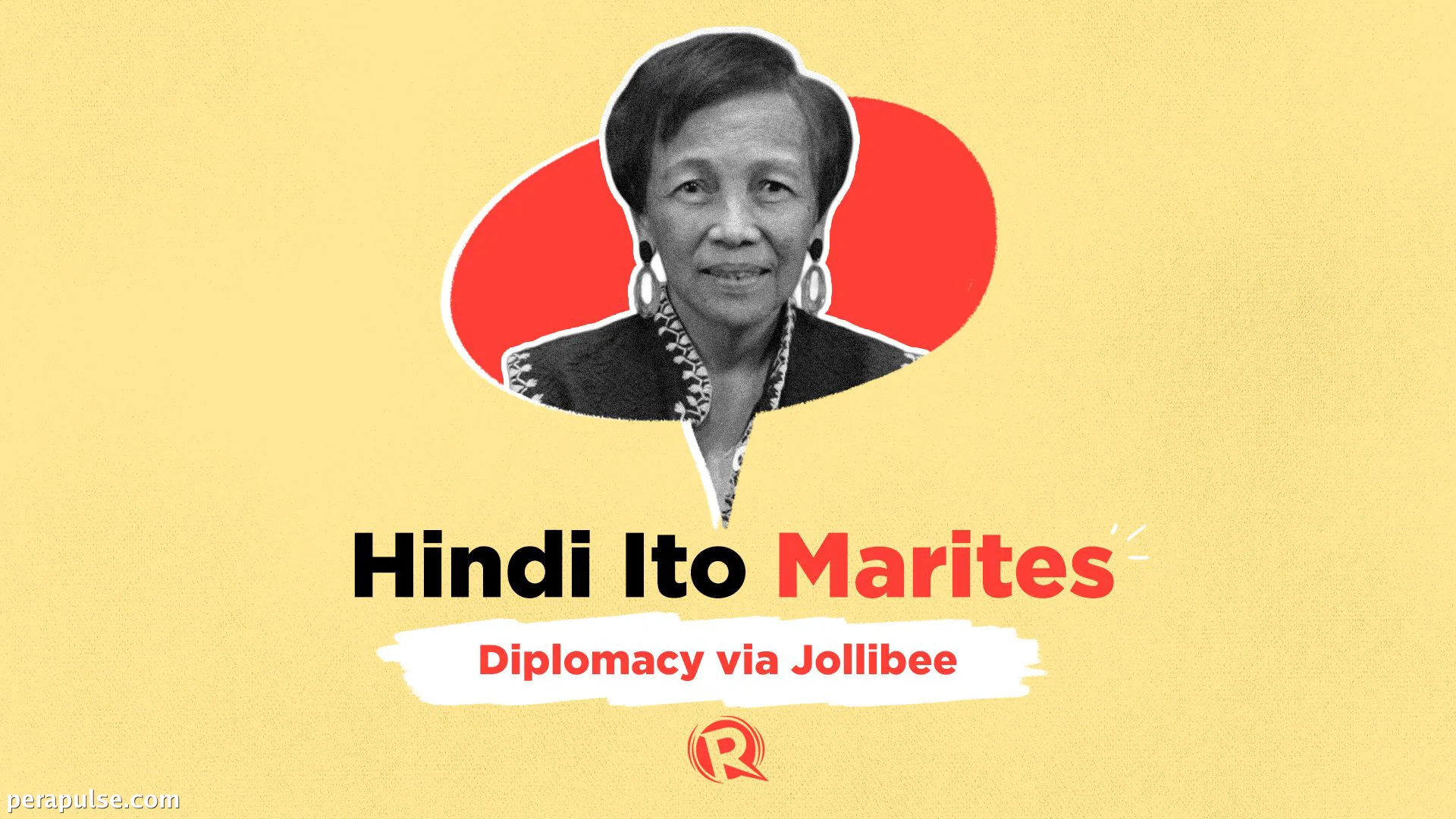
Ang Jollibee, ang minamahal na fast-food chain ng Pilipinas, ay may nakakagulat na papel sa pandaigdigang diplomasya. Ang mga kamakailang pagbisita ng mga lider ng mundo sa mga sangay nito ay nagpapakita kung paano ang pagkain ay maaaring magtulay ng mga kultura at magpatibay ng mga ugnayang bilateral.
Pinili nina Canadian Prime Minister Justin Trudeau at New Zealand's Prime Minister Christopher Luxon ang Jollibee bilang lugar para sa mga diplomatikong pakikipag-ugnayan sa Pangulong Pilipino Ferdinand Marcos Jr. Ang kanilang mga pagbisita ay nagmamarka ng lumalaking trend kung saan ang pagkain ay nagsisilbing backdrop para sa mga talakayan at pagbuo ng relasyon.
Isang Panlasa ng Tahanan para sa mga Lider
Ang Jollibee ay hindi lamang tungkol sa fast food; ito ay sumasagisag sa pagkaka-host ng mga Pilipino at kultura sa pandaigdigang entablado.
(cite: Marites Dañguilan Vitug, Editor-at-Large)
Ang mga pagkikita na ito sa Jollibee ay lampas sa simpleng kasiyahan sa pagkain. Sinasalamin nito ang pagkilala sa mga kontribusyon ng kultura ng Pilipinas, na nagpapalakas ng soft power sa pamamagitan ng mga pinagsasaluhang pagkain.
- Ang Chickenjoy ng Jollibee ay naging paborito ng mga lokal at banyaga.
- Ang kasikatan ng chain ay mabilis na lumalaki, na may mga sangay na lumalawak sa pandaigdigang antas.
Habang patuloy na umuunlad ang Jollibee bilang isang pandaigdigang tatak, ang papel nito sa diplomasya ay nagpapakita kung paano ang mga simbolo ng kultura ay maaaring magpahusay ng mga ugnayang pandaigdig. Ang trend na ito ay maaaring muling hubugin ang paraan ng mga bansa sa paglapit sa mga diplomatikong diyalogo, na isinasama ang mga pinagsasaluhang karanasan sa pagkain.