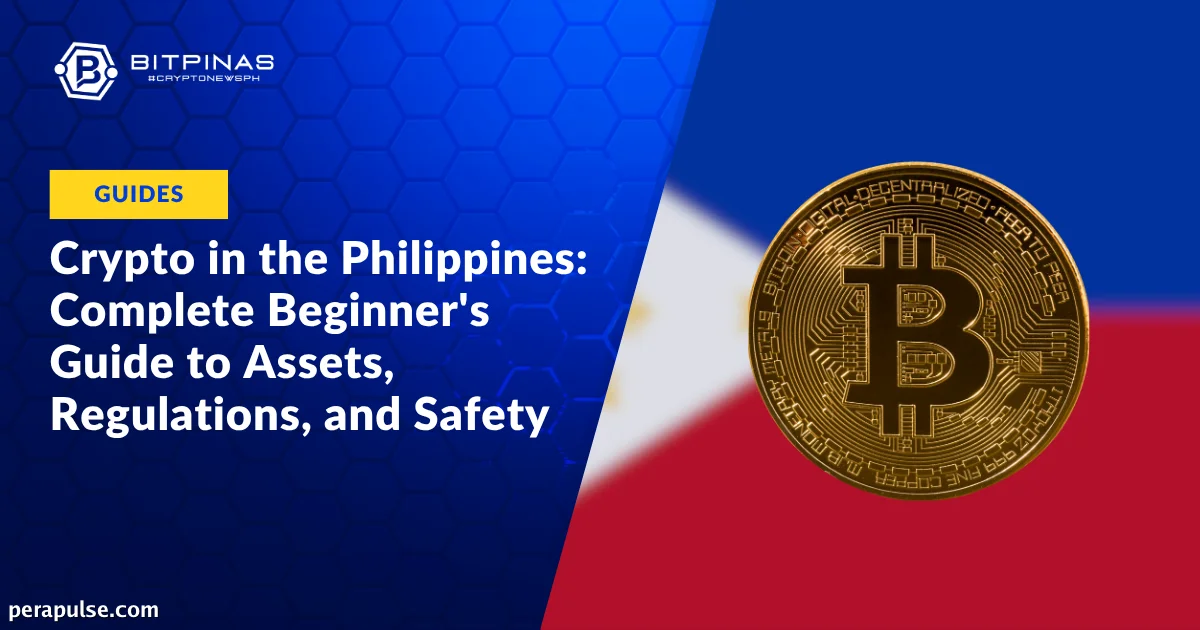
Cryptocurrency is becoming increasingly popular in the Philippines, providing opportunities for investment and financial innovation. However, navigating this space requires understanding the legal landscape and safety measures involved.
Understanding Cryptocurrency
Cryptocurrency refers to digital assets that utilize blockchain technology to facilitate transactions without relying on traditional banking systems. Bitcoin, launched in 2009, remains the most recognized cryptocurrency, serving as a digital alternative to traditional currencies.
Owning and trading cryptocurrency is legal in the Philippines, but crypto is not legal tender.
Bangko Sentral ng Pilipinas
- Digital assets are traded on decentralized networks.
- Philippine regulatory bodies oversee crypto transactions.
- Investors must be aware of market volatility.
In the Philippines, cryptocurrency regulations fall primarily under the jurisdiction of the Bangko Sentral ng Pilipinas (BSP) and the Securities and Exchange Commission (SEC). This regulatory framework aims to protect consumers and ensure proper oversight of virtual asset service providers.
Regulatory Landscape
The BSP regulates virtual asset service providers, while the SEC oversees token offerings and investment schemes. Despite cryptocurrency being legal for trading and ownership, it is crucial for users to engage only with licensed platforms to ensure compliance and safety.
Buying and Storing Cryptocurrency
To purchase cryptocurrency, Filipinos can use various platforms, including licensed exchanges like Coins.ph and PDAX. The process typically involves registering an account, verifying identity, and depositing funds.
Staying Safe in the Crypto Space
Crypto investors must take precautions against scams and fraud. Common signs include promises of guaranteed returns, pressure tactics, and requests for upfront fees. Utilizing secure wallets and enabling two-factor authentication can help protect assets.
Conclusion
As the cryptocurrency landscape evolves, understanding the local regulations and safety practices will be vital for Filipinos looking to invest. With proper knowledge and vigilance, individuals can navigate this digital frontier more safely.