In a significant move to boost agricultural productivity, the Cebu City Council has approved a ₱9.15 million budget for the purchase of 122 tractors. This funding is targeted at enhancing farming operations in the city's mountain barangays.
Details of the Tractor Acquisition
This procurement aligns with our goal of providing efficient services to our constituents, particularly in mountain barangays.
Joelito Baclayon, City Agriculturist
- 62 crawler-type hand tractors valued at ₱4.65 million
- 60 multi-cultivators worth ₱4.5 million
The allocation, which includes 62 crawler-type hand tractors and 60 multi-cultivators, is part of the city's 2025 capital outlay plan. Each tractor costs ₱75,000, aiming to enhance agricultural efficiency for local farmers.
The resolution, sponsored by Councilor Alvin Arcilla, received unanimous approval during the council meeting on June 16. It allows the City Agriculture Department to utilize the Local Development Fund for this initiative.
Background on Agricultural Investments
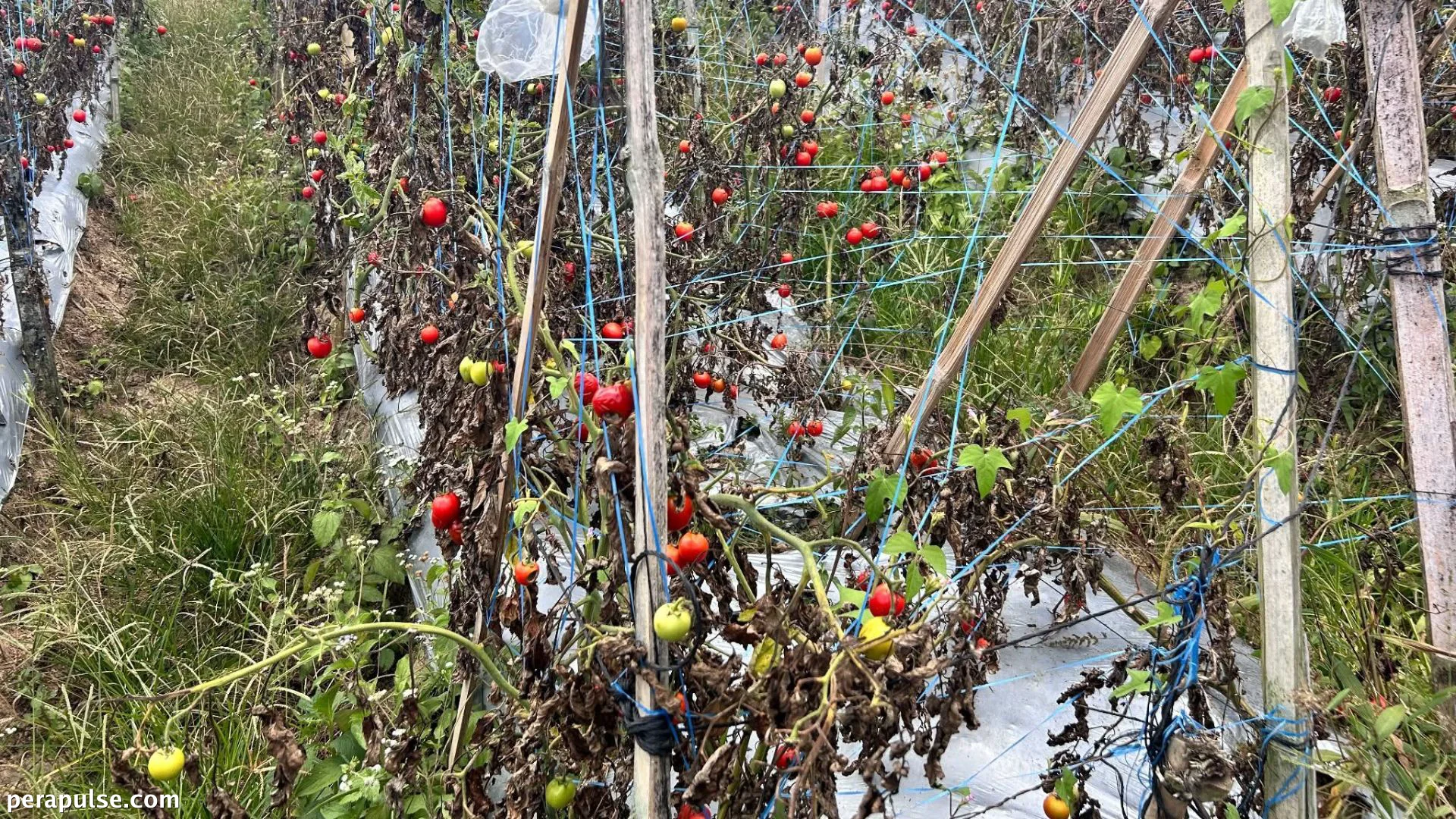
This allocation follows a previous approval of ₱30 million under the Supplemental Budget for measures to mitigate the impacts of El Niño. Local farmers have faced challenges such as droughts and extreme heat, which have severely affected crop yields.
Cebu City's investment in agricultural equipment is part of a broader strategy to enhance support for farmers. The City Agriculture Department has been implementing various programs, including irrigation support and greenhouse projects.
As climate conditions continue to fluctuate, the city has been proactive in providing resources to help farmers adapt. This includes funding for water pumps and irrigation systems to combat the adverse effects of prolonged dry spells.