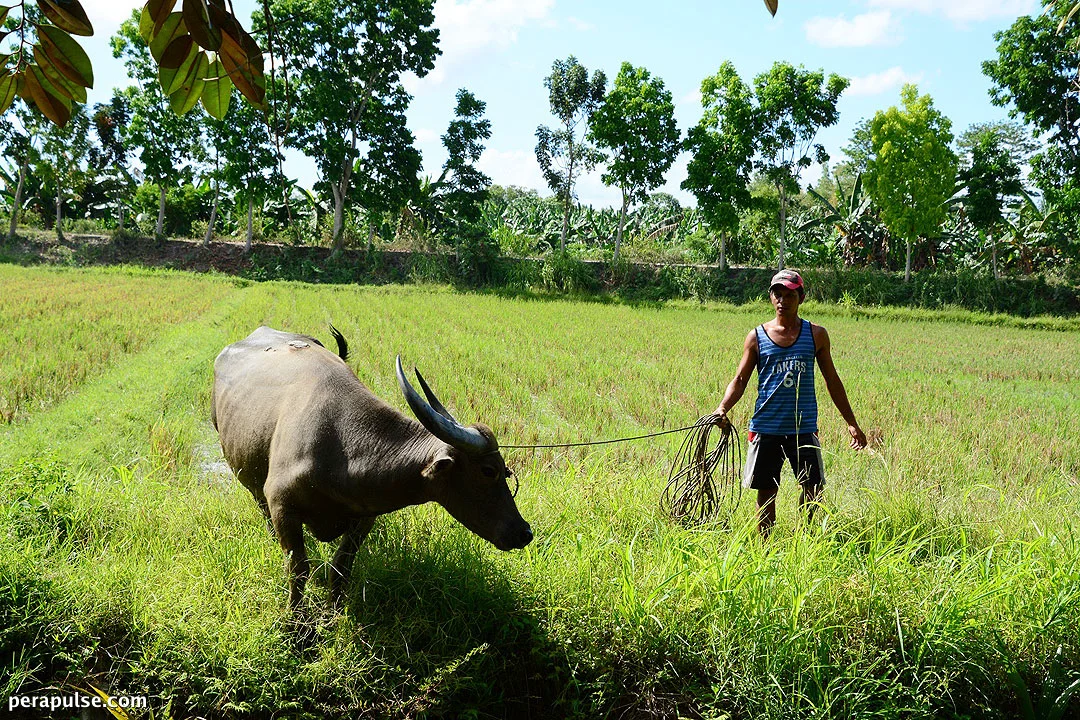
The increasing demand for carabeef has prompted a critical response from the House of Representatives Special Committee on Food Security. Experts at a recent hearing highlighted the risks posed by carabao diseases, which could impact both animal health and food safety.
Zoonotic Diseases Present Significant Risks
Fasciolosis infections were detected in 35 carabaos between 2016 to 2018.
Martin L. Gregorio, Professor at University of Santo Tomas
During the hearing, Professor Martin L. Gregorio presented findings on liver flukes and their potential impact on livestock and public health. The Philippine Statistics Authority estimates the national carabao population at 2.71 million, with approximately 1.7% used for meat production.
Other diseases affecting carabaos include anthrax, which has impacted 59 animals from 2022 to 2026, resulting in two fatalities. Agriculture officials are implementing measures to manage these outbreaks.
- Foot-and-mouth disease vaccinations are stockpiled by the Department of Agriculture.
- Increased carabao consumption is a direct result of the African Swine Fever outbreak.
Assistant Secretary Benjamin C. Albarece noted that the African Swine Fever led to a significant decline in the swine population, driving consumers to carabeef as an alternative. He stated, "Half of our swine population was lost so we lacked pork supplies and prices went up."
To ensure food safety and animal health, Marvin A. Villanueva of the Philippine Carabao Center emphasized the need for enhanced disease monitoring and local government support in animal health planning.