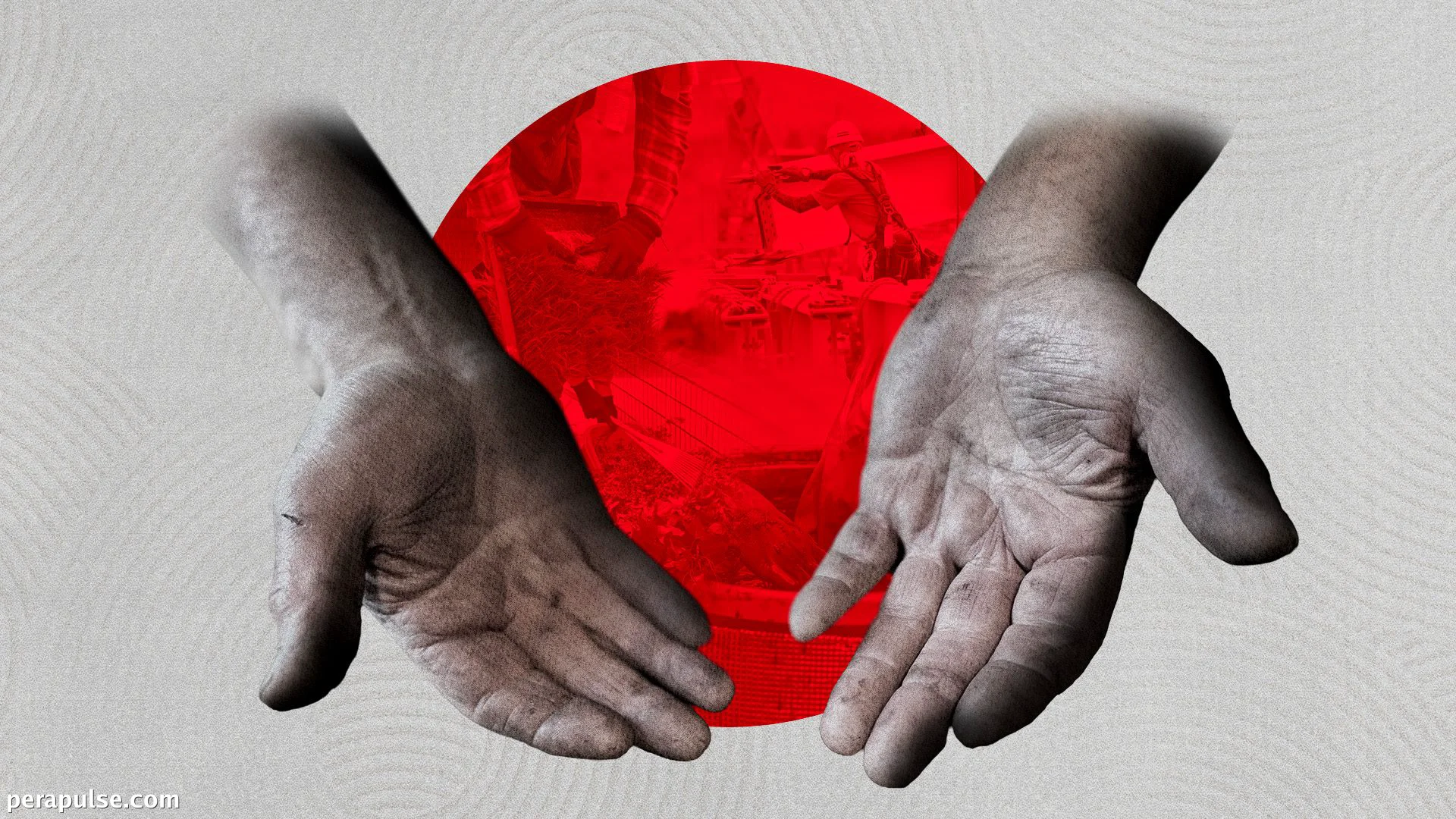
Ang Philippine Chamber of Commerce and Industry sa Japan (PCCIJ) ay kamakailan lamang nagdiwang ng ika-50 anibersaryo nito sa Tokyo, na nagbigay ng isang makasaysayang okasyon upang pagnilayan ang umuunlad na relasyon sa pagitan ng Pilipinas at Japan. Ipinakita ng kaganapang ito kung paano ang wika ay nagsisilbing mahalagang ugnayan sa pagpapalalim ng koneksyon sa mga tao mula sa parehong bansa.
Isang Pagdiriwang ng mga Pinagsamang Paglalakbay
Si Allan Reyes, ang chairman ng PCCIJ, ay nagbukas ng kaganapan sa isang walang putol na paglipat mula sa Hapon patungo sa Ingles, na nahuli ang atensyon ng mga tagapakinig. Ang kanyang kasanayan sa maraming wika ay patunay ng mga pinagsamang karanasan ng mga taong bumuo ng kanilang mga buhay sa pagitan ng Pilipinas at Japan.
Nagsimula si Reyes ng kanyang paglalakbay sa Japan mahigit tatlong dekada na ang nakalipas bilang isang estudyanteng high school, na nagtatrabaho sa iba't ibang part-time na trabaho bago itatag ang isang matagumpay na consultancy. Ang kanyang kwento ay umaabot sa maraming dumalo na katulad na nag-navigate sa mga kumplikadong aspeto ng pamumuhay sa iba't ibang kultura.
Ang pinakamalakas na tulay sa pagitan ng dalawang bansa ay palaging ang mga tao na pumipili na bumuo ng buhay sa kanilang pagitan. (cite: Allan Reyes, PCCIJ Chairman)
- Ang PCCIJ ay nagtutulak ng mga ekonomikong ugnayan sa pagitan ng dalawang bansa.
- Ang wika ay may mahalagang papel sa pagtatayo ng tiwala at pagpapadali ng komunikasyon.
Ang gabi ay hindi lamang nag-highlight sa mga tagumpay ng PCCIJ kundi pati na rin sa mga indibidwal na paglalakbay ng libu-libong nag-ambag sa relasyon sa pagitan ng Pilipinas at Japan. Habang ang dalawang bansa ay nagmarka ng 70 taon ng diplomatikong relasyon, ang kahalagahan ng komunidad at wika ay nagiging lalong maliwanag.
Ipinapakita ng datos na sa pagtatapos ng 2025, tinatayang 261,000 Pilipino ang nagtatrabaho sa Japan, isang bilang na patuloy na tumataas habang ang Japan ay humaharap sa kakulangan sa paggawa. Ang pagpasok na ito ay sumasalamin sa mga kapwa benepisyo na nagmumula sa palitan ng kultura, kasanayan, at paggawa.
Gayunpaman, sa likod ng mga kahanga-hangang estadistika ay naroon ang mas masalimuot na kwento. Ang pag-navigate sa mga legal na sistema, mga isyu sa pagsunod, at mga pagkakaiba sa kultura ay kadalasang nagiging hamon na maaaring maglagay sa panganib ng mga taon ng pagsisikap. Para sa maraming Pilipino sa Japan, ang pagiging kabilang ay isang patuloy na pagsisikap, na nangangailangan ng tuloy-tuloy na pagbabantay sa mga regulasyon at pamamaraan.
Ang anibersaryo ng PCCIJ ay isang pagkakataon para sa mga dumalo na makilahok sa masiglang talakayan, na lumilipat-lipat sa pagitan ng Hapon, Ingles, at Filipino. Ang fluidity ng wika na ito ay sumasalamin sa diwa ng kanilang mga pinagsamang karanasan at ang espiritu ng pagtutulungan na naglalarawan sa komunidad ng mga Pilipino sa Japan.
Habang nagtatapos ang gabi, ang atmospera ay puno ng enerhiya ng mga bagong koneksyon at potensyal na pakikipagsosyo. Ang mga interaksyong ito ay nagbigay-diin sa isang mahalagang katotohanan: ang mga ugnayang nabuo sa pamamagitan ng mga pinagsamang hamon at aspirasyon ang tunay na nagpapalakas sa mga ugnayan sa pagitan ng mga bansa.