Wednesday, July 22, 2026
BusinessANALYSIS

Bangko Sentral Offers Banks Temporary Relief on Paper Losses Amid Market Volatility

New policy may shield banks from immediate losses but raises concerns over risk management.

MD

Mateo Dela Cruz

June 27, 20265 min read50 views
Bangko Sentral Offers Banks Temporary Relief on Paper Losses Amid Market Volatility
BSP's recent policy could impact the banking sector's approach to risk management.
Share:

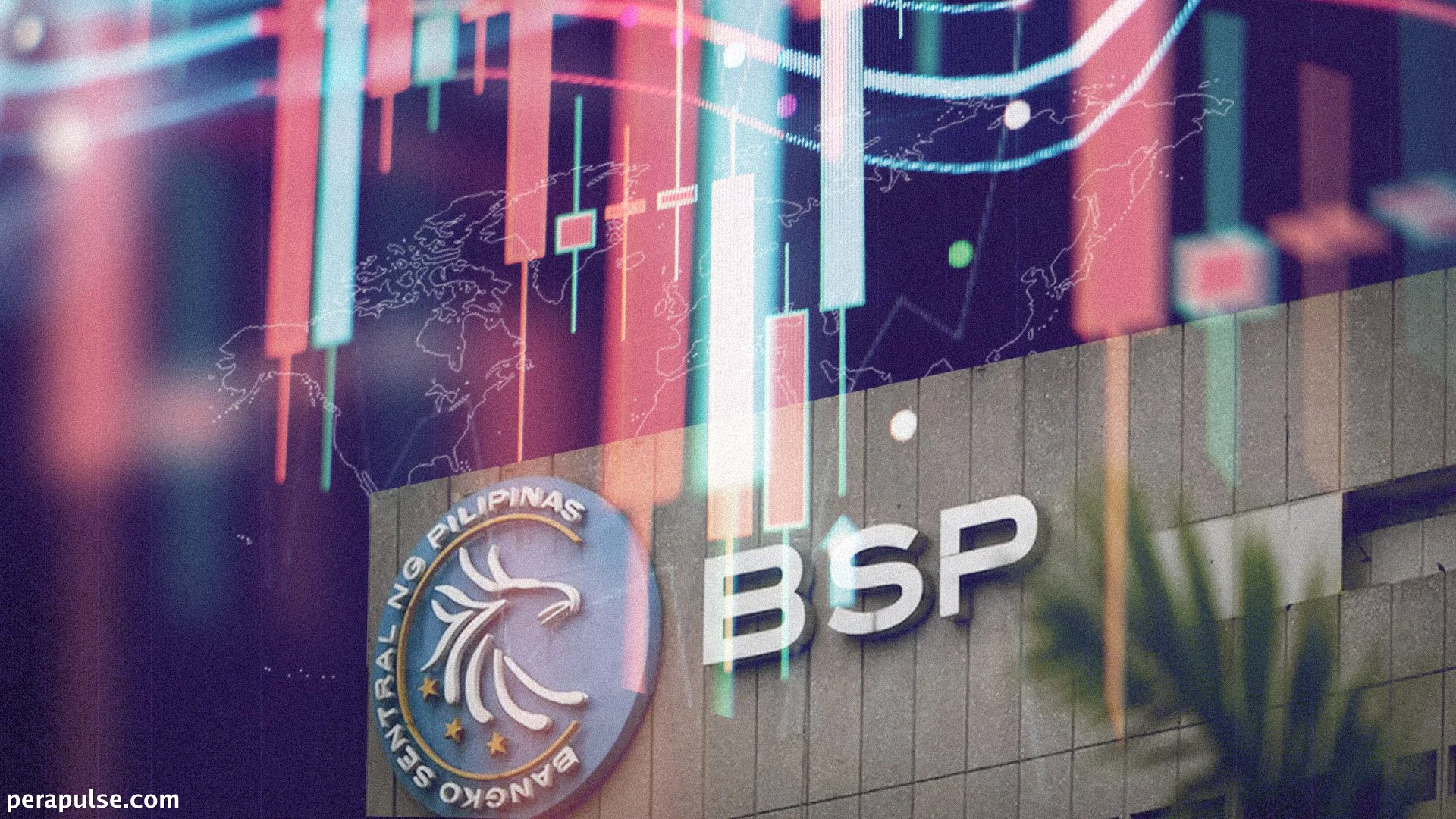
The Bangko Sentral ng Pilipinas (BSP) has introduced a temporary measure allowing banks to exclude unrealized losses on certain government securities from their regulatory capital calculations. This decision, effective from April 1 to December 31, 2026, aims to protect banks from the adverse effects of recent market volatility.

A Closer Look at the Relief Measures

Under Memorandum No. M-2026-027, banks can set aside paper losses on peso government securities categorized as 'fair value through other comprehensive income' (FVOCI). This category includes securities not yet sold but whose market value fluctuations impact capital ratios.

The BSP’s policy choice nevertheless raises legitimate policy questions. Regulatory relief inevitably creates some degree of moral hazard.

Diwa Guinigundo, Former BSP Deputy Governor

The BSP's move is a response to rising yields driven by geopolitical tensions, particularly in the Middle East, which have shaken financial markets. As yields increase, bond prices typically decrease, leading to paper losses for banks.

Potential Risks of Moral Hazard

Critics argue that while the BSP's intervention may provide short-term stability, it could lead banks to adopt a more aggressive risk profile. If banks come to expect regulatory leniency during downturns, they might engage in riskier lending practices.

Moody’s Ratings has expressed concern, labeling the BSP's relief as 'credit negative.' They noted that unrealized losses could range from 1.2% to 4.3% of Common Equity Tier 1 (CET1) capital, raising questions about the actual resilience of Philippine banks.

Moreover, Fitch Ratings highlighted risks beyond bond holdings, particularly the rapid growth of unsecured consumer loans, which could elevate default rates amid economic pressures.

Long-Term Financial Stability

Despite these concerns, the BSP reassures that Philippine banks are equipped to handle potential shocks. The central bank emphasizes maintaining strong governance and prudent credit standards.

As the relief period progresses, the challenge will be balancing immediate stability with long-term financial discipline. The BSP's monitoring efforts and regulatory safeguards will be vital in ensuring that banks do not stray from sound risk management practices.