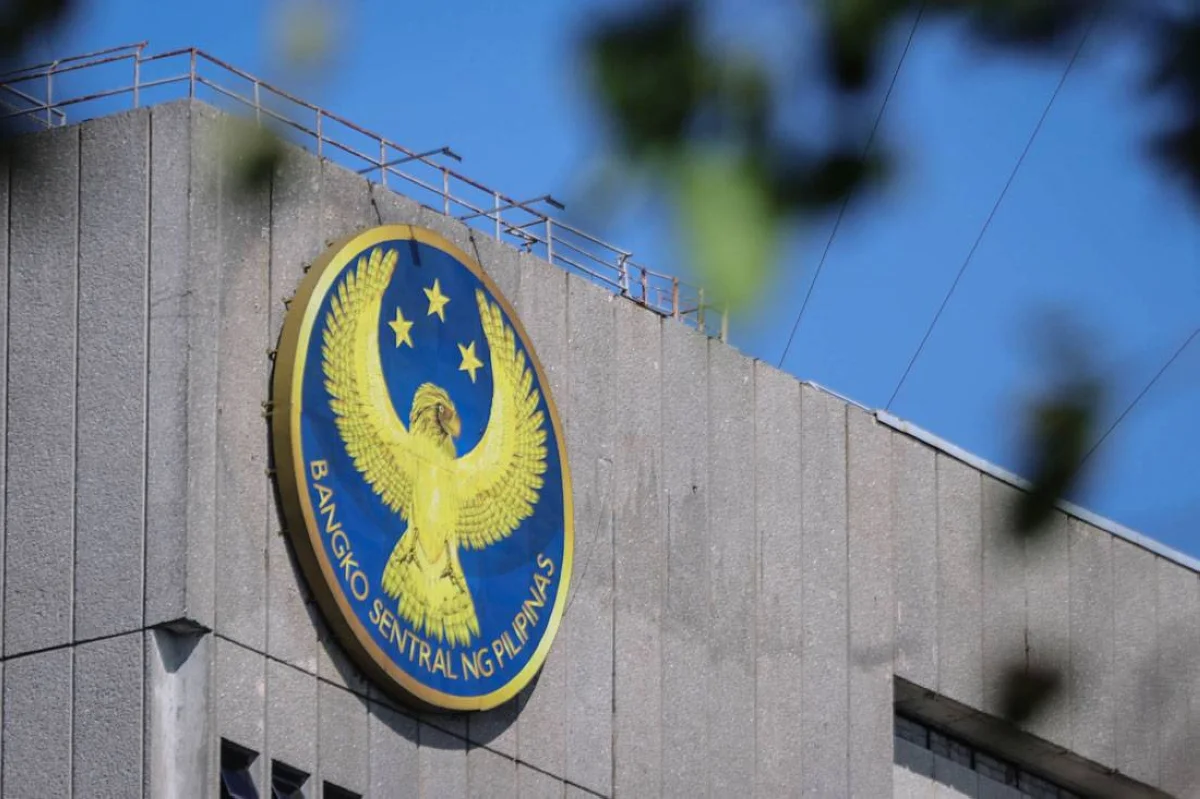
Inilabas ng Bangko Sentral ng Pilipinas (BSP) ang isang direktiba sa mga bangko at mga kumpanya ng pagbabayad upang palakasin ang mga proteksyon para sa mga sistemang pagbabayad na may QR. Ang hakbang na ito ay bahagi ng patuloy na pagsisikap ng sentral na bangko na tugunan ang mga panganib na may kaugnayan sa pandaraya at money laundering.
Sa kanyang Memorandum M-2026-017, binigyang-diin ng BSP na ang mga institusyong nasa ilalim ng kanilang pangangasiwa ay dapat tiyakin na ang kanilang mga proseso sa onboarding ng account, pagmamanman ng merchant, at pag-settle ng pagbabayad ay epektibo at naaayon sa mga kaugnay na panganib.
Ang direktiba ay umaayon sa National Payment Systems Act, na nagbibigay kapangyarihan sa BSP na tiyakin ang kaligtasan at pagiging maaasahan ng pambansang sistema ng pagbabayad. Binanggit din nito ang Anti-Money Laundering Act, na naglalayong pigilan ang Pilipinas na magamit para sa mga ilegal na aktibidad sa pananalapi.
Mga Pangunahing Kinakailangan para sa mga Institusyong Pinansyal
Hinimok ng BSP ang mga institusyong nasa ilalim ng kanilang pangangasiwa na panatilihin ang mahigpit na mga kontrol laban sa money laundering. Kasama dito ang masusing pagmamanman ng mga aktibidad sa pagbabayad sa lahat ng channel, tulad ng mga electronic fund transfers at QR transactions.
Ang mga kontrol sa integridad para sa mga aktibidad sa pagbabayad ay dapat na nakabatay sa maayos na pagbubukas ng account, onboarding, at patuloy na pagmamanman ng account. (cite: Bangko Sentral ng Pilipinas)
Dapat tiyakin ng mga institusyong pinansyal na ang mga aktibidad sa pagbabayad ng merchant, lalo na ang mga kinasasangkutan ng mga payment aggregator, ay sumusunod sa matibay na mga pamantayan ng AML. Nilinaw ng BSP na ang presensya ng mga payment aggregator ay hindi nagpapababa ng responsibilidad ng mga bangko at mga kumpanya ng pananalapi pagdating sa pagsunod sa AML.
Inaasahan din na tutuparin ng mga payment aggregator ang kanilang sariling mga obligasyon sa AML, kabilang ang pagsasagawa ng masusing due diligence at pagmamanman ng mga merchant.
Pinalakas na Mga Hakbang sa Pagmamanman
Kabilang sa mga bagong hakbang ang mga kinakailangan para sa mga institusyon na ma-access ang impormasyon ng sub-merchant, mag-aplay ng risk-based onboarding protocols, at magsagawa ng regular na pagsusuri ng mga profile ng merchant. Dapat ding ihiwalay ng mga institusyon ang mga merchant at personal na account.
Binigyang-diin ng BSP ang kahalagahan ng patuloy na pagmamanman ng merchant upang matiyak na ang mga aktibidad ng account ay naaayon sa mga lehitimong operasyon ng negosyo.
Ang mga alalahanin tungkol sa 'mule merchants' at maling paggamit ng QR code ay nag-udyok sa BSP na hikayatin ang mga institusyon na ipatupad ang mga risk-based strategies upang matukoy ang mga ganitong aktibidad.
Pagsisikap para sa Kaligtasan sa mga QR Transactions
Muling binigyang-diin ng BSP na ang lahat ng mga institusyong pinansyal na kasangkot sa mga serbisyong pagbabayad na may QR ay dapat unahin ang kaligtasan para sa lahat ng mga partido na kasangkot. Kasama dito ang pagsasagawa ng customer at merchant due diligence at pagsunod sa mga itinatag na hakbang sa kontrol ng panganib.
Habang patuloy na lumalaki ang kasikatan ng mga digital payments, ang pinakabagong mga hakbang ng BSP ay naglalayong tiyakin ang isang ligtas na kapaligiran para sa parehong mga mamimili at negosyo.