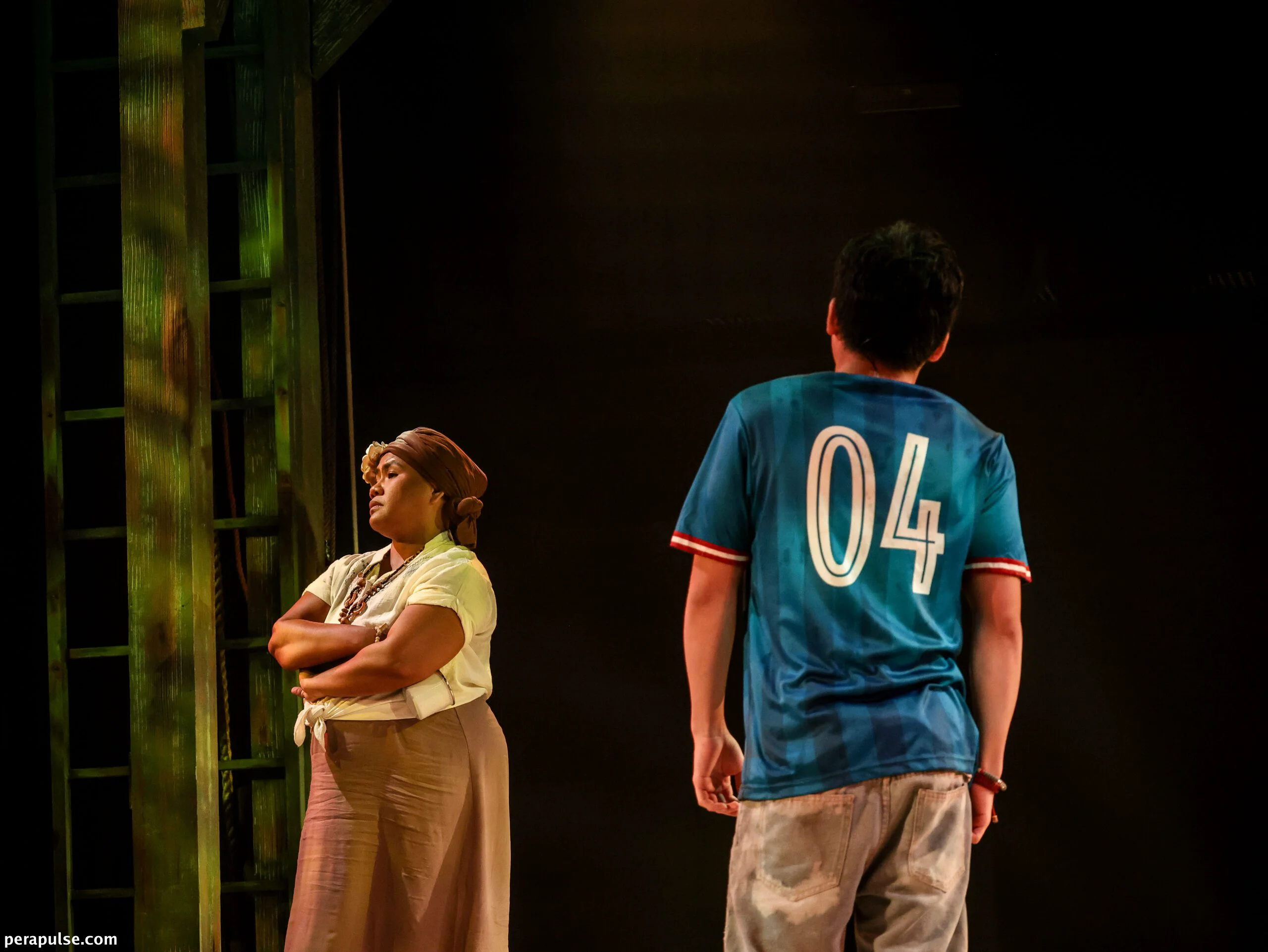
'Yemaya' ay isang makabagong produksyong teatrikal na humahamon sa mga tradisyunal na hangganan sa teatro ng Pilipinas. Pinangunahan ni Ed Lacson Jr., ang dula ay inangkop mula sa orihinal na Ingles na script ni Quiara Alegría Hudes, na nangangailangan ng maingat na pagsasalin sa Filipino.
Isang Natatanging Hamon sa Sining
Ang dula, na itinanghal ng 9 Works Theatrical, ay nagdadala sa mga manonood sa isang mapangarapin na mundo sa ilalim ng tubig. Sa mga nakakamanghang visual at nakakaantig na tunog, sinisiyasat nito ang mga tema ng imigrasyon, mga pangarap, at katatagan.
'Gusto kong ang produksyong ito ay nasa Tagalog. Iyon ay hindi mapag-uusapan para sa akin,' sabi ni director Ed Lacson Jr.
Ang dedikasyon ni Lacson sa isang bersyon ng dula sa Filipino ay nag-ugat mula sa pagnanais na ipakilala ang mga bagong boses sa lokal na teatro. Ang kanyang pakikipagtulungan kay Eljay Castro Deldoc, isang award-winning na manunulat at tagasalin, ay napakahalaga.
Ang Proseso ng Pagsasalin
Hinarap ni Deldoc ang doble na responsibilidad ng pagiging tapat sa orihinal na pananaw ni Hudes habang nahuhuli rin ang interpretasyon ni Lacson. Binibigyang-diin niya ang kahalagahan ng pagpapanatili ng diwa ng dula.
'Kailangan kong maging tapat sa orihinal na materyal, ngunit kailangan ko ring maiparating ang pananaw ni Ed,' ibinahagi ni Deldoc. Ang kanyang paunang draft ay dumaloy nang maayos, na naimpluwensyahan ng mga ibinahaging karanasan sa kultura.
Pag-navigate sa mga Nuance ng Kultura
Isang pangunahing hamon sa pagsasalin ay ang pagtitiyak na habang ang diyalogo ay nasa Filipino, ang setting ay nananatiling tiyak na hindi Pilipino. Sinadyang hindi isama nina Lacson at Deldoc ang mga terminong partikular sa kultura tulad ng 'opo' at 'po' upang mapanatili ang pagkakaibang ito.
'Gusto kong maging malinaw na hindi ito nakaset sa Pilipinas,' ipinaliwanag ni Lacson.
Pakikipagtulungan sa mga Aktor
Ang mga aktor ay may mahalagang papel sa pagbibigay-buhay sa pagsasalin. Pinili ni Lacson ang isang magkakaibang cast na makakapag-navigate sa eleganteng wikang Filipino na nilikha ni Deldoc.
'Ang mga aktor ang ikatlong bahagi ng palaisipan,' itinuro ni Lacson, na binibigyang-diin ang kanilang kontribusyon sa paghubog ng huling pagsasalin.
Isang Bagong Diyalogo sa Kultura
'Yemaya' ay humahamon sa mga manonood na makilahok sa mga kumplikadong tema at simbolo. Sa pamamagitan ng pagsasama ng mga wika at mga sanggunian sa kultura, ang produksyon ay lumilikha ng espasyo para sa diyalogo tungkol sa pagkakakilanlan at pag-aari.
Habang nagmuni-muni si Lacson sa proseso, kinilala niya ang hirap ngunit pangangailangan ng pagtulak sa mga hangganan ng paglikha. 'Ano ang silbi kung madali lang ang mga bagay?' naisip niya.