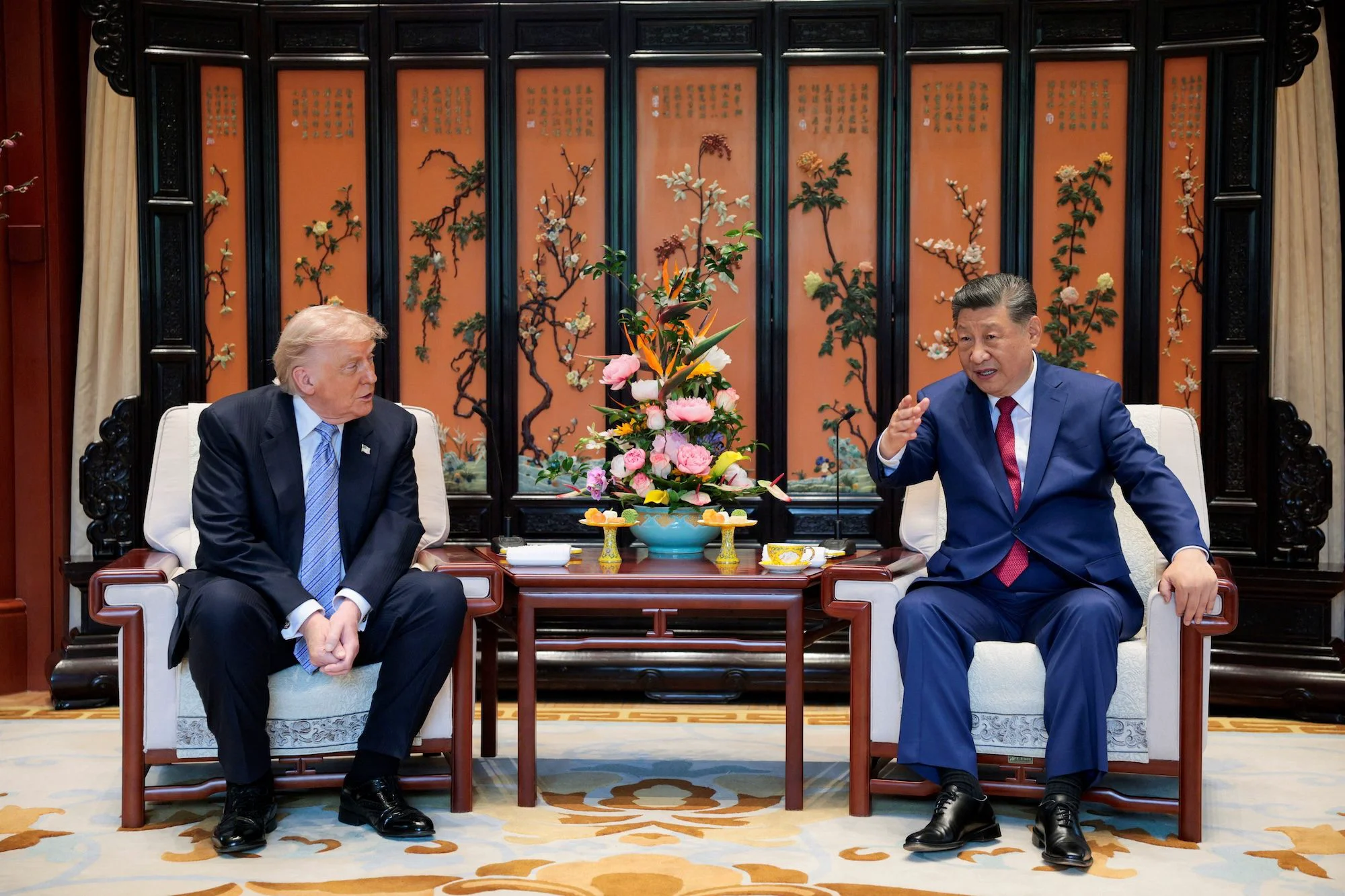
During a meeting in Beijing on May 15, 2026, U.S. President Donald Trump and Chinese President Xi Jinping agreed that Iran cannot be allowed to develop nuclear weapons. This agreement comes as both leaders face the pressing challenges posed by the ongoing conflict in the region.
Trump expressed frustration with Iran's actions, stating that his tolerance is waning. He emphasized the need for Iran to reopen the Strait of Hormuz, a crucial maritime route for global oil shipments that Iran has largely closed due to recent hostilities.
'We’ve settled a lot of different problems that other people wouldn’t have been able to solve,' Trump stated following his discussions with Xi.
Donald Trump, U.S. President
The Strait of Hormuz has experienced significant disruptions since Iran retaliated against U.S.-Israeli military actions that began on February 28. This blockade has not only affected shipping but also global energy supplies, with China being one of Iran's largest oil purchasers.
The diplomatic efforts come amid stalled negotiations, with both the U.S. and Iran dismissing each other's proposals recently. With critical midterm elections approaching in the U.S., Trump's administration is keen to secure a resolution to the Iran conflict, which may impact voter sentiment.
In light of the ongoing war, analysts are skeptical that Xi will exert significant pressure on Iran, given its strategic importance as a counterbalance to U.S. influence in the region. Despite the diplomatic overtures, the likelihood of substantial progress remains uncertain.