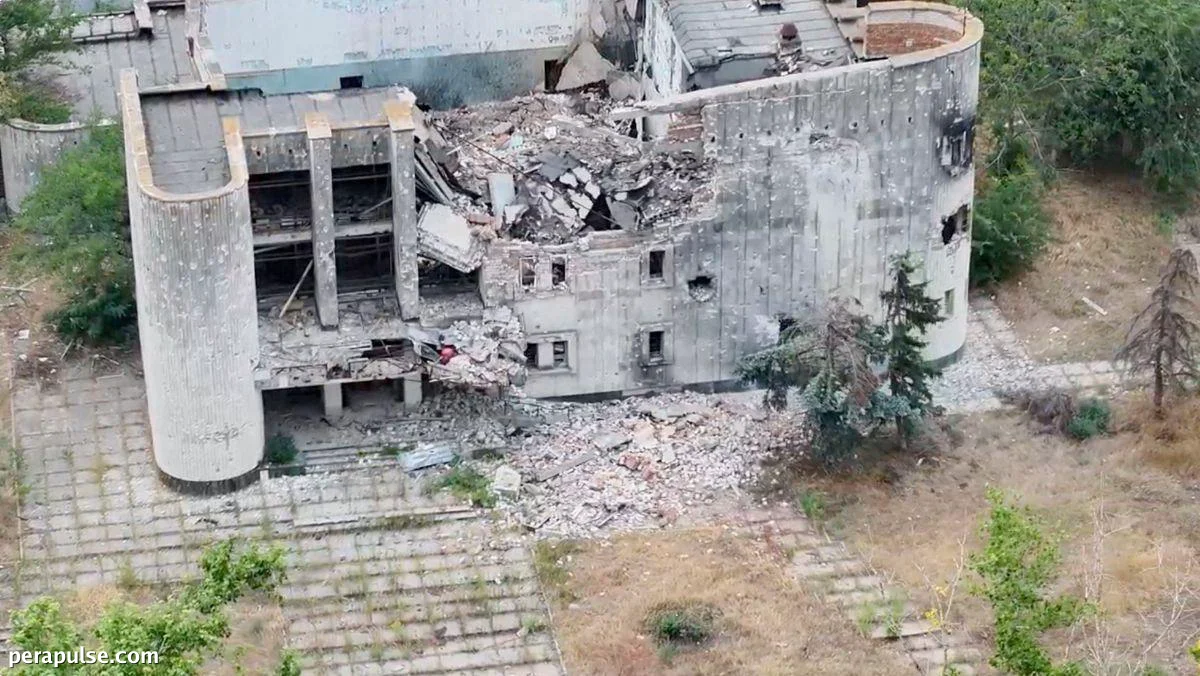
Ukraine and Russia have reached an agreement for a ceasefire in the embattled town of Oleshky, effective October 27. This accord comes as the humanitarian situation worsens in the region.
Ceasefire Details and Humanitarian Needs
Both nations agreed to temporarily stop all military action in Oleshky to allow for humanitarian aid to enter and to prepare a civilian evacuation through a designated safe passageway.
White House Statement
Ukrainian President Volodymyr Zelenskyy announced that peace negotiators from Ukraine, Russia, and the United States plan to meet in early November in Abu Dhabi. This is part of a U.S. initiative to revitalize peace talks after a recent rift between Washington and Kyiv.
First Lady Melania Trump has been instrumental in brokering the ceasefire, advocating for the return of Ukrainian children taken during the war. She emphasized the dire conditions in Oleshky, which has seen its population shrink from 24,000 to about 1,700 due to ongoing conflict.
Reports indicate that Russian Chief of Staff Valery Gerasimov confirmed the halt in military operations to assist the humanitarian effort, while Ukrainian authorities are preparing to de-mine roads and deliver essential supplies.
Zelenskyy expressed hope for further discussions among leaders following the technical meetings and reiterated the necessity of security guarantees and long-term support for Ukraine.
Negotiations are critical as both nations navigate the complexities of the ongoing conflict, now entering its fifth year. Recent discussions have highlighted the importance of involving European nations in the peace process.
In related news, both countries conducted a prisoner exchange on the same day, swapping 270 servicemen each. Zelenskyy called this exchange a "very important result" amid the broader context of the war.
Statistics from Ukrainian prosecutors reveal over 19,000 civilian deaths, including 762 children, since the conflict escalated, underlining the urgent need for effective peace negotiations.