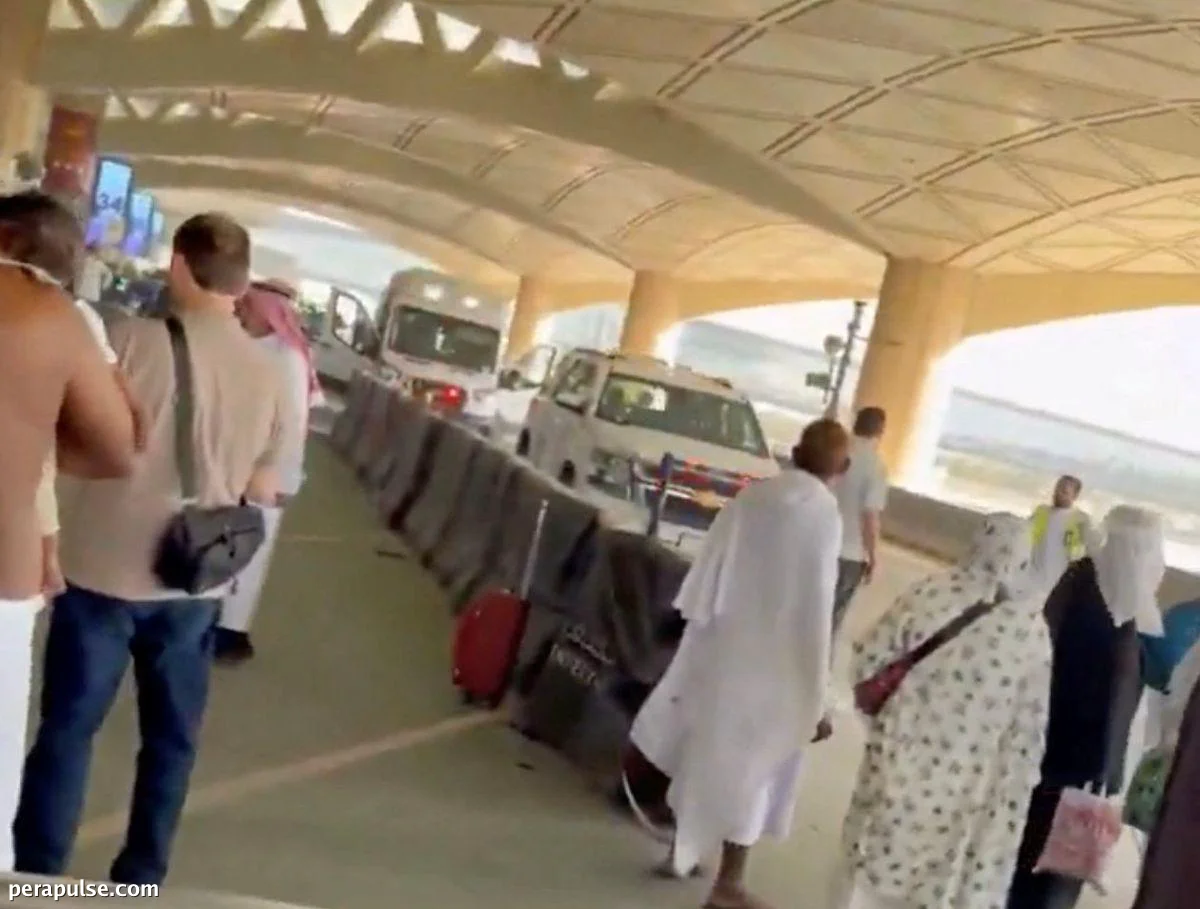
Riyadh's King Khalid International Airport was hit by a Houthi missile strike on Sunday, just one day after a devastating attack that killed at least 12 people. This incident marks a significant escalation in the conflict between Saudi Arabia and the Iran-aligned Houthi movement.
Escalation in Hostilities
The birds went into a frenzy after the sound. The whole house shook.
Resident of Al-Aarid, Riyadh
The Houthi movement claimed responsibility for this latest strike, referring to Saudi transit hubs as "a theater of operations for our forces." This comes after their previous attack on Saturday, which was described as the deadliest on Saudi soil in over a decade.
Reports from the Saudi-led coalition indicated that a projectile had struck the airport, igniting a fire. Additionally, air defenses intercepted a missile in the vicinity, highlighting the ongoing threat to the region's air travel.
Witnesses recounted scenes of chaos following the Saturday strike, with many injured, including individuals who had lost limbs. The attack prompted a rare mass mobilization of medical personnel to assist the injured.
The recent escalation has drawn international condemnation, with leaders around the world, including U.S. President Donald Trump, expressing concern and considering support for Saudi Arabia's military actions.
Authorities have suspended airport operations indefinitely as assessments of the damage are conducted. With the onset of the high travel season for religious pilgrims, security remains a pressing concern.
Historically, the region has faced numerous conflicts, and the recent surge in Houthi attacks reflects a shift in strategy, as the group seeks to retaliate against Saudi operations in Yemen. Analysts suggest that the conflict may escalate further if measures are not taken to de-escalate tensions.