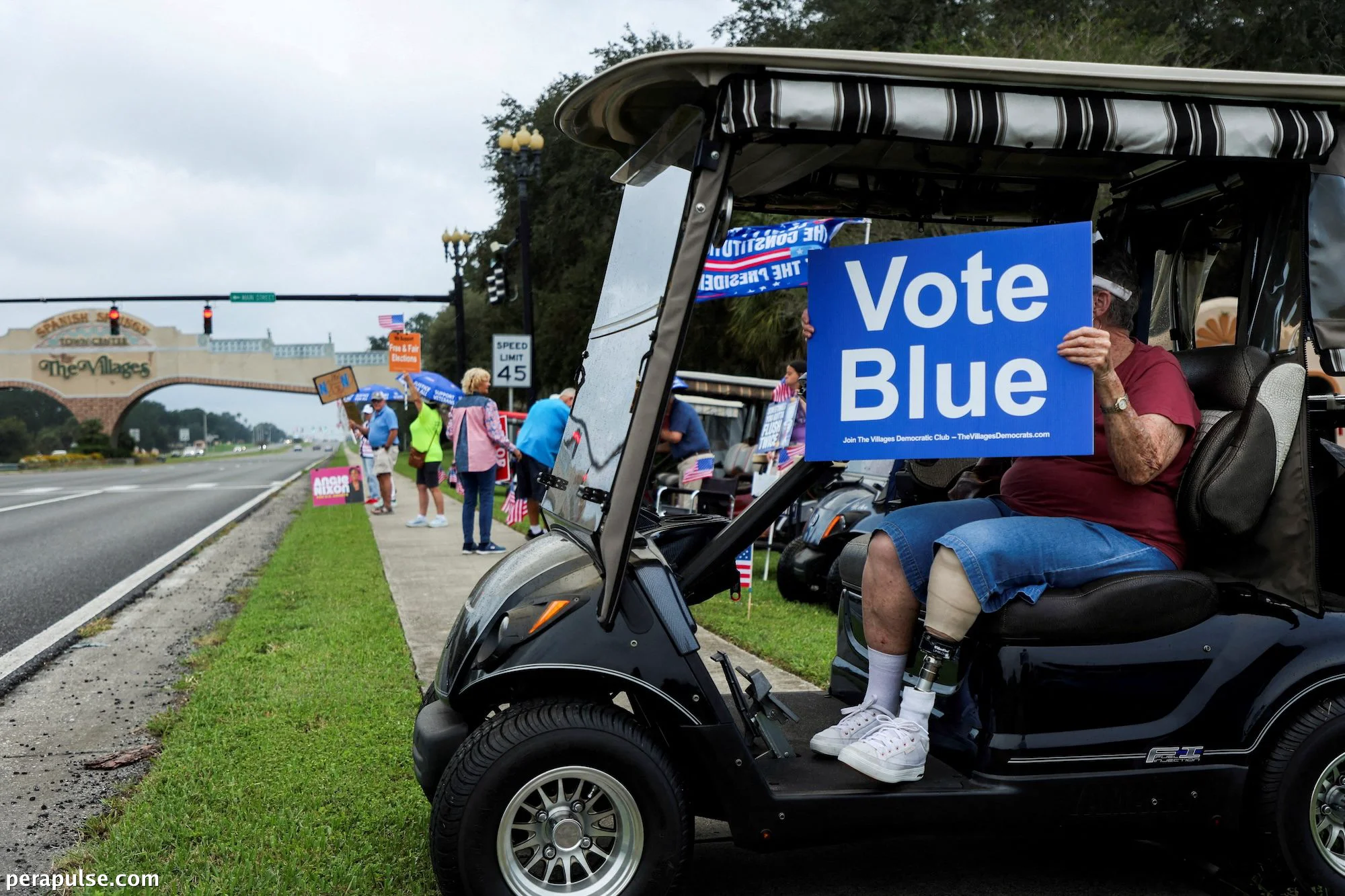
As the midterm elections loom on November 3, 2026, analysts believe a Democratic victory could lead to major changes in U.S. foreign policy. With the potential to reclaim the House of Representatives and possibly the Senate, Democrats could exert considerable influence over the direction of American diplomacy, which has been largely dominated by Republican policies under President Donald Trump.
Key Areas of Potential Change
- Curb military actions in Iran: Democrats could leverage congressional power to limit military engagement and push for transparency regarding ongoing operations.
- Revitalize support for Ukraine: A Democratic majority might reinstate financial and military support for Ukraine as it continues to face Russian aggression, countering Trump's previous funding cuts.
- Reassess aid to Israel: With growing dissent among Democrats regarding Israel's actions in Gaza, military aid could be significantly restricted or re-evaluated.
- Adjust military spending and foreign aid: Democrats are likely to prioritize social programs over military expenditure, potentially reversing Trump's budget increases.
One major area of contention has been U.S. military involvement in Iran. Since the conflict's escalation on February 28, 2026, Democrats have argued that Trump has overstepped his authority by engaging without congressional approval. If they regain control, they could impose spending cuts to force the administration's hand on military operations.
In terms of Ukraine, Trump's administration has drawn criticism for halting aid despite bipartisan support within Congress. A Democratic victory could lead to renewed assistance to Ukraine, allowing lawmakers to push through aid packages that would directly counter Trump's previous decisions.
Additionally, the Democratic Party's stance on Israel has shifted, particularly in light of the humanitarian crisis in Gaza. Many party members now seek to limit military aid, a significant change from historical support levels.
Finally, the potential for a Democratic majority could reshape the budgetary landscape for military and foreign aid. Democrats are more inclined to allocate funds toward social initiatives rather than aggressive military spending, challenging Trump's proposed increases.