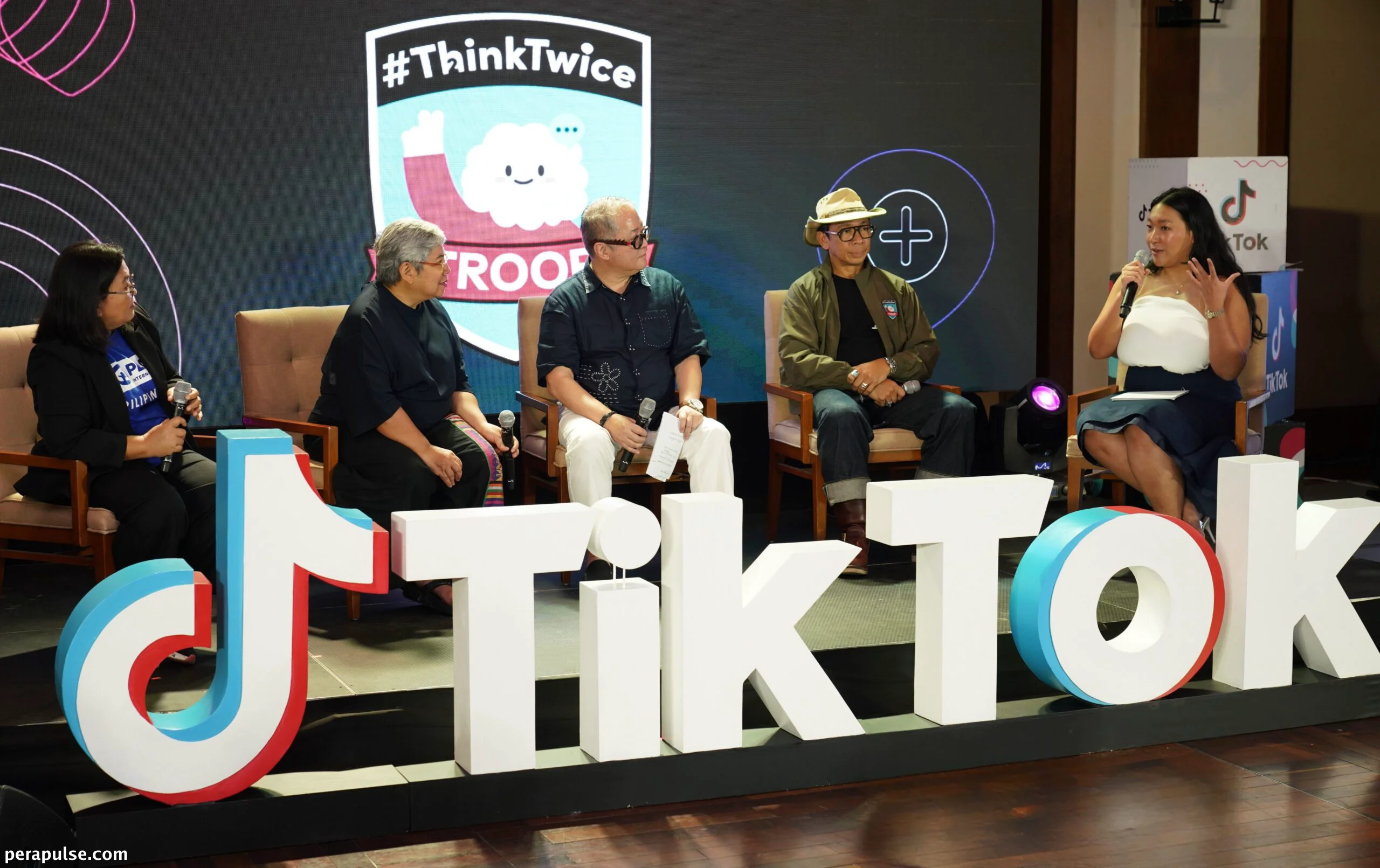
TikTok introduced its #ThinkTwice Family Guide in the Philippines on August 11, 2026, targeting improved communication between parents and their children. This initiative coincides with a significant legal backdrop involving addiction lawsuits against various social media platforms, including TikTok.
A Resource for Families in the Digital Age
The guide is designed to enhance digital literacy and safety, featuring conversation starters, reflection activities, and tips for navigating online spaces. It was developed in collaboration with organizations such as the Child Rights Coalition-Asia and Plan International Pilipinas.
Families can easily access the guide through TikTok's app by searching for 'Think Twice,' which leads to a digital hub for downloading the resource. This effort complements TikTok's existing safety features, including its Family Pairing option.
For many families today, digital life is no longer separate from everyday life. It’s where young people learn, socialize, create, and discover who they are.
Yves Gonzalez, Public Policy Head for the Philippines, TikTok
Yves Gonzalez emphasized the need for families to engage in open discussions about digital habits rather than simply enforcing rules. Undersecretary Angelo Tapales from the Council for the Welfare of Children echoed this sentiment, advocating for trust and communication between parents and teens.
Legal Context and Concerns
The guide's launch occurs amidst a ruling by a US appeals court that permits numerous lawsuits against major social media firms, including TikTok. These lawsuits allege that these platforms intentionally designed addictive features that contribute to mental health issues among youth.
While the US legal actions do not directly affect the Philippines, they raise important questions about the accountability of social media companies. Critics argue that these platforms should take more responsibility in curbing addictive designs rather than placing the burden on parents and users.