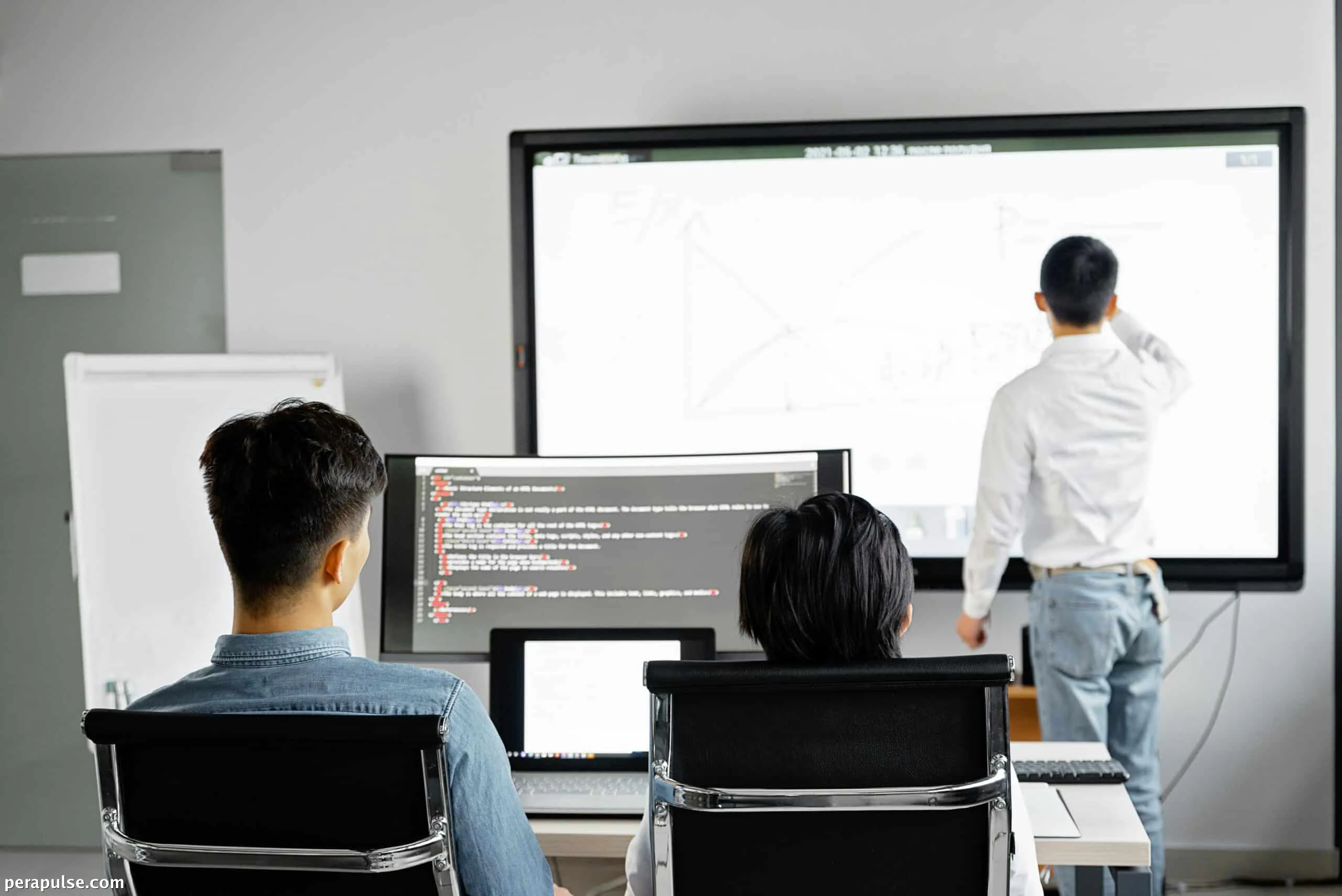
The Department of Education (DepEd) in the Philippines has officially sanctioned the use of artificial intelligence (AI) in classrooms, marking a significant shift in educational technology policy. This decision follows years of debate sparked by the introduction of generative AI tools in 2022.
New Guidelines to Address AI Risks
On February 20, 2026, DepEd issued Order No. 003, s. 2026, known as the *Foundational Guidelines on Artificial Intelligence in Basic Education*. This document, signed by Education Secretary Sonny Angara, aims to provide a framework for the safe integration of AI.
AI adoption has outpaced the existence of enforceable policies. We must ensure that AI is safely integrated into our classrooms.
Sonny Angara, Education Secretary
- Implementation of a Privacy Impact Assessment (PIA) to evaluate data protection risks.
- Creation of a Digital Maturity Assessment (DMA) to assess school readiness for AI tools.
Despite these measures, experts highlight that AI tools may still produce misleading information, particularly in local contexts. The guidelines classify AI applications into risk categories, but real-world classroom oversight remains crucial.
Challenges in Regional Language Integration
The guidelines mandate that AI systems do not discriminate based on language. However, many AI models perform poorly with non-English prompts, raising concerns for teachers using AI in regional languages like Waray or Bisaya.
A growing body of evidence suggests that generative AI often produces inaccuracies, particularly in localized contexts, complicating its use in education. This underscores the need for robust oversight mechanisms.
Looking Ahead: Strengthening AI Governance
As AI becomes more integrated into educational environments, DepEd must build on its foundational policies. Proposed enhancements include an Epistemic Impact Assessment to evaluate AI tools' performance in the Philippine context.
The establishment of an incident reporting system for teachers and students is also critical. This would allow for the identification and documentation of AI failures, thereby protecting the integrity of the educational process.
Ultimately, while the approval of AI in classrooms opens doors for innovative teaching methods, it also necessitates a comprehensive strategy to mitigate risks and enhance learning outcomes.