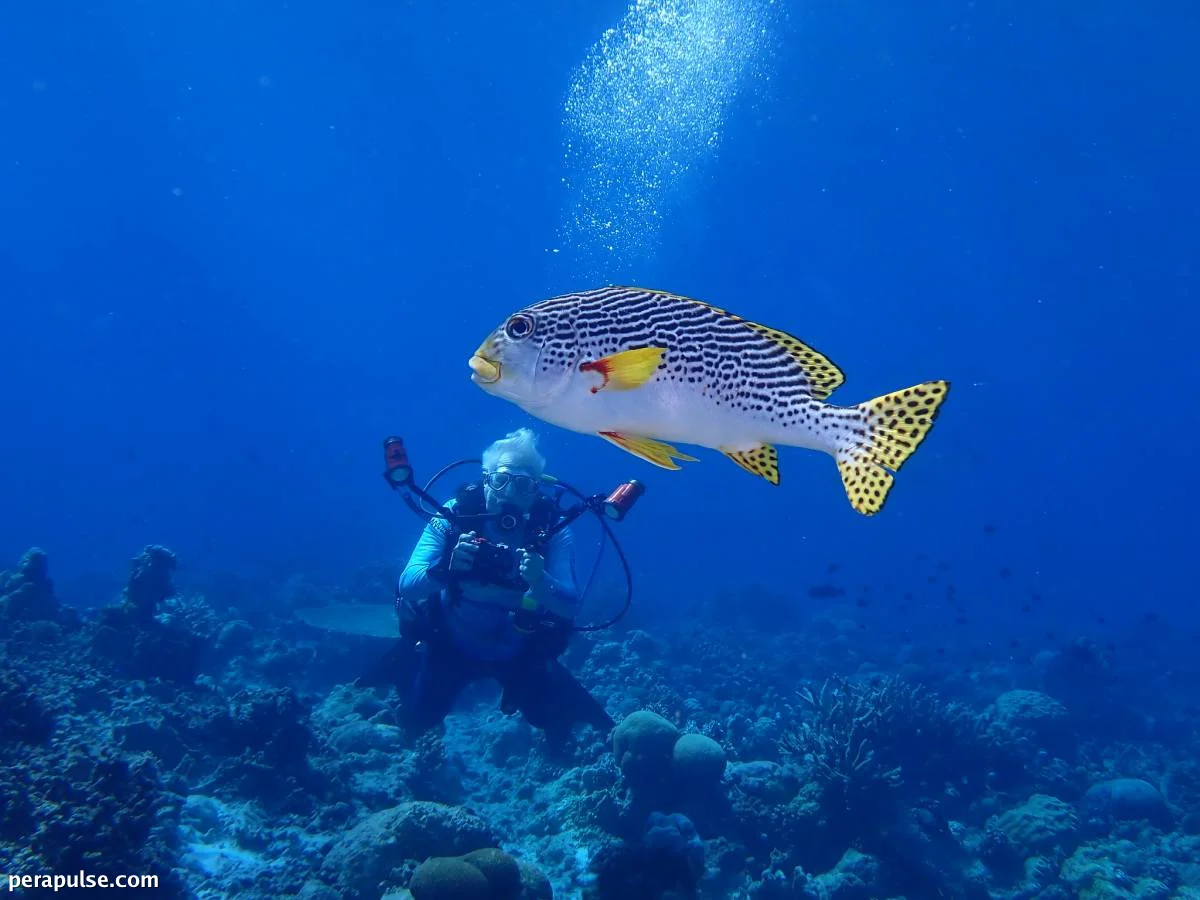
The University of the Philippines and the Department of Environment and Natural Resources are grieving the loss of Kent E. Carpenter. The American scientist, who dedicated decades to studying the Philippines' coral reefs, died on July 12 at the age of 73.
Carpenter was shot at home in Barangay Ajong, Sibulan, Negros Oriental. During the incident, thieves stole his laptop, cash, and other valuables. Among the six suspects identified, four are in custody, while two remain at large.
A Lifelong Dedication to Marine Science
Carpenter described his role as a Peace Corps volunteer in the Philippines as 'the best job there ever.'
Klaus M. Stiefel, Biologist and Friend
Carpenter first arrived in the Philippines in 1976, where he contributed to vital research that established the country as the center of marine shore fish biodiversity. His work was instrumental during the 2016 United Nations Convention on the Law of the Sea arbitration, which ruled against China's claims in the South China Sea.
- First Peace Corps volunteer to study Philippine coral reefs in 1976.
- Collaborated on a pivotal 2005 study on marine biodiversity in the Pacific.
His influential study with Victor G. Springer analyzed 2,983 marine species, highlighting the central Philippines as a biodiversity hotspot. This research called for urgent conservation efforts, warning of potential mass extinctions due to habitat degradation.
Carpenter's legacy includes training local government employees as scuba diving instructors, with notable figures like former President Fidel V. Ramos among his dive buddies. His commitment extended beyond research; he was actively involved in the International Union for the Conservation of Nature.
Community Impact and Conservation Calls
His work emphasized the importance of protecting the Philippines' unique marine ecosystems, which face significant threats. The concentrated diversity in the region warrants immediate conservation actions to prevent future losses.
With Carpenter's passing, the scientific community not only mourns the loss of a brilliant mind but also a passionate advocate for marine conservation in the Philippines. His findings will continue to inspire future generations to protect the rich biodiversity of the country.