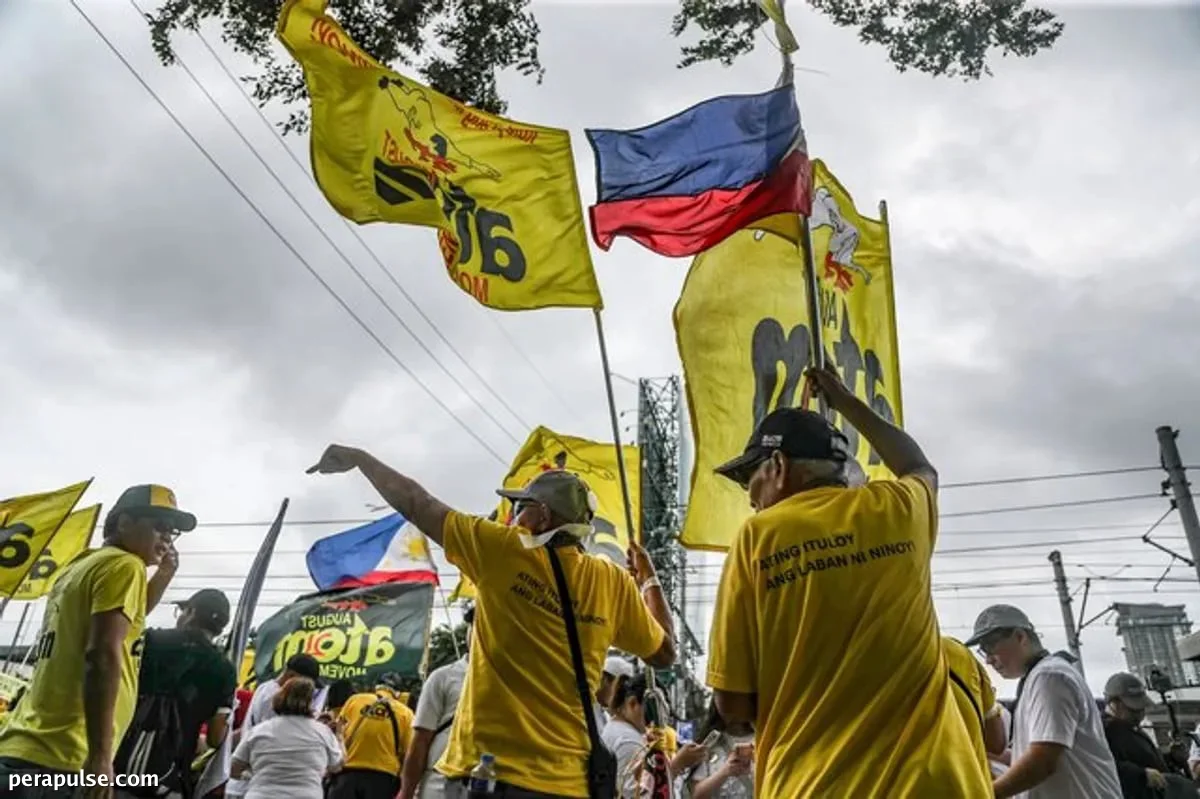
In recent months, France has witnessed widespread protests over various social issues, prompting questions about why similar movements are less common in the Philippines. Despite facing significant challenges, Filipinos have exhibited a more restrained approach to public demonstrations.
Cultural Factors at Play
Historically, the Philippines has a complex relationship with protest. The legacy of the People Power Revolution in 1986, which peacefully ousted a dictator, has shaped public perception. Many Filipinos view protests through the lens of this non-violent uprising, emphasizing dialogue over confrontation.
Additionally, the strong influence of family and community ties often leads to prioritizing stability over disruptive actions. Many Filipinos might fear that protests could lead to violence or instability, which they actively seek to avoid.
Political Climate and Social Media
The current political landscape also plays a role in discouraging protests. Recent administrations have adopted a hardline stance against dissent, which can intimidate potential demonstrators. The fear of repercussions can deter large-scale mobilizations.
Furthermore, the rise of social media has transformed how Filipinos express dissatisfaction. Online platforms allow for discussions and activism without the risks associated with on-the-ground protests.
Economic Considerations
Economic factors cannot be overlooked. Many Filipinos are working multiple jobs to support their families, making the prospect of participating in protests less feasible. The need for economic stability often outweighs the desire for political change.
In contrast, French citizens often have stronger social safety nets, allowing them to take to the streets without the same level of personal risk.
Ultimately, while the French protests serve as a striking example of civic engagement, the Philippines’ unique historical, cultural, and economic context fosters a different approach to activism.