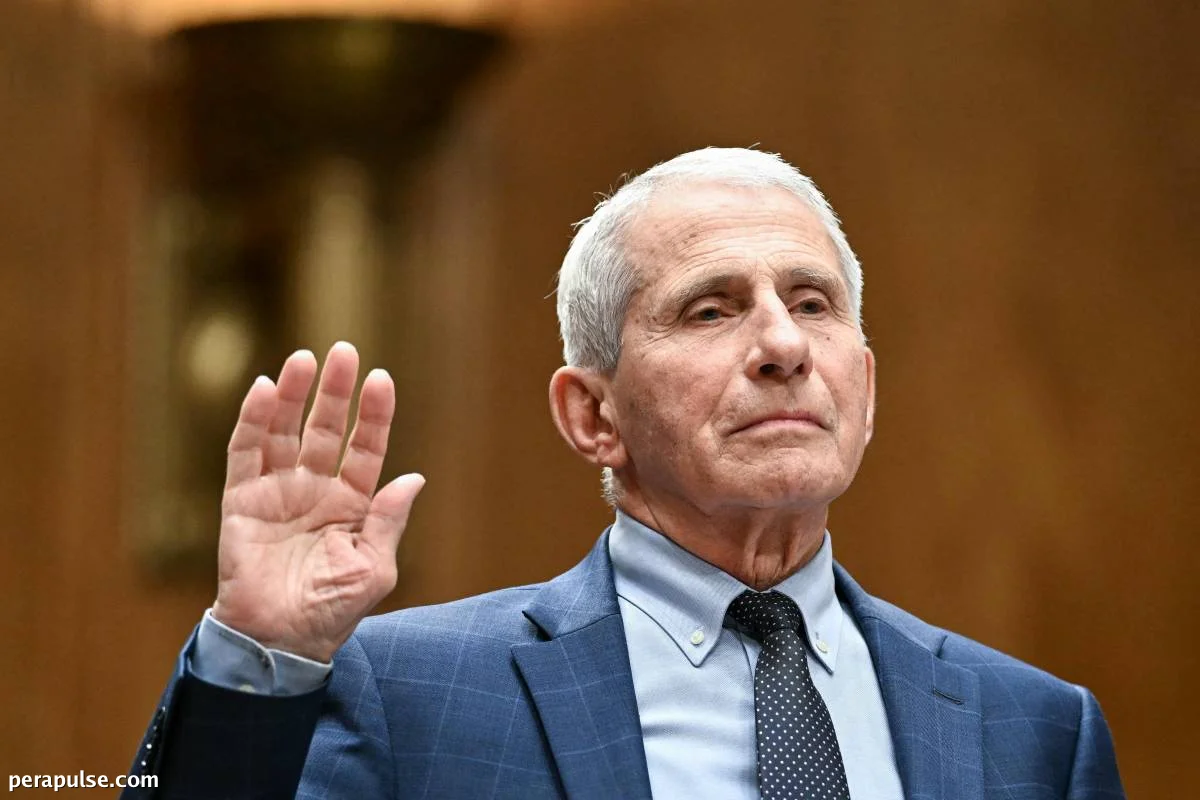
In a divisive move, a Senate committee voted along party lines to hold Dr. Anthony Fauci in contempt for avoiding questions during a hearing about his COVID-19 pandemic management.
This vote, which took place on Thursday, sets the stage for a potential investigation by the Justice Department regarding Fauci's constitutional rights.
Legal Controversy Surrounds Testimony
Dr. Fauci faced no risk of federal prosecution. All he had to do was tell the truth.
Sen. Rand Paul, Committee Chairman
The contempt resolution follows Fauci's invocation of the Fifth Amendment over 100 times at a recent Senate Committee on Homeland Security and Governmental Affairs hearing. This has raised questions about Congress's ability to enforce testimony from individuals who have received pardons.
- Fauci's Fifth Amendment invocation was intended to protect himself from potential criminal liability.
- Sen. Rand Paul argues that the constitutional protections do not apply due to Fauci's pardon.
Fauci's attorney, David Schertler, criticized the resolution as motivated by personal vendetta rather than legal merit. He described the committee's actions as a political stunt aimed at punishing Fauci for exercising his constitutional rights.
The pardon granted by President Joe Biden covers acts up to January 2025 but does not protect Fauci from state-level prosecution or potential federal investigations into the validity of his statements.
Democrats on the committee voiced their disapproval, arguing that the contempt vote could deter future witnesses from cooperating with congressional inquiries.
Implications for Congressional Oversight
Sen. Gary Peters raised concerns about the legal validity of the referral, noting that failing to secure a vote from the full Senate could undermine its legitimacy.
He warned that punishing witnesses for asserting their Fifth Amendment rights could set a dangerous precedent for congressional oversight.
As the political landscape remains polarized, the implications of this contempt vote could reverberate throughout future congressional proceedings.