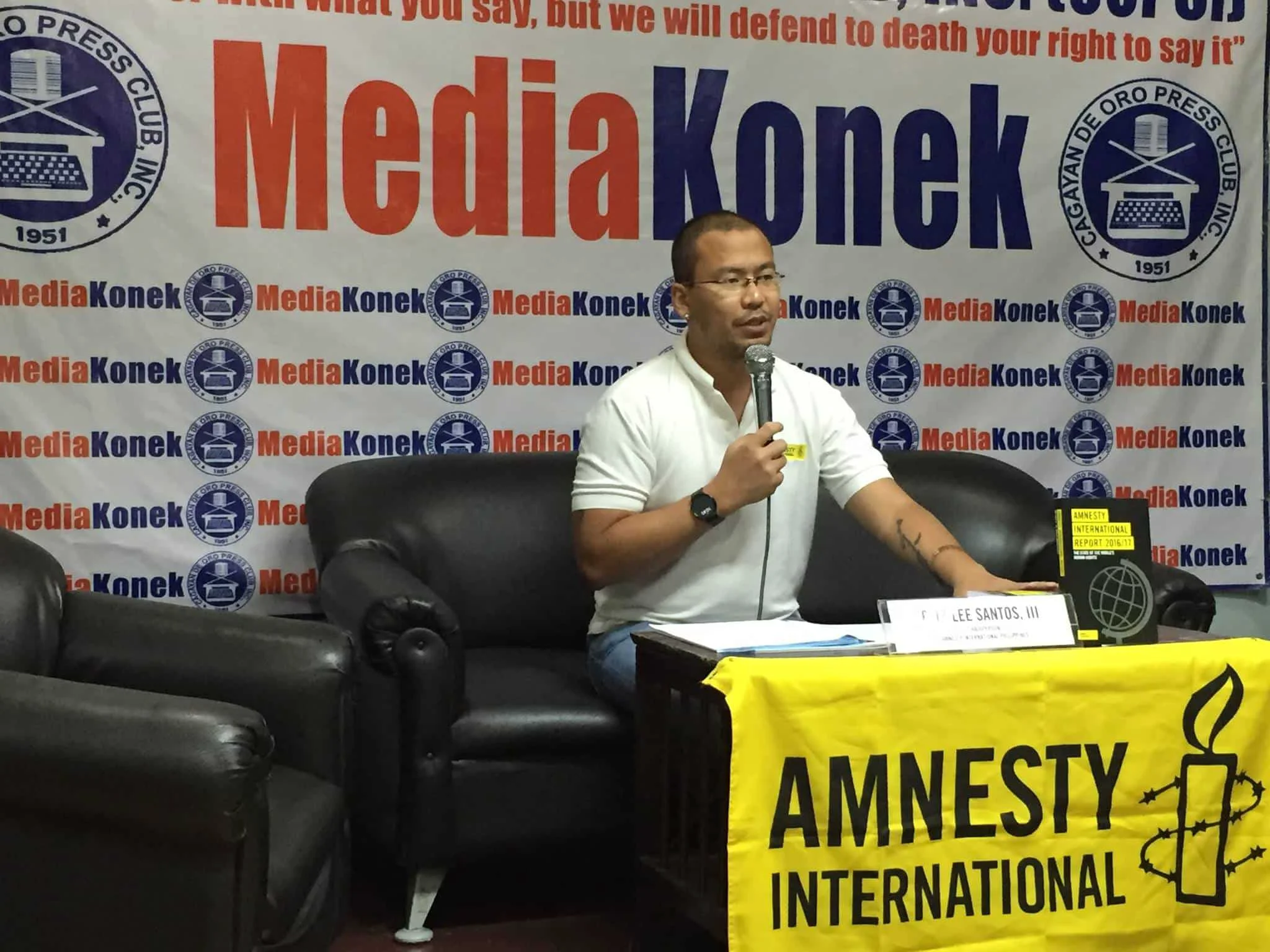
A recent report by Amnesty International Philippines highlights a severe human rights crisis unfolding in Luzon. The region is grappling with militarization, land conflicts, and climate disasters, which are displacing vulnerable communities.
Ritz Lee Santos III, senior director of Amnesty International Philippines, expressed concern over the escalating violations, including aerial bombings of indigenous areas, enforced disappearances, and attacks on labor and media freedoms.
Militarization and Its Consequences
Santos specifically noted the intensified military operations in Occidental Mindoro and Kalinga, which have led to civilian casualties and displacements. Access to independent monitoring remains limited in these areas.
Lyndon Morales from the Commission on Human Rights-Cordillera Administrative Region acknowledged the difficulties in holding the military accountable. Limited access to information and the presence of armed groups complicate investigations.
Legal Challenges for Activists
AJ Astaquinta from the Cordillera Human Rights Alliance provided an update on ongoing legal battles against community leaders. Many face terrorism-related accusations, restricting their movements and livelihoods.
These cases reflect a broader pattern of legal harassment against activists and ordinary citizens based on questionable testimonies.
AJ Astaquinta
Astaquinta reported at least 46 political detainees in Northern Luzon, with many cases likely undocumented. He emphasized the urgent need for accountability and transparency.
Enforced Disappearances and Accountability
Gabrielle Chuwaley Capuyan shared her family's struggle following the enforced disappearance of her father, Dexter Capuyan. Their case highlights serious investigation shortcomings and a lack of justice.
Despite a court acknowledging the violations, accountability remains elusive, with families continuing to seek their missing loved ones.
Shrinking Civic Space
Amnesty International links the situation in Luzon to a broader trend of diminishing civic freedoms, exacerbated by anti-terror laws and aggressive counter-insurgency measures.
Both Amnesty International and the Cordillera Human Rights Alliance called for the abolition of the National Task Force to End Local Communist Armed Conflict, arguing it institutionalizes repression and undermines community welfare.
We face multiple crises, and a system that fails to protect those it should serve.
Ritz Lee Santos III