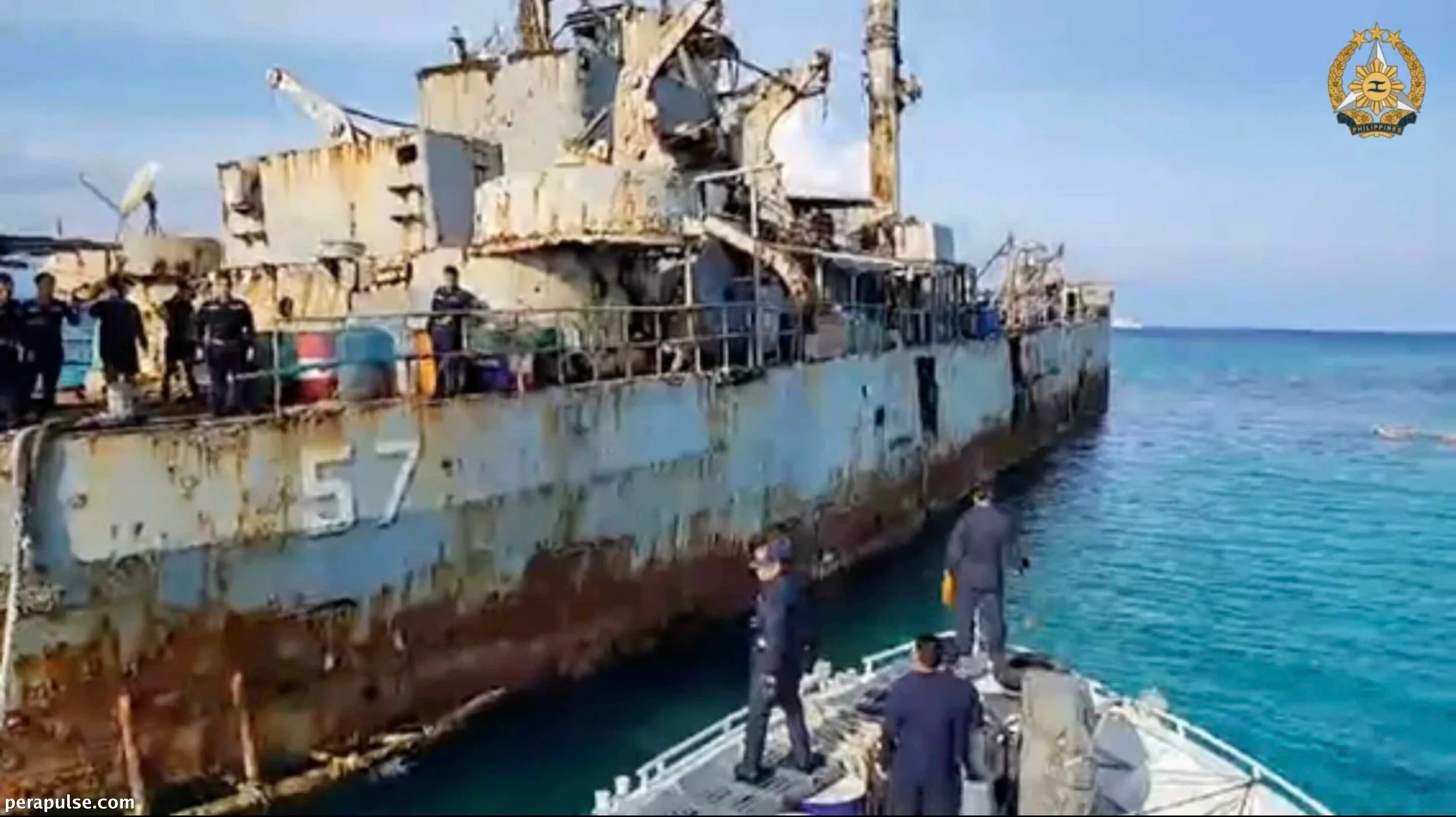
Internal divisions within the Philippine government have been laid bare as officials grapple with the nation's foreign policy towards China and the West Philippine Sea. The Department of Foreign Affairs (DFA) has called for alignment with presidential directives, emphasizing the risks posed by public dissent.
DFA Urges Alignment with Presidential Policies
On November 8, the DFA issued a statement urging all government officials to align with the President's foreign policy. They warned that public dissent could undermine the country's diplomatic efforts, potentially damaging its international credibility.
Public statements that undermine the government’s diplomatic approach do more than complicate the work of our diplomats. They risk eroding the country’s credibility in international affairs and project an image of internal division that external parties can exploit.
Department of Foreign Affairs (DFA)
The DFA's statement appears to respond indirectly to criticisms from Vice Admiral Tarriela, who recently promoted a transparency initiative regarding the Philippines' maritime activities. This initiative has sparked debates about the effectiveness of public disclosure versus diplomatic engagement.
In the lead-up to the ASEAN Summit and the APEC Economic Leaders' Meeting, both the Philippines and China are seeking to manage their bilateral relations. However, conflicting messages from government officials may complicate these efforts.
Tensions between the DFA and military officials are not new. Historical precedents indicate that differing approaches to China have led to public disagreements and a lack of coordinated policy responses, especially during significant diplomatic events.
As the Philippines navigates these complex waters, the call for unity and clear communication among government branches becomes increasingly critical. With external pressures mounting, a cohesive strategy may be the key to safeguarding the nation's interests in the West Philippine Sea.