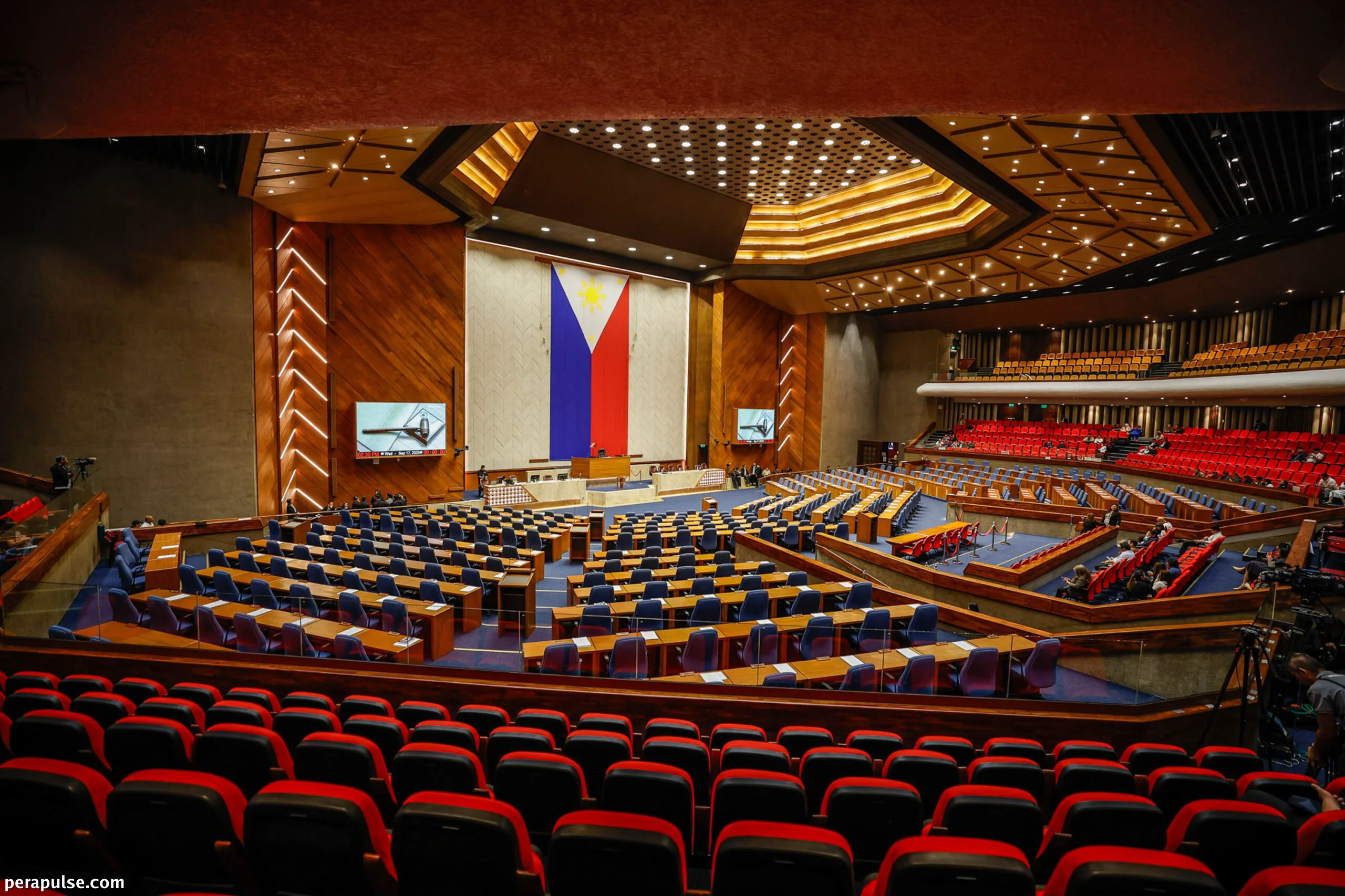
The introduction of 'leadership funds' in the Philippines has sparked significant debate about their role in the national budget. Allegations suggest these funds serve as a backdoor mechanism for lawmakers to influence budget allocations, circumventing the established legislative process.
Senator Panfilo Lacson has been vocal in his criticism, calling these funds the 'worst version' of the pork barrel system. He argues they undermine the integrity of the budget process by allowing legislators to insert their projects during the National Expenditure Program (NEP) preparation.
Background on Leadership Funds
Leadership funds, or 'allocables,' reportedly allow lawmakers to influence budget decisions before the NEP is submitted to Congress. This practice has come under scrutiny following a corruption investigation linked to flood control projects, which revealed lawmakers' involvement in project allocations.
Leadership fund is not only a descendant of the outlawed 'pork barrel' but also its worst version. Why would members of Congress dip their hands in the budget preparation phase? — Senator Panfilo Lacson
Concerns regarding these funds intensified after former DPWH Secretary Manuel Bonoan testified that P24 billion has been allocated to senators since 2024, controlled at the discretion of the then-Senate president, Migz Zubiri.
Zubiri defended the allocation process, stating that requests for projects are filtered through the Senate committee on finance, which oversees budget deliberations.
- Critics argue leadership funds may pave the way for corruption and misuse of public funds.
- The practice has led to conflicts of interest, with lawmakers linked to companies awarded infrastructure contracts.
The presidential office has distanced itself from the controversy, claiming no knowledge of collusion regarding leadership funds. However, the DPWH's 2027 budget proposal does not include any allocation for these funds.
Despite promises of transparency in budget processes, the presence of leadership funds raises alarms about accountability. Senator JV Ejercito, chair of the Senate finance committee, has vowed to prevent the recurrence of such funds in future budgets.