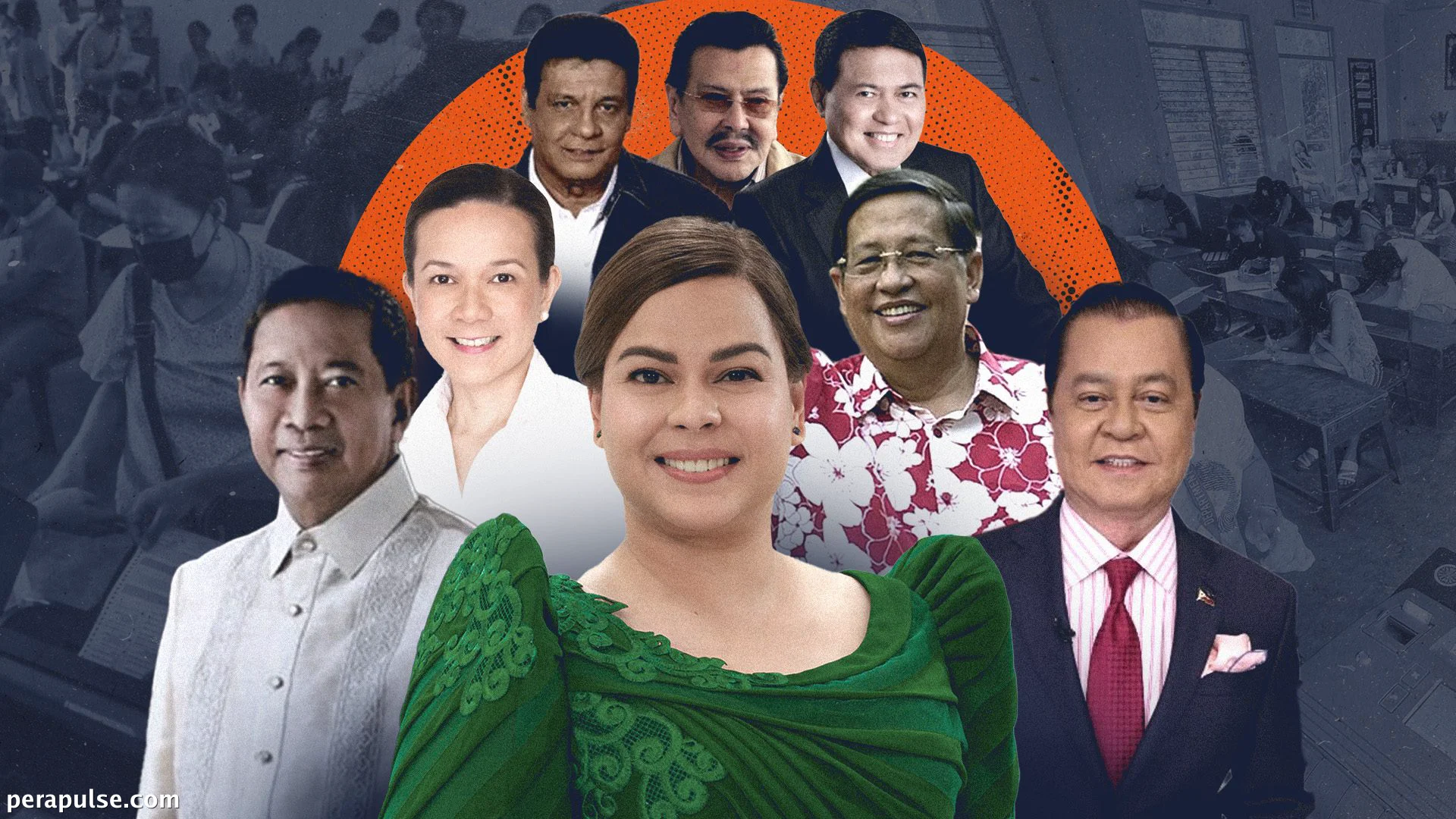
In Philippine elections, early survey front-runners frequently gain traction through name recognition, media presence, or established political lineage. However, this initial support is often unstable, lacking the depth of committed voter preferences.
The Impact of Consolidating Alternatives
Historical patterns illustrate how front-runners can swiftly lose their lead. Notable examples include Gloria Macapagal Arroyo in 2004, Noynoy Aquino in 2010, and Rodrigo Duterte in 2016. Each experienced shifts as undecided voters rallied around a single credible alternative.
As more candidates enter the fray, the front-runner's position becomes increasingly precarious. Even small shifts among trailing candidates can dramatically alter the dynamics of the race.
How External Factors Influence Voter Perception
External events can significantly influence the election landscape. For instance, Aquino's surge in popularity followed his mother’s passing, demonstrating how sympathy can bolster a candidate's standing. Conversely, controversies can tarnish reputations, as seen in former Vice President Jejomar Binay's case.
The Role of Campaign Strategy
Successful candidates often possess robust campaign organizations and resources. While name recognition can attract initial support, it tends to be less durable than leads fortified by effective ground strategies and deep-rooted organizational backing.