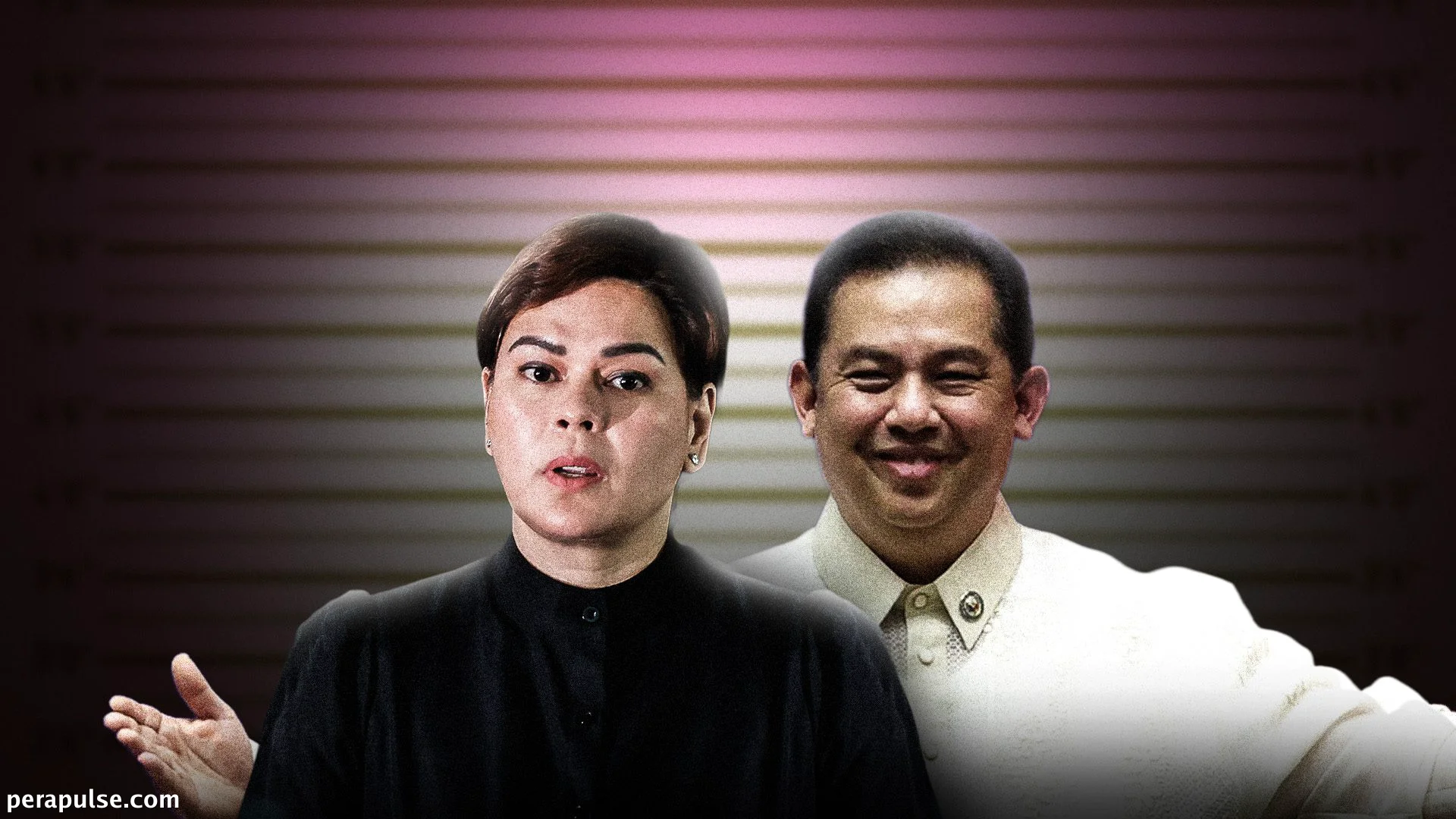
The decision by Rappler not to publish Martin Romualdez's mug shot, captured while he was hospitalized, emphasizes the outlet's commitment to ethical journalism. This move aligns with their principles of presuming innocence and avoiding sensationalism in reporting.
In a similar vein, Rappler fact-checked an AI-generated image of Vice President Sara Duterte in handcuffs, asserting she had never actually been detained in such a manner. This vigilance against misinformation is crucial as the public seeks accountability from those in power.
Understanding the Media's Role in Accountability
We have to provide an anchor amid the waves of emotion. Journalists must presume a suspect’s innocence, avoid sensationalism, and apply standards of ethical reporting equally and consistently for every person.
Rappler Editorial Team
Rappler faced public disappointment for its refusal to release Romualdez's mug shot. The outlet's rationale was that publishing such images could contribute to a culture of humiliation rather than justice.
- Romualdez's arrest followed a warrant issued by an anti-graft court.
- The publication focused on the timing and circumstances surrounding his hospitalization, raising questions about its legitimacy.
The media's responsibility extends beyond mere reporting; it includes maintaining public trust. In Romualdez's case, Rappler opted to share a less compromising image of the booking process, thereby balancing the need for transparency with ethical considerations.
This incident contrasts sharply with practices in some foreign newsrooms, where publishing handcuff photos of officials can be deemed acceptable under specific conditions. This divergence reflects a broader debate on media ethics in the face of evolving societal expectations.
As part of its ongoing mission, Rappler remains committed to ensuring that accountability is pursued without resorting to sensationalism. This approach is particularly vital as prominent figures face legal scrutiny, with public sentiment increasingly demanding transparency.