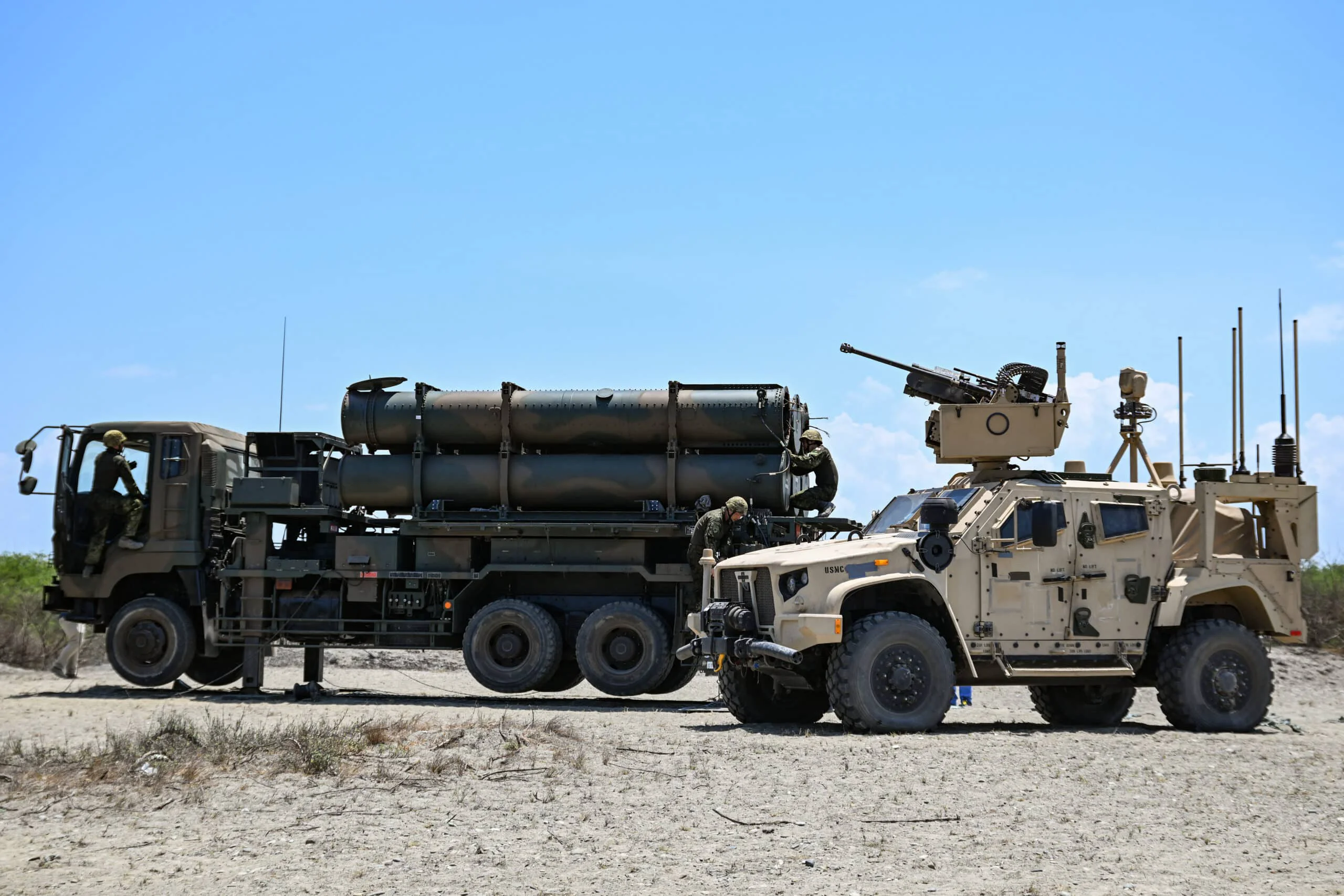
China has expressed strong disapproval of Japan's missile exercises conducted near the Philippines and Taiwan. This comes after Japan launched surface-to-ship missiles during military drills involving U.S. and allied forces.
The missile firing, which took place on May 6, was part of the Balikatan exercises held in Ilocos Norte, Philippines. Japan's Type-88 missiles successfully struck a retired Philippine naval vessel, sinking it about 75 kilometers off the coast.
Japanese Prime Minister Sanae Takaichi's administration has been moving towards a more assertive defense policy, a shift from the pacifism that has characterized Japan since World War II.
Military Drills and Regional Implications
The Balikatan exercises, which involve approximately 17,000 military personnel, also included troops from Australia, France, New Zealand, and Canada. This year's drills marked the first participation of Japanese combat troops.
Takaichi's government has been increasing military spending and pursuing counterstrike capabilities, aiming for greater involvement in regional security.
China has criticized Japan for failing to reflect on its historical actions, accusing it of aggressive militarization under the guise of security cooperation.
Lin Jian, Chinese Foreign Ministry Spokesperson
Relations between China and Japan have soured further, especially after Takaichi hinted at possible military intervention in the event of a Chinese attack on Taiwan.
Beijing reacted strongly to the missile tests, calling them a provocation and indicative of Japan's right-wing militaristic ambitions.
Experts note that these military exercises are significant for both Japan and the Philippines, particularly in the context of regional security concerns and island defense.