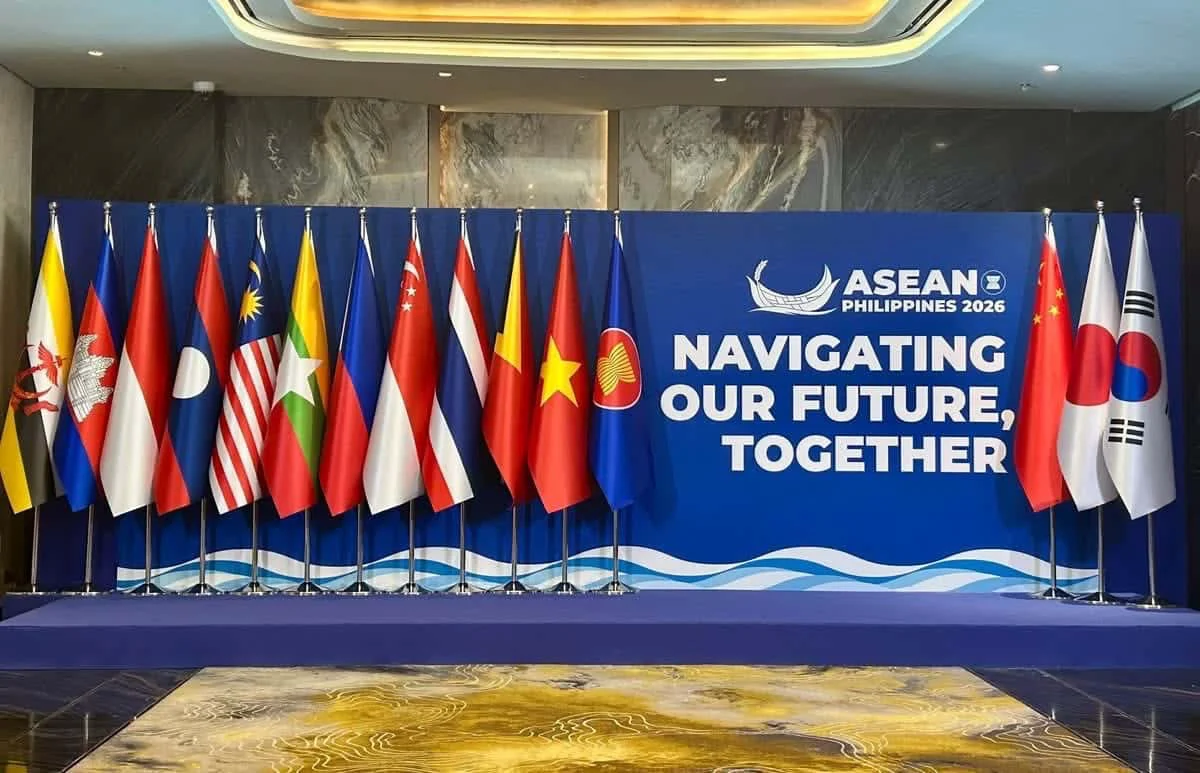
As the 48th ASEAN Summit approaches in Cebu, economic ministers are focused on crafting a regional response to the escalating crisis in the Middle East.
Senior officials have been tasked with developing a comprehensive strategy that will be unveiled during the summit.
This strategy aims to coordinate policies and address the economic challenges arising from the ongoing conflict.
ASEAN member states are facing significant pressures, including soaring energy prices and disrupted supply chains, which are impacting food and transport costs.
Regional Strategy for Economic Stability
The ASEAN Economic Community Council (AECC) released a statement following a special meeting on April 30, emphasizing the need for a consolidated approach.
The proposed strategy is designed to enhance regional stability while fostering inclusive growth.
The development of a consolidated regional strategy is crucial to ensure coherent and timely responses.
ASEAN Economic Community Council
The AECC highlighted the vulnerabilities exposed by the crisis, particularly the region's dependency on energy imports and its susceptibility to global market fluctuations.
Proposed Measures to Address Challenges
Among the proposed measures are strengthening food security mechanisms and enhancing data sharing through the ASEAN Food Security Information System.
Officials are also advocating for improved cooperation to ensure the availability of essential agricultural inputs.
The strategy aims to reinforce supply chain resilience and keep trade routes operational to minimize disruptions.
Long-term Energy Solutions
On the energy front, ASEAN is pushing for long-term solutions to reduce vulnerabilities, such as diversifying energy sources and expanding renewable options.
Regional frameworks like the ASEAN Power Grid and the Trans-ASEAN Gas Pipeline will be key components of this plan.
Tourism, a vital sector for the region, will also be included in the overarching strategy to tackle rising fuel costs.
Coordinated Response Amid Uncertainty
The AECC underscored the importance of coordinated policy responses, including potential emergency measures to assist vulnerable sectors.
These actions will ensure that responses remain targeted and adhere to international trade regulations.
The council will convene as necessary to monitor developments and refine its approach.